
Though she’s never left the screen, Spanish diva Carmen Maura—beloved internationally for her multiple collaborations with Pedro Almodóvar—is currently experiencing an inspiring career renaissance at 80 years old. Rather than being relegated to small supporting roles, as is often the case with performers in their twilight years, Maura has recently found directors who want her to be the main attraction in their eclectic projects.
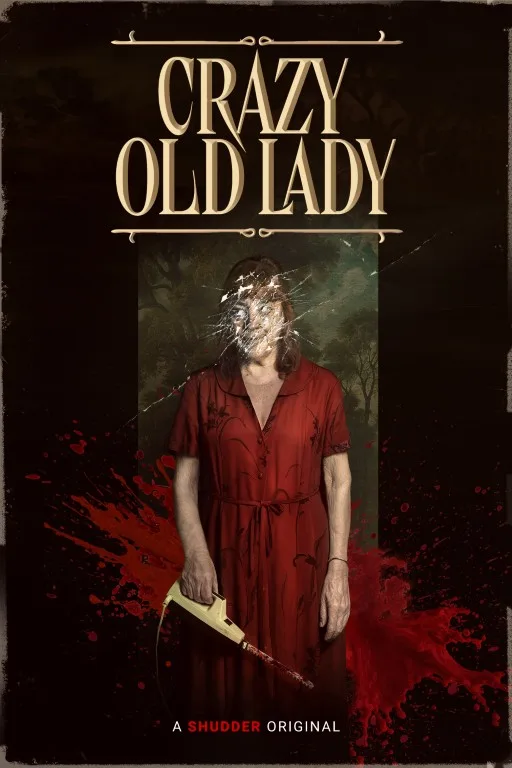
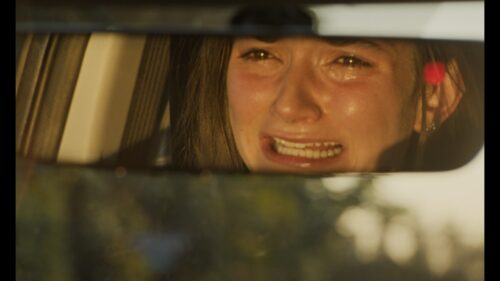
Earlier this month, the U.S. release of the Moroccan drama “Calle Malaga” saw her in a lead role as a woman trying to save her home. And now, in Argentine writer-director Martín Mauregui’s proficiently entertaining “Crazy Old Lady,” the legendary actress steps into the horror genre as a dangerous protagonist. Maura plays Alicia, who lives alone in a massive, but decrepit home with a nurse who tends to her. Alicia’s daughter, Laura (Agustina Liendo), worries about the matriarch’s cognitive state (Alicia’s memory is failing her). One particular night, while Laura and her young child Elena (Emma Cetrángolo) are on the road, several erratic calls from Alicia and the inability to reach the live-in caretaker alarm Laura.
In a fit of desperation, Laura asks her ex-husband Pedro (Daniel Hendler) to check up on Alicia and spend the night at her place to ensure she’s alright. But what should have been an uncomfortable evening of polite concern as a favor to a former romantic partner turns into a gruesome nightmare for Pedro. Mauregui turns the ills of old age into a minefield where long-dormant traumas can resurrect as the mind declines. Alicia seems to have regressed to a past life that her daughter ignored. She claims to have been married to a violent man named César, whose monstrous abuse left an indelible scar on her psyche.
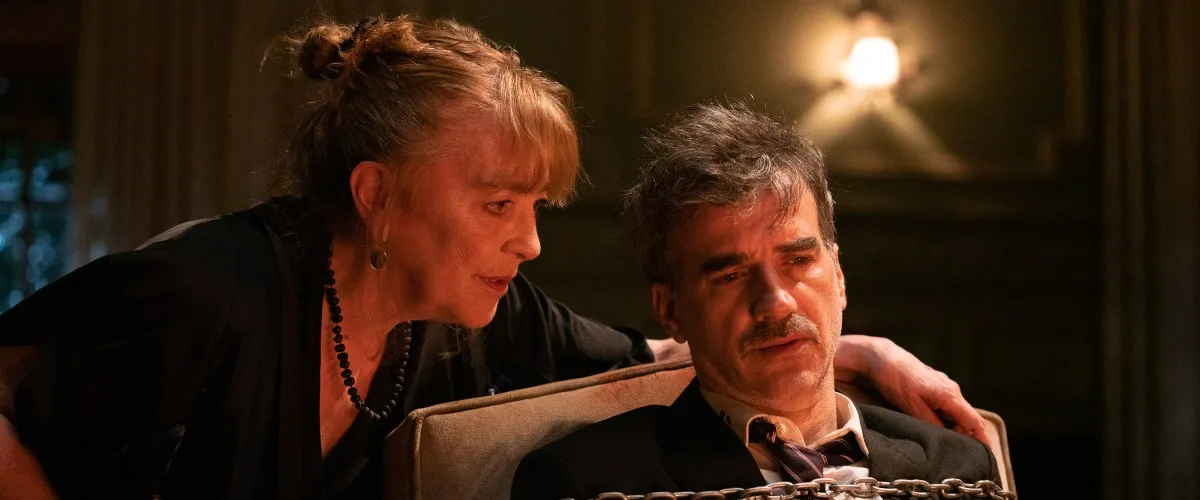
Pedro winds up chained to a couch and at the mercy of Alicia’s sadistic games. She wholeheartedly believes he’s César, and thirsts for retribution. Disproportionally intense music cues and exchanges that border on absurdity signal that Mauregui isn’t exactly after bone-chilling terror, but more of a darkly playful effect. Maura’s tonally fluid performance confirms the film’s lighter undercurrents.
Mauregui’s “Crazy Old Lady” is economical in scope. Most of the action unfolds in the living room, where Pedro is being held. The atmosphere comes from the torrential rain outside and the dim lighting in the ample space with limited furniture because Alicia is selling the home.
As Alicia, a deliciously venomous Maura taunts a panicked Pedro with increasing brutality. “Crazy Old Woman” allows Maura to mutate from the vulnerability of a woman grappling with long-suppressed trauma to the deranged glee of someone enjoying causing their victim pain. Even if some of the routes Mauregui chooses to take the plot down feel expected, the film is a devilish showcase for an actress who always invokes the right amount of rage, irony, or fragility. Because of Maura, Alicia’s tumultuous inner world comes alive with rich emotional texture, even as she chops off an appendage (or worse).
In turn, Hendler, the counterpart in this two-hander, knows that his default register must remain fearful throughout, with a few moments where his character tries to outsmart Alicia, playing into her warped psychology and going along with her resentful condemnations. Don’t hold your breath, however, for much time spent on Alicia’s relationship with Laura, or Laura and Pedro’s broken bond, or Elena’s concerns about the women in her family. The central drama here involves Alicia and the embodiment of someone who hurt her. A few more clues as to how Alicia became in the aftermath of that episode could benefit the script.
Believing Pedro is her ex-husband César, an unscrupulous figure responsible for a few deaths, allows Alicia to unleash her darkest instincts (a scene involving sexual violence shocks but doesn’t feel far-fetched, considering the dynamic in Alicia’s head). While a single dream sequence from the perspective of young Elena (who, unlike her mother, knew of César’s existence) provides an extra touch of creepiness, it isn’t an indispensable piece of insight. Mauregui, especially via the open-ended resolution, refrains from judging Alicia’s actions as evil. They stem from a reaction to what she endured, given that her brain is no longer entirely tethered to reality.
This suggests that in old age, any one of us could revert to a vindictive version of ourselves, obsessed with getting justice for whatever wound we thought healed but is still throbbing.