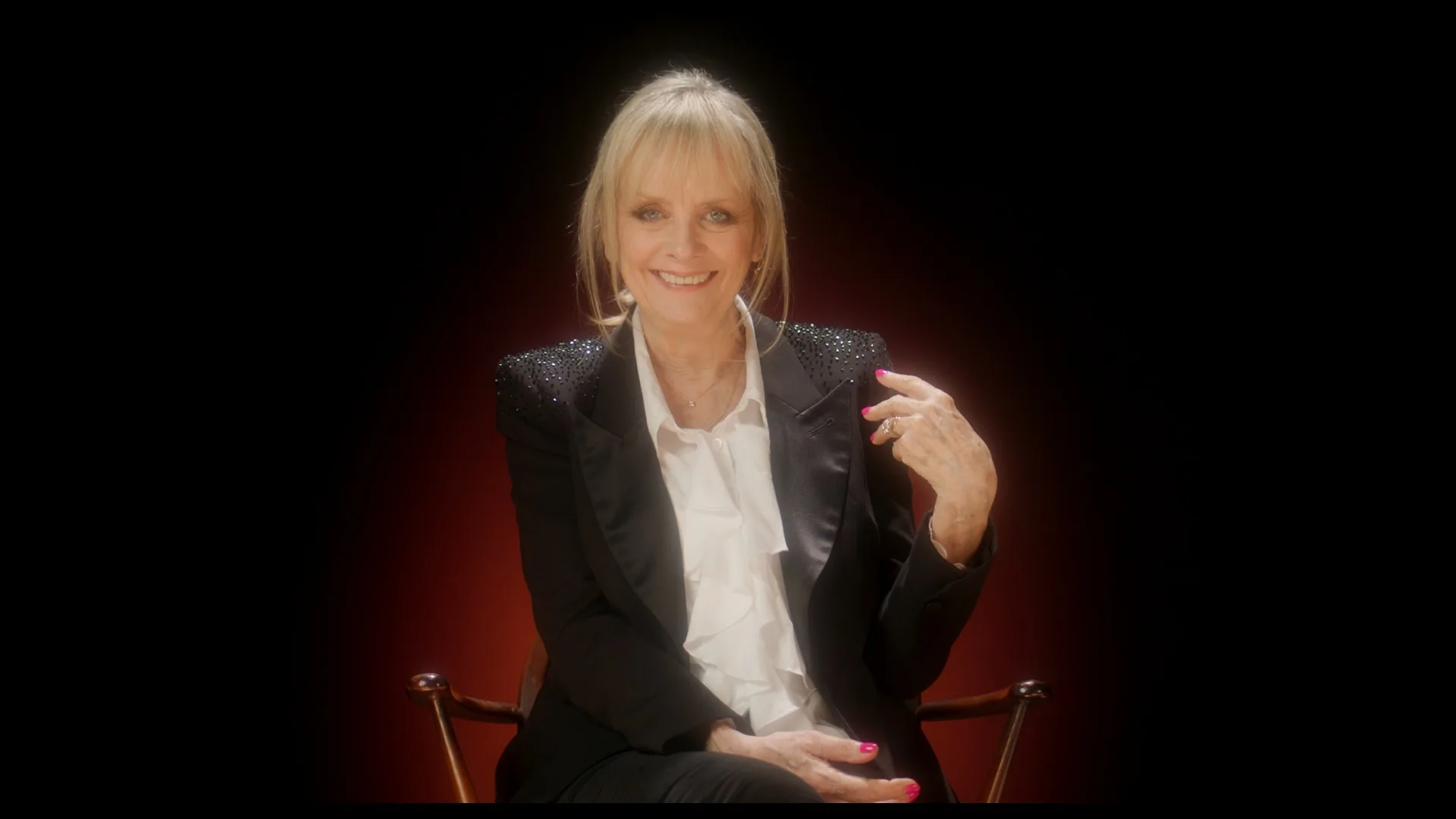
In 1966, photographer Barry Lategan scheduled a test shoot: a model’s first-ever photo shoot, meant to market her to other photographers and brands. That model was 15-year-old Leslie Hornby, a slim, boyish girl with a pixie cut and penciled lashes, and those photos became some of the most recognizable fashion portraits ever taken.
Deemed “The Face of ’66,” Leslie would gain fame under her nickname, Twiggy, a name that to this day recalls shift dresses, charm, and the blueprint for what we recall as the decade’s signature makeup look. And now, sixty years after the year she possessed, director Sadie Frost unpacks and outlines Twiggy’s legacy, spotlighting her humble beginnings, rapid rise to stardom, tribulations as a young woman finding her agency and power (including that viral “gotcha” moment with Woody Allen), and the stage and screen career that followed.
Frost’s documentary is comprehensive, surveying Twiggy’s meteoric living legacy not just from the source but from the variety of women, industry professionals, and collaborators who have mined value from her example. For those who may know her image but not her person, or those who believe her career is limited to fashion alone, “Twiggy” will be an enlightening portrait of an icon. Twiggy and Frost spoke to RogerEbert.com about these topics and more.
This interview has been edited for length and clarity.
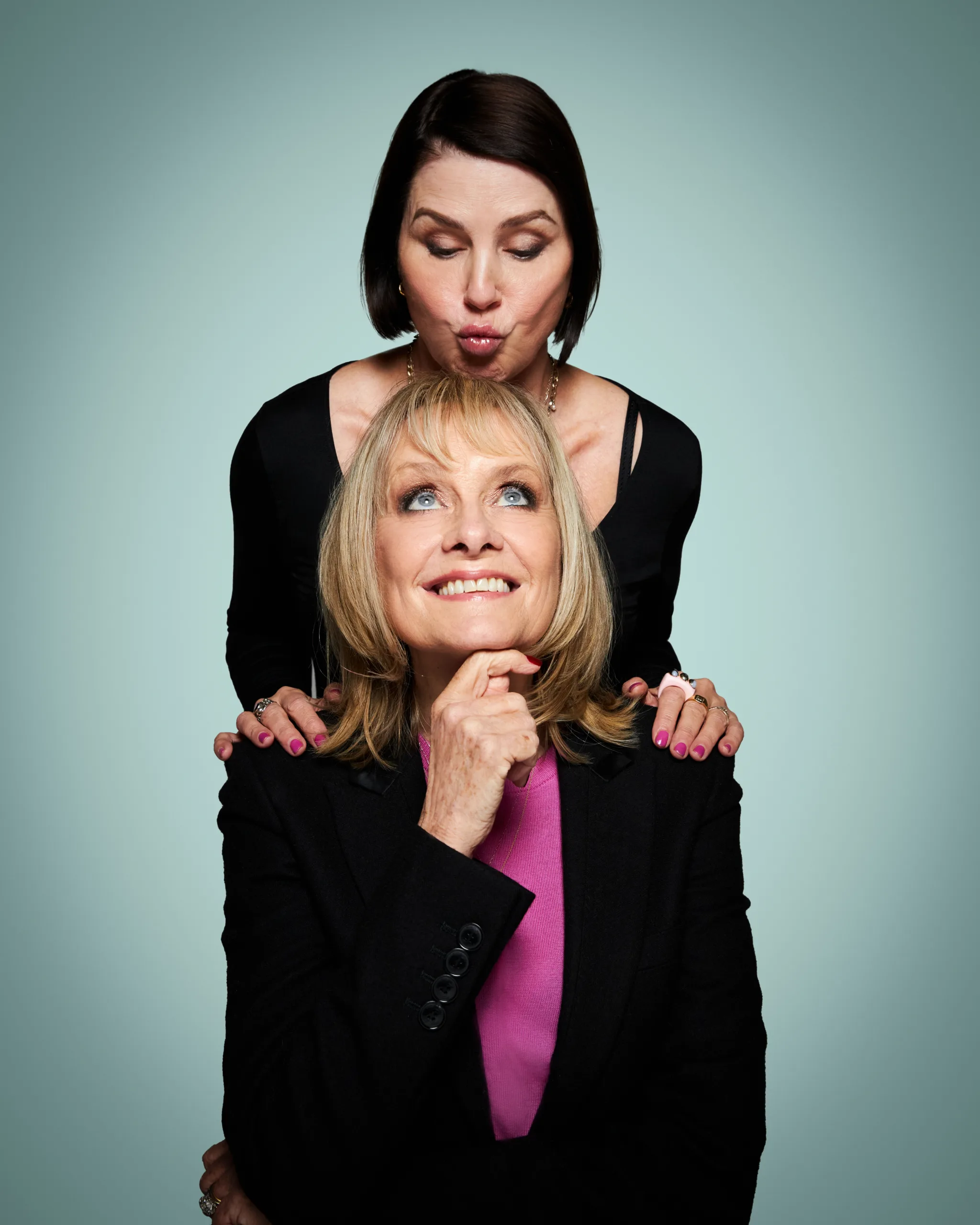
How did you two first get connected?
Twiggy: We met originally 30-odd years ago in London through mutual friends. We knew each other enough to say hello, but we didn’t hang out or work together.
Sadie: But then, I made a documentary about Mary Quant and I was on Twiggy’s podcast to promote it.
Twiggy: I asked her when she was going to make another film because I loved “Quant” so much. She told me how much she loved doing the film because it was about the 60s and she was having fun with the research and wanted to do something else from that decade. And then she was like, “I should do you!” It wasn’t planned!
Sadie: A lot of people kind of sit around trying to think of their next move, but sitting in that podcast, I realized I wasn’t going to have a job the next day. *laughs* We had a conversation, but Twiggy was at first a bit hesitant.
Twiggy: I was a bit reticent because it’s a major thing to commit to having your life told in detail on a big screen. But on the other hand, I had thought over the years, “somebody is going to do it anyway,” so I’d like to be involved. I wanted it to be with someone I trusted. I love the fact that she’s a woman and has done all the things I’ve done: been a designer, actress, model, and in the public eye from a similar age. She understood.
Sadie: It’s about trust and respect. In working on the Mary Quant documentary for so long, she was very ailing, and I was dealing with her family to develop the film. This time I was working with someone who was very much here with me, and it was a balancing act: making the film I wanted while making sure Twiggy, her family, and the production company, were happy. You have to stick true to your values, and I wanted this to be a very celebratory and inspiring film.
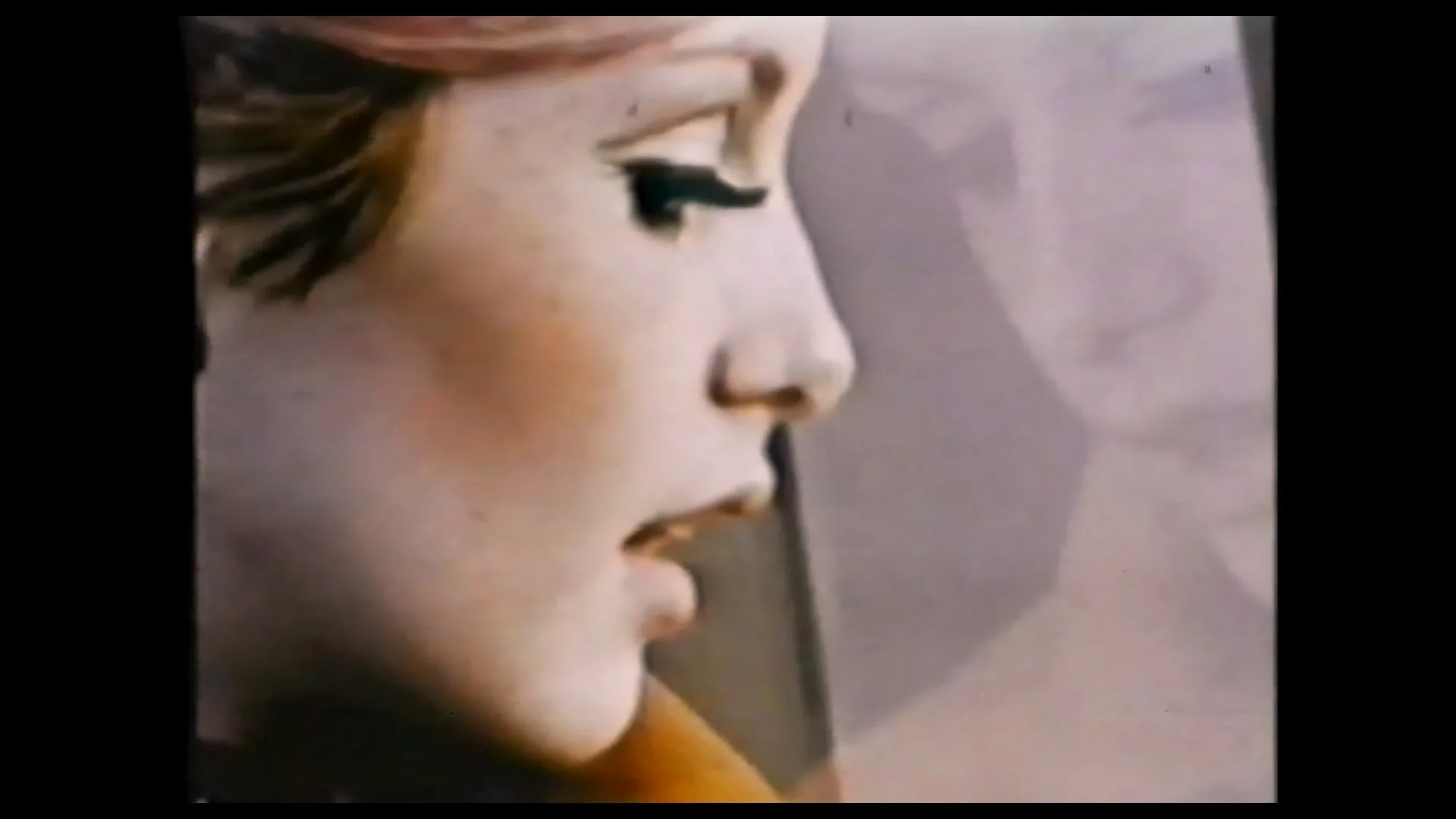
When you mention Mary Quant, she was such a prominent figure in shaping the 1960s Mod scene and culture. In this film, Twiggy says she considered herself a Mod in her teen years. Your filmography almost feels like you’re crafting a filmic lineage of British female cultural icons. Is that part of your motivation?
Sadie: I think so. That time is fascinating for me because I was a baby and my mum and dad were sixteen when I was born, and they were Mods. I lived a very bohemian, reckless life in that world, and I wanted to take myself back. By making “Quant” and “Twiggy,” it feels like I’m there, revisiting my youth and getting to know characters that would’ve been there when I was a child. The funny thing was, I’ve got a few other documentaries with women after this that could be parallel and very exciting, but I didn’t want to go straight into making another about women. So now, I’ve made a documentary with Pete Townsend about Quadrophenia, which is all about Mods. So I must’ve been a Mod in a past life. It’s really culturally based around them and identity.
Twiggy: It was such an amazing movement. It was so huge in the UK. The clothing was so important, and I think that’s why I got so into fashion and designing. Having the right clothes was imperative.
Sadie: And I think this is good to do now that I’ve done it through two female lenses to do it through a male lens. It’s something completely different to do it in a world I’m not party to: a male headspace and mental health perspective.
Twiggy, as is the nature of being a model, actress, and public figure, your life has been immensely documented moment-to-moment for decades. What is it like to see all of it culminate in one project? Does it feel different to you?
Twiggy: When I’m living my life, I very rarely think about the past. I don’t think about the 60s. I’m always very much in the moment. I’m always thinking about what I’m doing next and what my project is right now. But when I actually saw the first cut, we both cried. It’s kind of peculiar and uplifting. And the sad moments come back when you see them on the big screen, obviously. You relive them. But Sadie did a remarkable job, and we still love each other!
Sadie: Yes, we never fell out! [laughing]
The ’60s was such a specific era culturally and socially, with the Youthquake and the pop culture British Invasion, but also politically. In many ways, it almost feels like a sister decade to ours. This documentary feels like it’s coming out in a parallel moment. With “Twiggy,” we’re reflecting on a life that took off amid all these shifts, and the fashion was shaped by those cultural contexts that the film also explores. It feels very tapped in to today; do you feel that as well?
Sadie: Yeah, I think so. I just finished “Quadrophenia” today and watched it all the way through. The big part in the ending is the current third wave of Mod revival. In London, there are all these amazing bands and girls that look like Twiggy when she was sixteen. I went to a lot of underground clubs, and people don’t have their phones out. I think it’s a backlash to what’s happened in the past 5-10 years.
And Twiggy, your signature look was one you created. You made your clothes, and the now iconic eye look was inspired by one of your rag dolls. What was it like to see your look popularized and made synonymous with an era?
Twiggy: Yeah! I created that makeup before I was even modeling. I was a grammar school girl, so we weren’t allowed makeup in school. It was a big no-no. On weekends, like all teenage girls, my friends and I would gather in one of our bedrooms and play with makeup. That’s where it all came about! I was allowed to wear it Saturday and Sunday, and off it came for the week. But then once I was discovered, those lines I drew under my eyes became known as “Twiggies.”
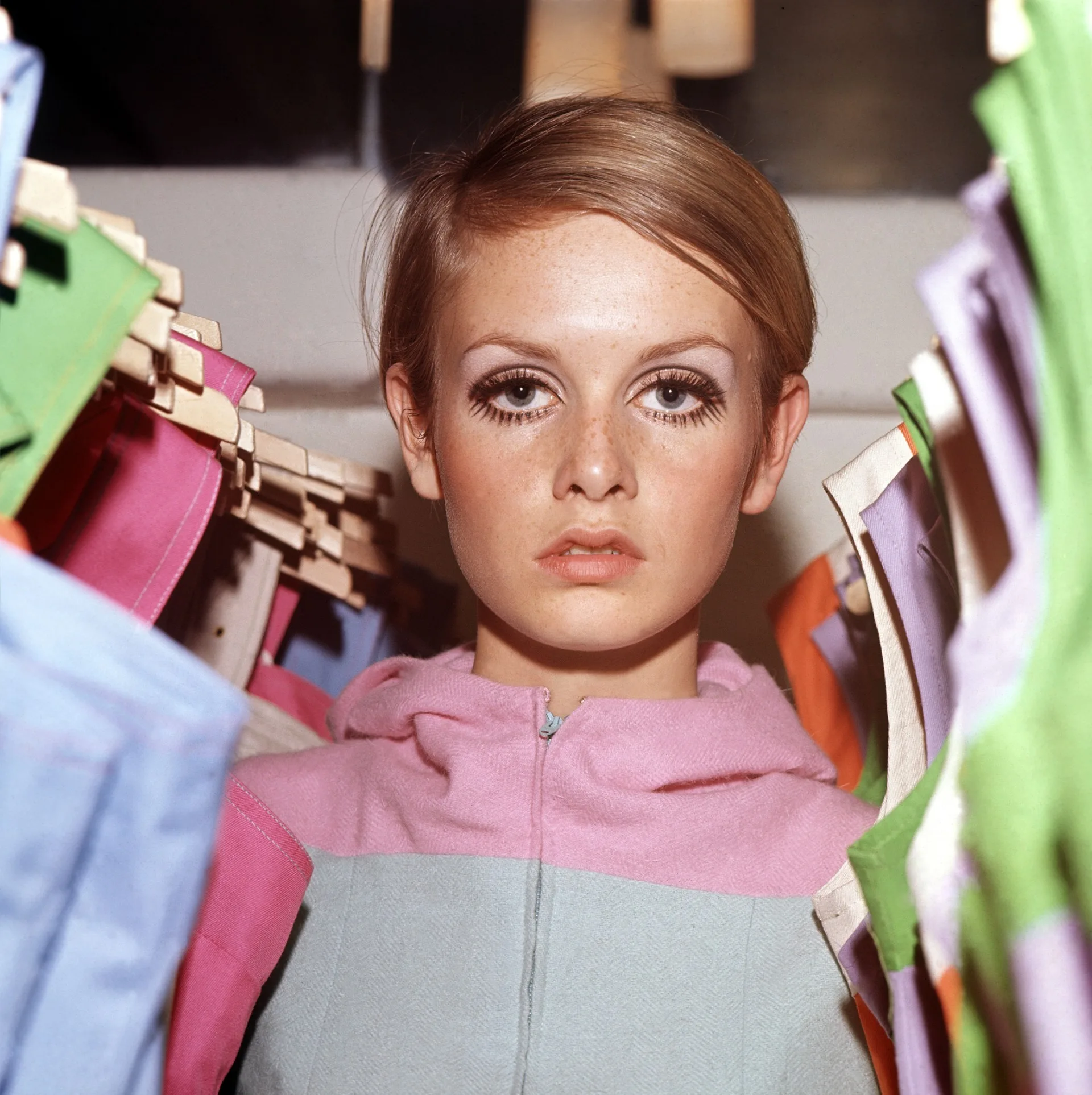
The film not only honors your status as a fashion icon, but also acknowledges that it only scratches the surface of your career. You found success on stage, in movies, and in music. What was it like transitioning out of modeling into those careers? And Sadie, how did you strike that balance in prioritizing the whole legacy over the more mainstream aspects of it?
Twiggy: Like modeling, I didn’t plan any of it. It’s about meeting people. I was as shocked as the rest of the world was when I became a model. If I had walked into an agency, they would’ve said “too small, too thin, wrong background,” and shut the door. I didn’t look like the models of the day, but in hindsight, that’s why it probably happened to me.
Sadie: But I think you either have it or you don’t. Of course you can work for it, but I think Twiggy was always meant to be discovered. She has a natural talent. She could sing, dance, and act even though she wasn’t trained. When people are trained, sometimes they all act like everyone else. Ken Russell said she was quite moldable, and he used that in “The Boy Friend.” That’s why she got two Golden Globes. Her career evolved, and opportunities came naturally for Twiggy.
Twiggy: It’s important that someone like Ken Russell, who at the time was the biggest director in England, cast me. I hadn’t planned to give up modeling, but Ken became a mentor, and he changed my life. One door opens another door. Tommy Tune was in “The Boy Friend” with me, then went back to New York, became a big theatre director, and cast me in “My One and Only” on Broadway in the ‘80s. It was something I never thought I could do, but he told me, “There’s no such thing as can’t. Pack your bags and get out to New York.” It was a massive hit; I was nominated for a Tony, and we ran for 18 months. It’s wonderful to have the right people believe in you and give you the courage to try and to work hard.
Sadie: You make the best of what you have. Life isn’t about sticking to the same thing. You can try other things even if some people criticize you for it. As a director, it was just important to show every aspect of Twiggy’s life. You can’t just do the bit you like. I had to be challenged to be flexible.
Through making this documentary, I’m curious if your feelings toward the idea of legacy have shifted. I wonder if it’s hard to see when you’re so up close to it, but this film is an exhibition of that.
Sadie: We just got to the Cleopatra offices, and they have the most amazing posters and T-shirts, and I was wrestling to the ground to get one. So that must show that Twiggy’s legacy is very alive today. Everyone is gonna want the T-shirt and poster, not just me. Her legacy is firm.
Twiggy: I’m not going anywhere.