The U.S. Documentary program at this year’s Sundance 2026 wasn’t necessarily the best of recent years but did contain a number of undeniably well-made non-fiction offerings. Personally, I wish Sundance would lean more into documentarians who play with form (like the Ross brothers, for example) than rely so heavily on the current trend of drone-heavy, straightforward nature docs. All four docs in this final documentary dispatch from Park City have their strengths but none stand out like last year’s gems “Seeds,” “Predators,” and “The Perfect Neighbor.” They all will hit the target for anyone distinctly interested in their subject matter but may struggle to reach beyond their base.
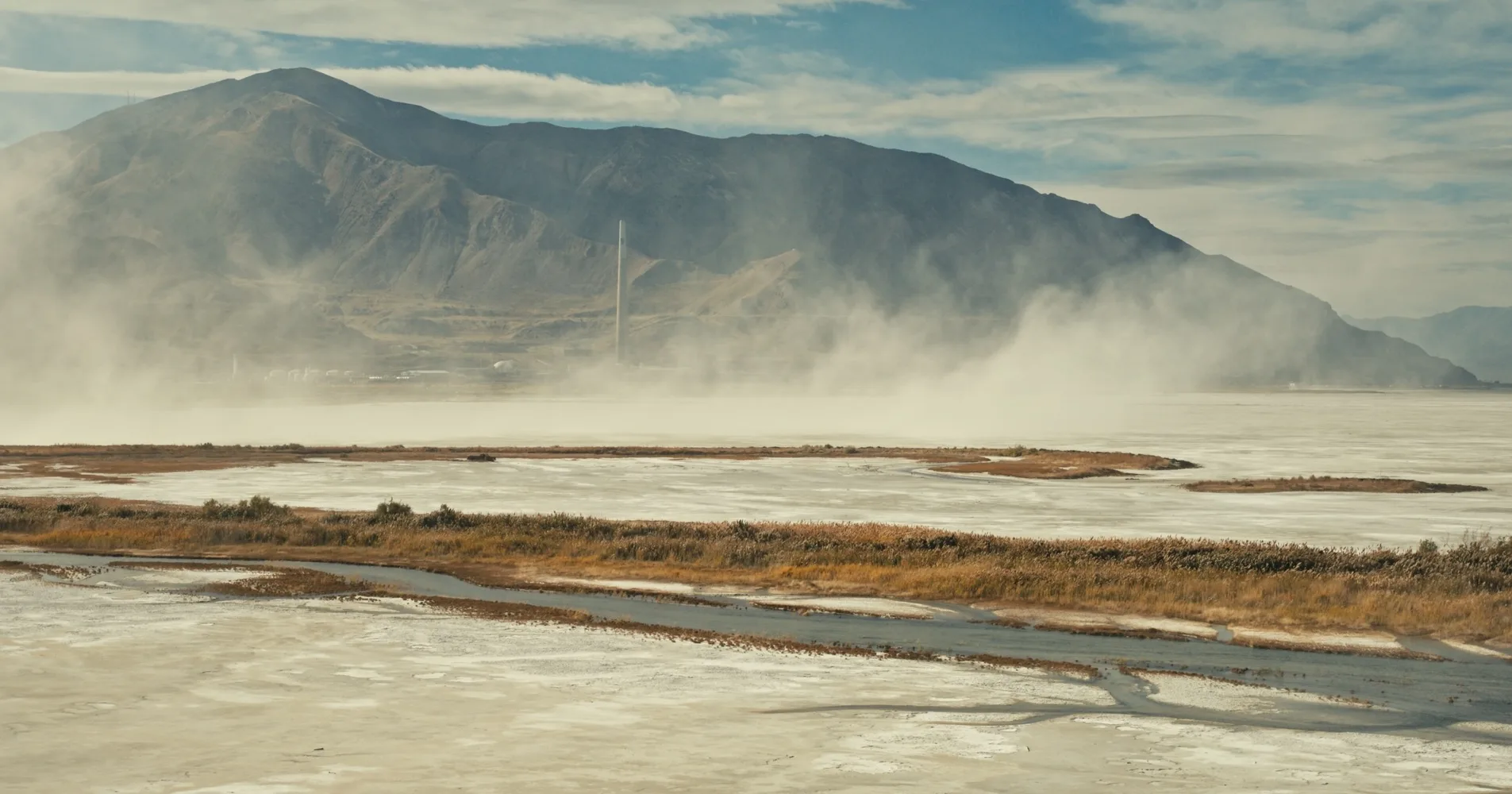
The departure of the Sundance Film Festival from Park City to Boulder, starting next year, adds an unexpected melancholy to Abby Ellis’ “The Lake,” a film that’s about a more drastic element that’s escaping Utah than a film festival: the water in the Great Salt Lake. The winner of U.S. Documentary Special Jury Award: Impact for Change, “The Lake” follows a pair of scientists and a politician as they try to raise awareness about the incredible amount of water that’s being lost from the Great Salt Lake. It’s only a matter of time before the lake is gone entirely, and the barren patches where there used to be water now produces toxic dust storms to nearby regions. The vanishing of the largest saltwater lake in the Western Hemisphere should be a code-red emergency, but the agriculture industry in the area that uses the water pushes back on accusations or alterations that could change their livelihood, writing off the science as fearmongering, especially after an unexpectedly wet winter buys the lake a little more time.
Without foreground her perspective like an Alex Gibney or Michael Moore, one can still tell that “The Lake” was made by someone with a tight connection to the region. A Utahn filmmaker herself, Ellis knows when to back away and just how personal to get with the people she’s profiling. They’re so invested in stopping this ecological disaster that they are putting their own health at risk, inhaling the heavy metals unearthed from the lakebed. And yet “The Lake” doesn’t push into sentimentality, often presenting the charged political meetings with the simple veracity of a Wiseman film. It’s a strong documentary that understands that this isn’t a simple issue: Asking an already delicate ecosystem like that of the Utahn farmer to put itself in further jeopardy isn’t easy for scientists or the politicians who need their votes. But can anyone hear about not just draining resources but health risk for millions of people along the Wasatch Front and just do nothing?
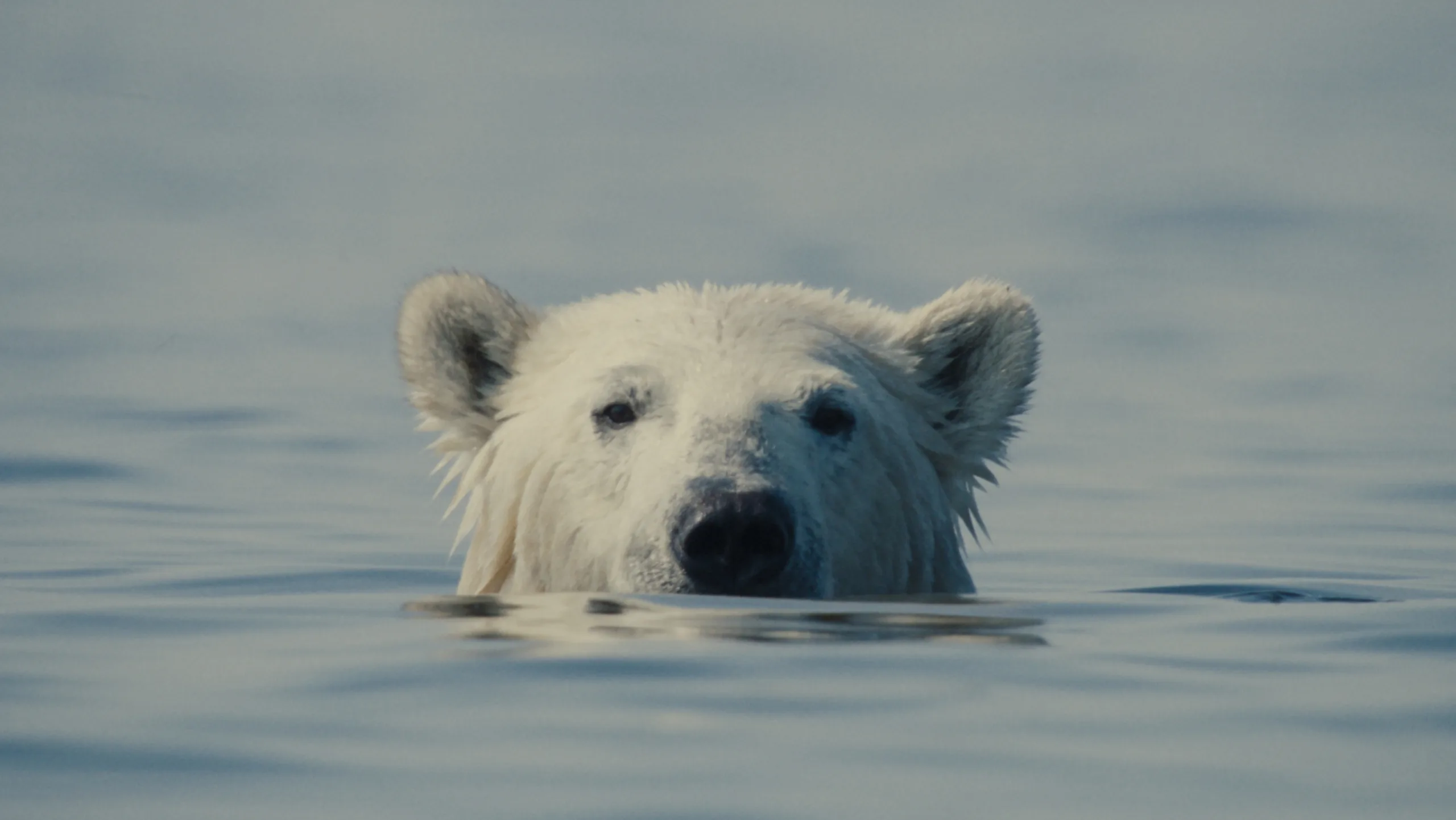
An ecological warning also rings through Gabriela Osio Vanden and Jack Weisman’s gorgeous “Nuisance Bear,” a project that ties the manner in which mankind is pushing into the space of polar bears in the great north of this continent into a thread of how the Indigenous people have been pushed off or forced to coexist with unwelcome visitors like tourists, hunters, and profiteers for generations.
The filmmakers follow a polar bear around the region of Churchill, Manitoba, reportedly the “Polar Bear Capital of the World,” using Inuit narration to tell his story, a choice that ties the journey of the animal into that of the people who revered and respected them more than the white interlopers in the region have done over recent decades. Who is the real nuisance? The polar bear seeking resources to stay alive or the buses of tourists scaring those resources away? The polar bears in this region are constantly poked, prodded, monitored, and even pushed off their land. Avoiding the moralizing or the doomsaying of most nature documentaries, “Nuisance Bear” sometimes approaches a tone more akin to a fable, weaving history, mythology, and humanity together.
It helps that it’s one of the most visually striking films that you’ll see this year. It’s gorgeously shot by a team of cinematographers that includes the directors, but the imagery is sometimes impacted by a remarkably overdone score. The filmmakers have crafted a beautiful window into this hard-to-reach corner of the world, which makes the choice to drown out the splendor with music that’s a few notches too loud and too exaggerated a disappointing one. Still, there’s a lot to like about this film’s intent and approach, which should make it a relative hit (as much as a nature doc can be) for A24 later this year.

The warnings in Sharon Liese’s “Seized” aren’t ecological; they’re shouts about the increasingly fraught relationship that this country has between law enforcement and freedom of speech. At a time when major news outlets are clearly under the thumb of the Trump Administration and journalists are basically asked to sign loyalty oaths to do their jobs, “Seized” feels like a micro version of an increasingly macro problem. It sometimes struggles to fill out its runtime—this a story that might have fit more snugly in an hour-long format of something like “Frontline”—but the story that Liese tells feels like one that more people need to hear … while we’re still allowed to tell it.
On August 11, 2023, the Marion Police Department raided the office of the local paper, The Marion County Record, as well as the home of publisher/editor Eric Meyer, whose 99-year-old mother was present and died the next day, likely due to the stress. The idea that local cops could rip phones from the hands of journalists and abscond with files and computers made national news, and the story became more ridiculous when it became clear that it was the product of a vendetta by the local police chief, Gideon Cody. The paper had received evidence that a local business owner was driving on a suspended license, and she happened to be dating Officer Cody, who then weaponized the police force to serve his needs. It’s an unbelievable abuse of power and Meyer wasn’t having it. To say he fought back would be an understatement.
Meyer is a pit bull in a doggy day care of chihuahuas. He is relentless in his pursuit of journalism, to such a degree that he’s made enemies of many residents of Marion County, people who would like to see the paper uplift the community as often as it reports on its flaw. The number of interview subjects who come right out and say that they don’t like Meyer in “Seized” is remarkable, a reminder that sometimes you have to make enemies to report the news, and how that is exacerbated in a community where everyone knows each other.
Liese also tracks a new young reporter at the Record, one who seems on the fence regarding Meyer’s aggressive approach. Can a community paper serve the needs of its community in a way that doesn’t make enemies without sacrificing morals? It’s the most fascinating question at the core of “Seized,” although I did wish sometimes that Liese placed the Marion story in the broader context of what’s happening around the world. Of course, we can make those connections on our own, but it feels like a missed opportunity in a world where Bari Weiss is basically a propagandist. Someone should give Eric Meyer her job.
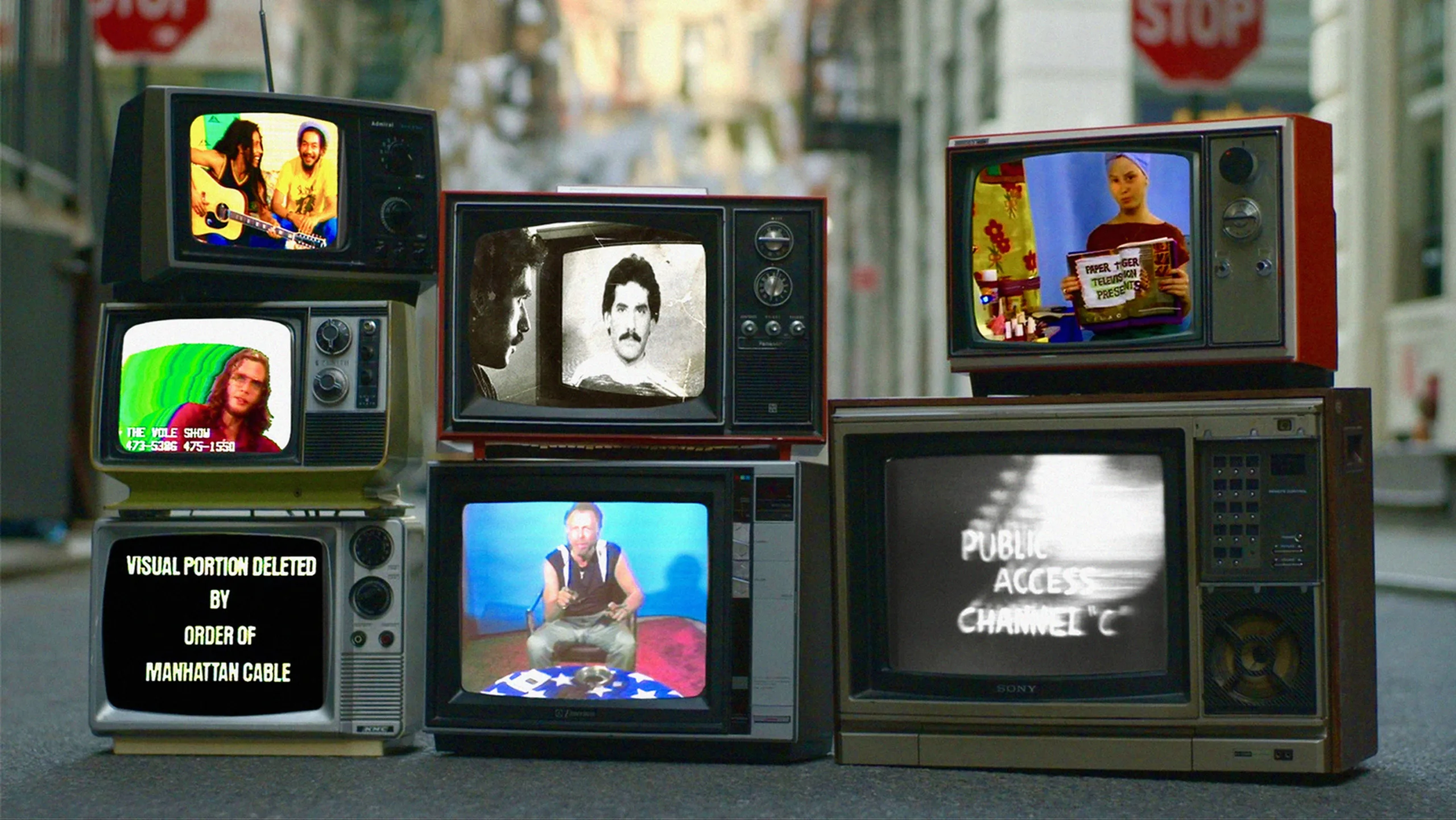
Finally, there’s the playful “Public Access,” a film that profiles the ascendance of public access television in New York, and how it shaped the kind of creator-driven content that has now basically moved online. Again, a tight approach eschews a broader context of the impact of these creators, but this is still a mostly engaging journey into a time when almost anyone could get on TV, especially if they were willing to take their clothes off.
David Shadrack Smith presents nothing but footage that aired on New York City’s Manhattan Cable Television, shown under narration from the people involved, although we never see them in modern, talking-head interviews. The approach locks us into what was presented in a way that can feel somewhat constraining. Also, no one wants to watch even the best public access TV for the length of a feature film. It’s better in small doses.
However, it is fun to see some of the early pioneers like “Grube Tube” and “The Emerald City” in all their glory. As with most good things, the empire of public access collapsed when the prudes got their hands on it, leading to censorship and hearings in a realm that was progressive and pioneering when it came to LGBTQ issues. While it can get too repetitive, the best of “Public Access” serves as a reminder that creator-driven content like we see on YouTube and TikTok isn’t new. People have been trying to express themselves in a way that avoids the mainstream for generations, and Public Access TV was essential to that growth and representation.