It is a truth universally acknowledged that if you are a teen, you are probably going through it. That’s certainly the case for the young people in three films world premiering in the World Dramatic Competition at this year’s Sundance. There’s 14-year-old misfit Sid in “Big Girls Don’t Cry,” who is coming-of-age in New Zealand during the mid-2000s while also coming face-to-face with internalized homophobia. From Cyprus, there is “Hold Onto Me,” in which 11-year-old Iris attempts to reconnect with her estranged father. Lastly, there is “Tell Me Everything,” which centers on 12-year-old Israeli Boaz, who, during the height of the paranoia during the early days of the AIDS epidemic in the 1980s, discovers a secret about his father that will alter the course of both of their lives.
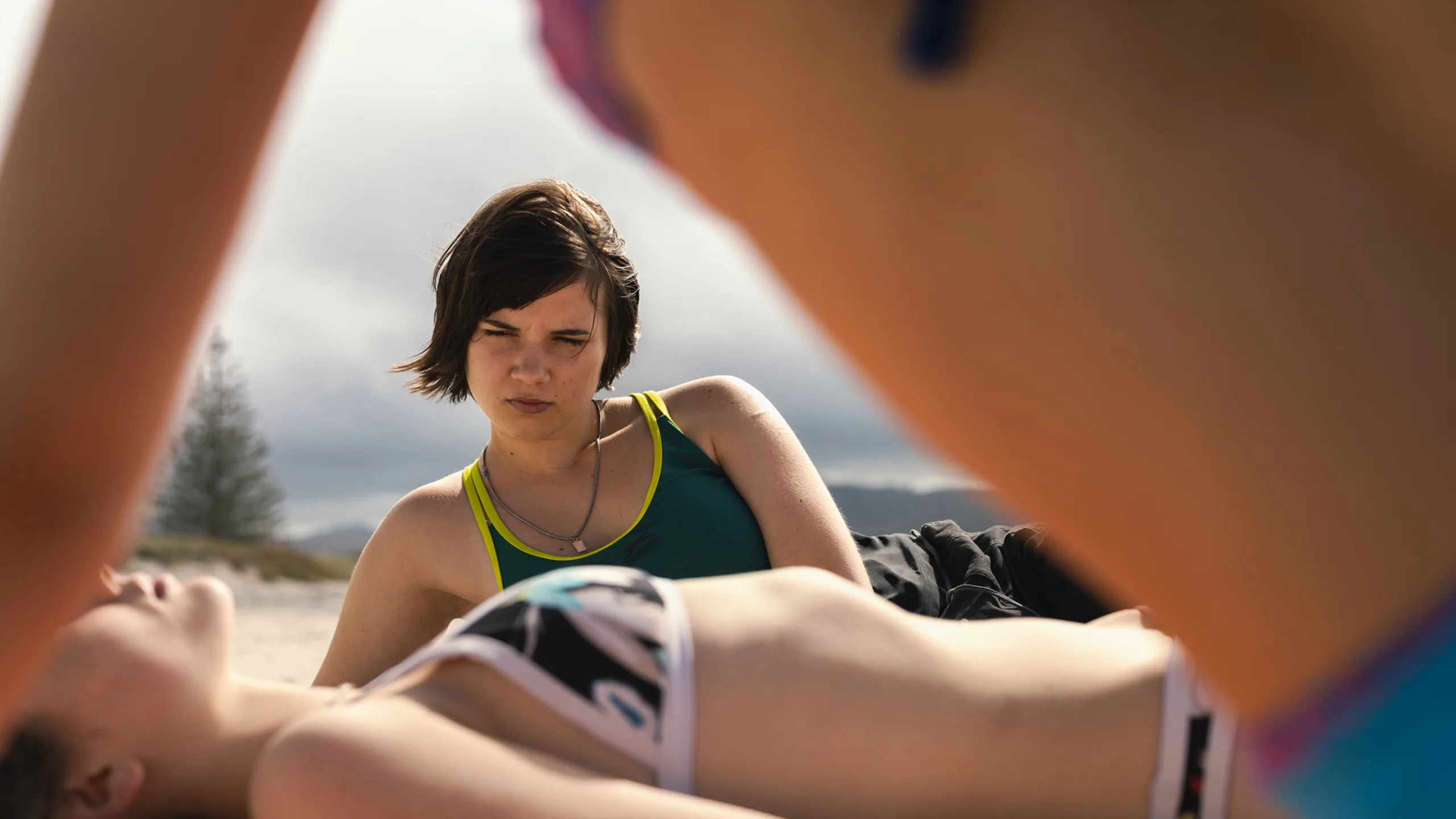
Mentored through Jane Campion’s film program A Wave In The Ocean, writer-director Paloma Schneideman’s “Big Girls Don’t Cry” is a wry and intimate queer coming-of-age tale filled with as much desire as it has rebellion. Set in the summer of 2006, the film centers on Sid (Ani Palmer, in a wonderfully layered and subtle debut performance), an angsty youngster as she navigates that uneasy space between childhood and what lies beyond. You’ll cringe with painful recognition as Sid tries on different identities as she interacts with different people, like piercing her own belly button to impress the vapid hot girls she desperately wants to think she’s cool. Or trying pot for the first time with Freya (Rain Spencer, always a breath of fresh air), an exchange student from America who already knows Sid is cool. While she tests the boundaries of youthful recklessness, Sid also pushes away her older sister, her childhood best friend, and her less-than-stellar Dad (Noah Taylor).
As horrified as I am that the mid-2000s have now been used as a period setting by at least a dozen films in recent memory (“Saltburn,” “Suncoast,” and “Yes, God Yes” to name a few), it’s interesting to see what details directors will choose to evoke the era. Here it’s Von Dutch trucker hats and MSN Messenger chats, both of which must feel as ancient to younger viewers now as bellbottoms did to me watching films made in the 1990s that were set in the 1970s.
But what really makes this film special is the way Schneideman subtly indicates how painful it was in that era to grow up queer without any real support system, even if you never experienced any actual violence. Sid has not quite accepted her queerness, partially because of the era’s rampant homophobia, and partially because she doesn’t seem to have any queer elders to guide her. This, of course, adds to her confusion as she explores her sexuality. In one of the film’s funniest visual moments, Sid masturbates alone in her room, looking at a poster of hot beach bodies on the wall, her eye slowly moving past the ripped dudes before holding steady on a girl in a bikini. I laughed, but I also saw a reflection of my own struggle as a weird little queer girl coming-of-age on my own in the middle of nowhere in this same era.
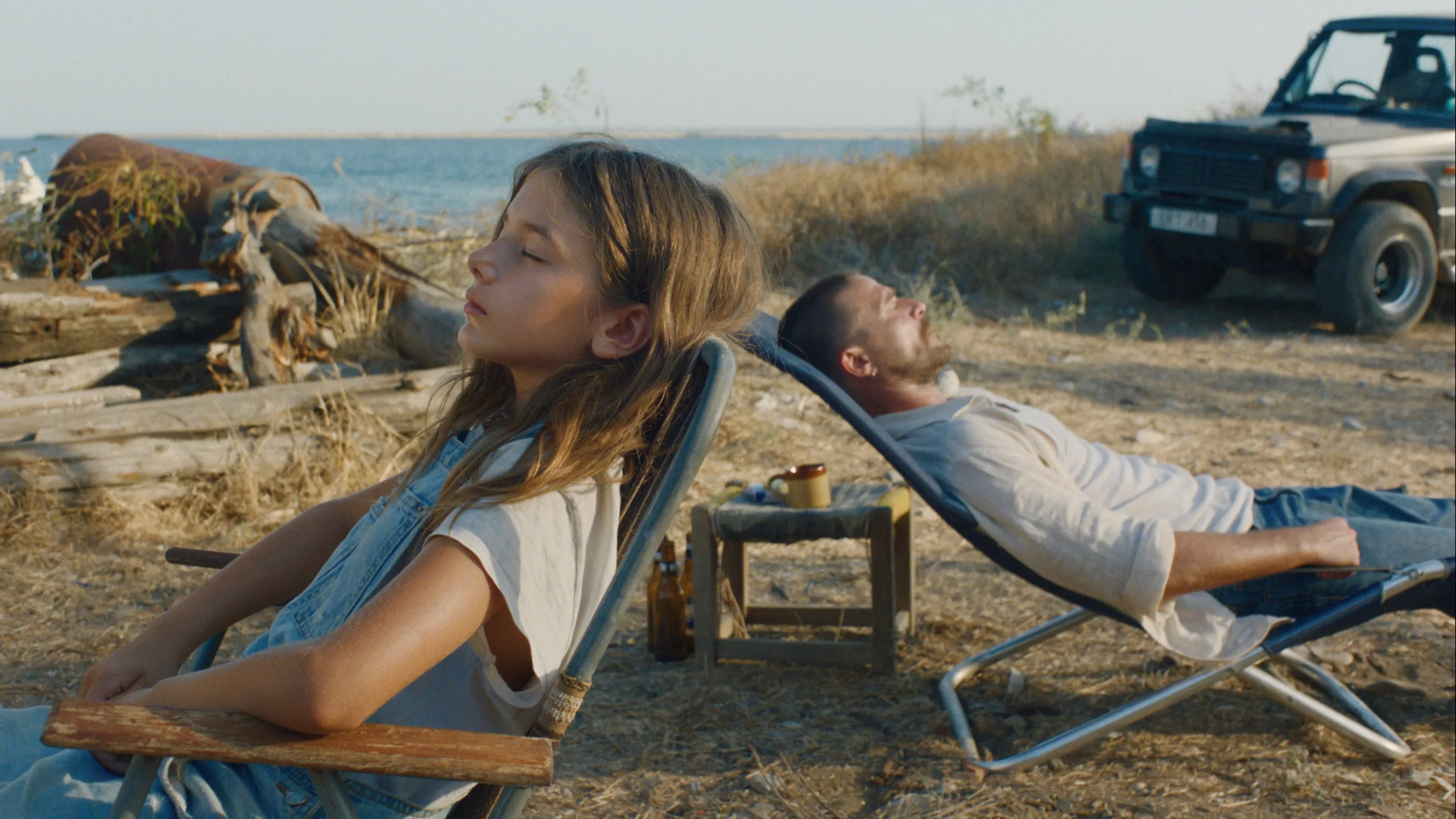
While Sid is working to get comfortable in her own skin, 11-year-old Iris, the spunky protagonist of Cypriot writer-director Myrsini Aristidou’s debut feature film “Hold On To Me,” is already there. She’s a tough cookie who doesn’t even blink when she’s picked up by the cops for stealing a leaky old boat with her older best friend Danae (Jenny Sallo), so the two could sunbathe and record TikTok dances. She even resists pressure to reveal the name of her accomplice. She’s equally tough when her estranged father Aris (Hristos Passalis) bilks her pocket money to pay off the boat’s owner when he’s called to the station to retrieve her. Determined to get her money back, and also clearly longing to reconnect with her long-lost Dad, Iris follows him around town until he lets her in on his schemes. Yes, the film gets into some “Paper Moon” territory, but Aristidou takes those building blocks and transforms them into a story that is uniquely her own.
Iris adores her father, and we see how their personalities reflect each other, both in the moments when they are together and in Iris’ private moments, like when she mimics his cigarette smoking while alone in her bathroom. While Aris is at first gruff with his daughter, his hidden tenderness slowly surfaces. My favorite scene in the film features Aris sharing one his favorite songs, the Alan Parsons Project banger “Eye In The Sky,” with his daughter while the two cruise in his car. Sharing music with each other was a love language I also shared with my late father, so I’m not going to lie, I got a little misty-eyed.
Of course, their newfound closeness swiftly becomes threatened by the ghosts of Aris’ past, in the form of some underworld baddies. You might think you know how the events of this last act will unfold, but Aristidou’s film finds new paths to forge, and I found myself holding my breath more than once as I watched these two work through the hurdles that life throws at them. I also enjoy a filmmaker bold enough to end her film without any traditional closure. More of that, please.
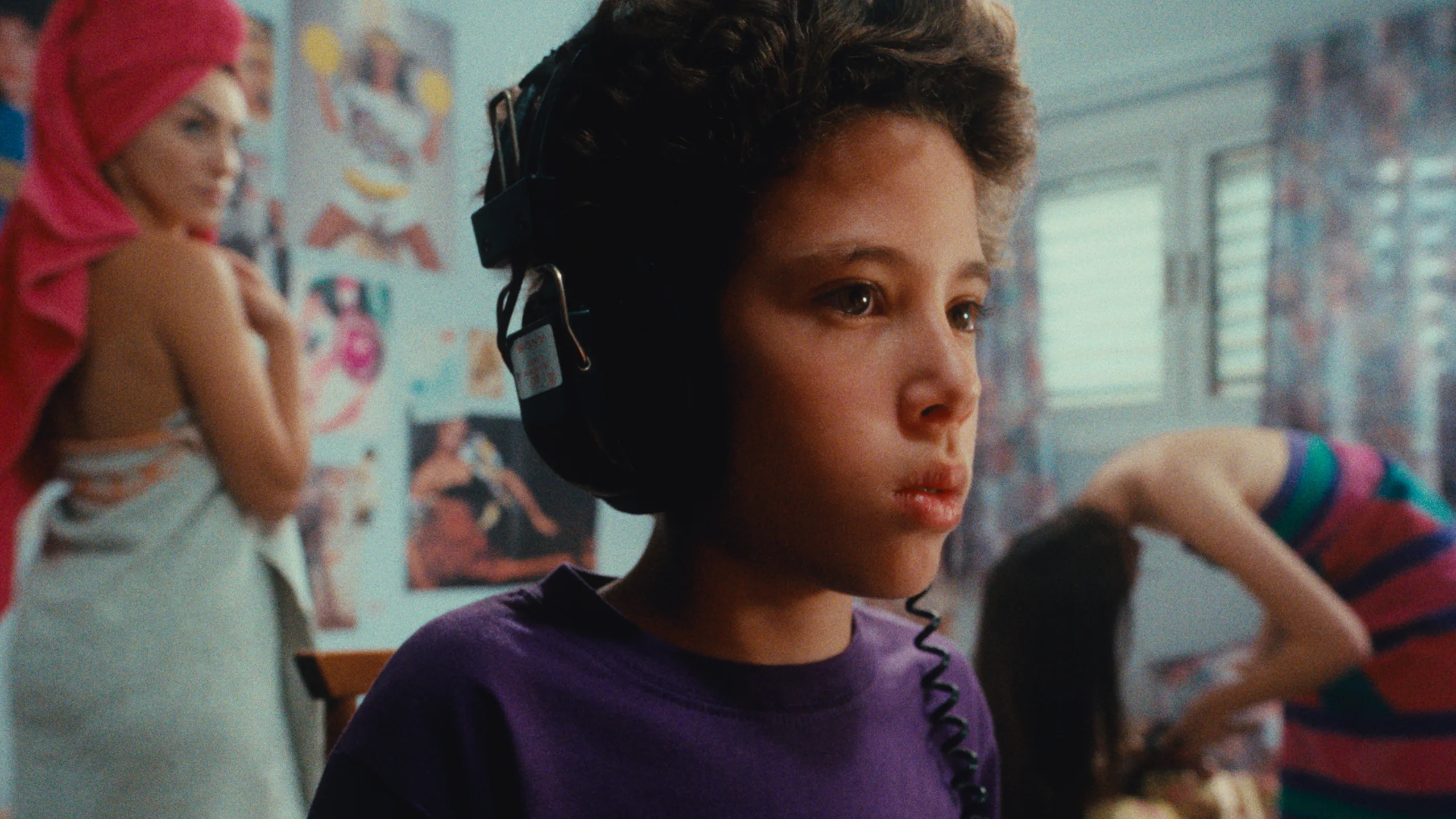
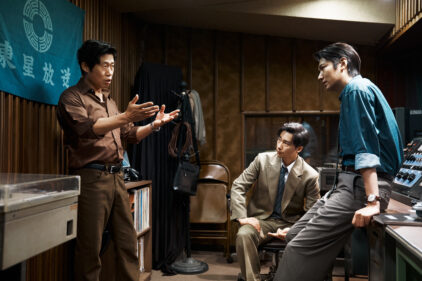
Moshe Rosenthal’s sophomore feature “Tell Me Everything” also centers on a fragile close parent-child relationship and the perils of homophobia. In the first half of the film, we follow 12-year-old Boaz as he and his family prepare for his Bar Mitzvah in the mid-1980s, when big hair and new wave pop music dominate the airwaves. In fact, this marked the second film I saw at Sundance in which characters bond over listening to music in their car (in this case, the Jim Steinman-penned Air Supply ballad “Making Love Out of Nothing at All”).
As the film begins, Boaz has a close relationship with both his parents, adoring his glamorous mother, Bella (Keren Tzur), and idolizing his father, Meir (Assi Cohen). He even has a loving, if somewhat fitful, relationship with the teenage sisters (Mor Dimri, Neta Orbach) with whom he shares a bedroom. That is, until one day at the pool, he discovers his father’s hidden second life hooking up with men. Due to the fearmongering around AIDs in the media, which Rosenthal peppers in like poisonous white noise in the background, Boaz is fearful that his father’s indiscretion has put the whole family in danger of catching the disease, and he begins acting out.
Their close-knit family fractures in the wake of this discovery, and the second half of the film, set in the 1990s, centers on broken pieces. Anger and resentment, as well as violent homophobia, fester under Boaz’s skin, coming to a head one night when he and his friends cruise a queer pickup spot. Their misadventure turns violent when Boaz spits on a gay sex worker, an action that will have greater ramifications for Boaz later on in the film. I won’t spoil the ending, but I will say I almost wish the film had ended with Boaz’s comeuppance, rather than the prickly, but ultimately tidy ending that Rosenthal grants him.