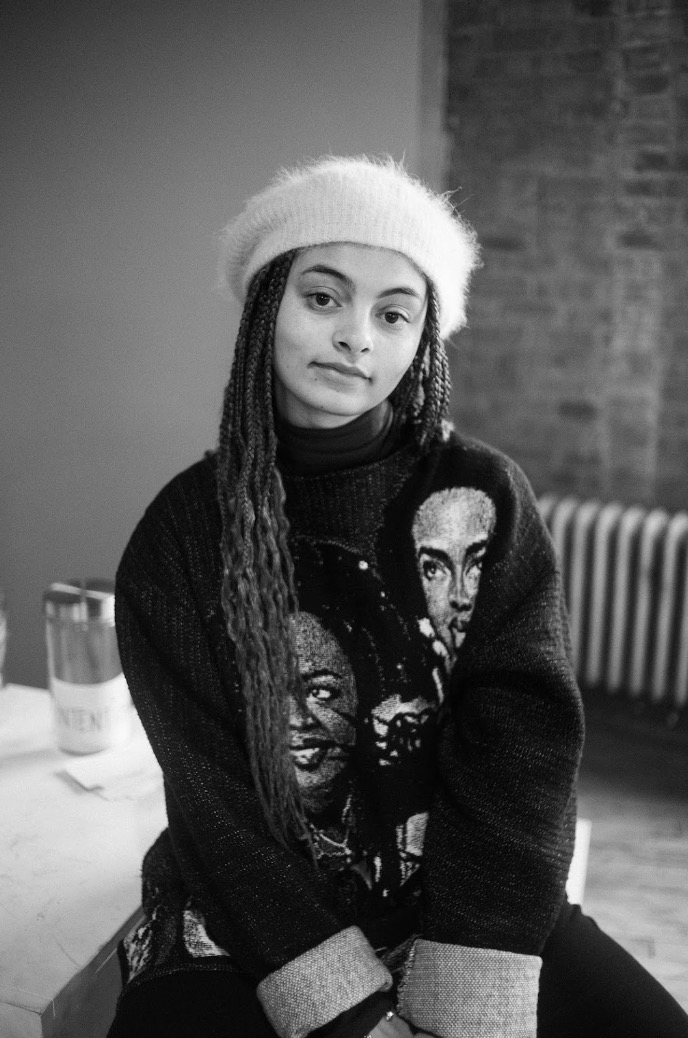
The Chicago International Film Festival’s Black Perspectives program celebrates its 30th anniversary this year. Under the new guidance of Chicago-based artist and scholar jada-amina, its phenomenal curation selected the feature narrative and documentary films. Through her lens, audiences can explore the breadth and complexity of Black stories across all genres and styles.
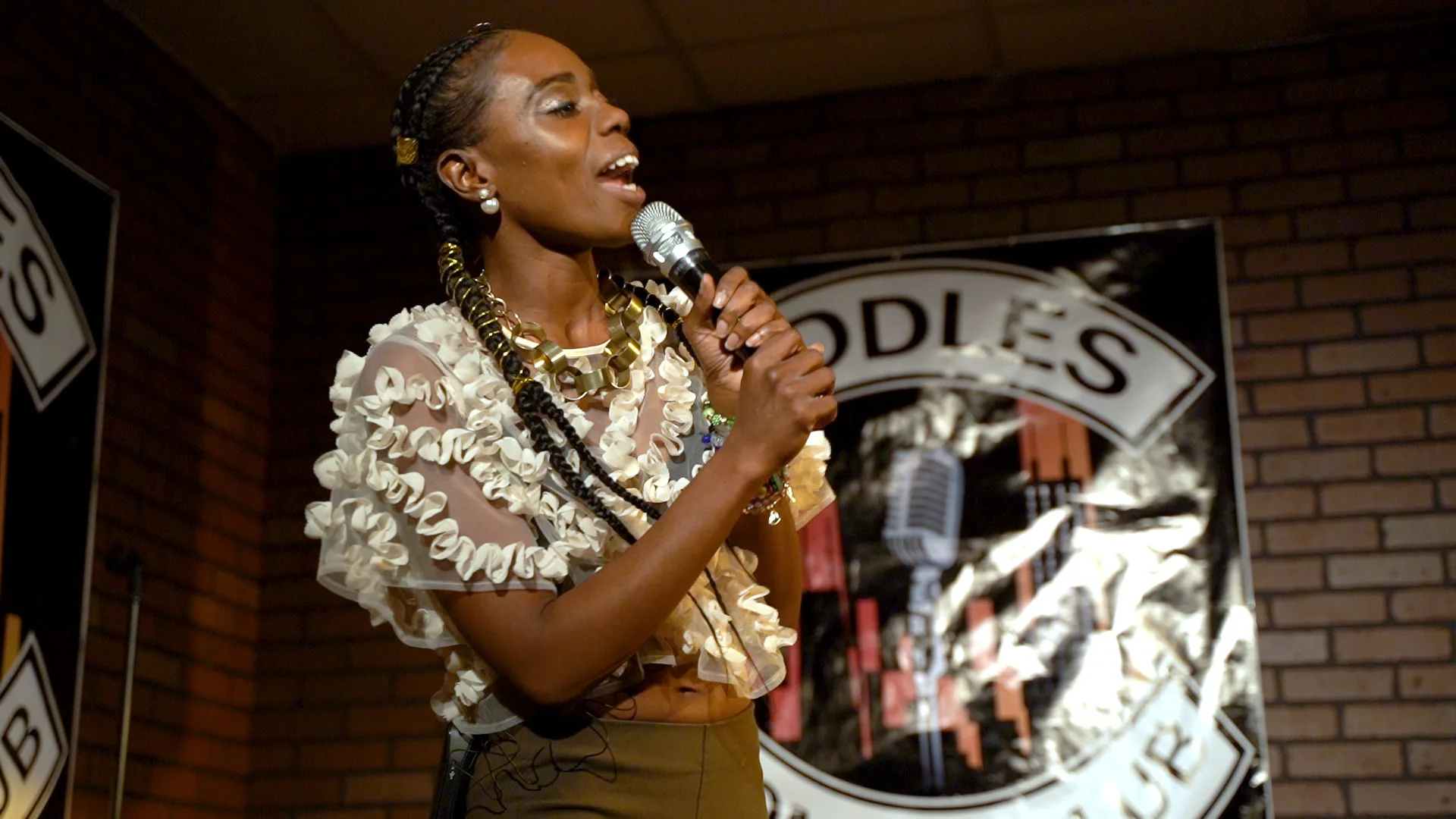
“Finding Your Laughter” is a comedic documentary about losing a parent and growing through it. From Chicago’s South Side, director and caregiver Arlieta Hall delivers a heartfelt, complex portrait of slowly losing her father, Milton, to Alzheimer’s disease.
As Hall transitioned from her full-time job to full-time caregiving alongside his wife, Charmaine, she shot daily vignettes of everything, which would form her debut film: the happy, the frustrating, the confusing, the concerning—it’s all there. Her patience is boundless; each moment models a level of love that makes the movie’s meaning abundantly joyous in the face of grief. Even in his last years, Milton’s body remembers how to groove. These small moments are the heart of “Finding Your Laughter,” showing us at a cellular level that, despite cognitive decline, celebration is possible.
As the story transitions and makes subtle time jumps, comic-strip-like animations connect missing elements and significant developments. This choice to fill gaps is both creative and amplifies the concept of play Hall wants to teach her audience. The score oscillates between jazzy and acoustic instrumental, mirroring the dance’s emotional highs and lows.
The narrative is well organized, as if it’s another way to compartmentalize or cope with conflicting life events. What’s most impressive is that, while Hall creates an intimate story about one parent’s end of life, “Finding Your Laughter” leaves its audience inspired to carry these burdens with a smile.
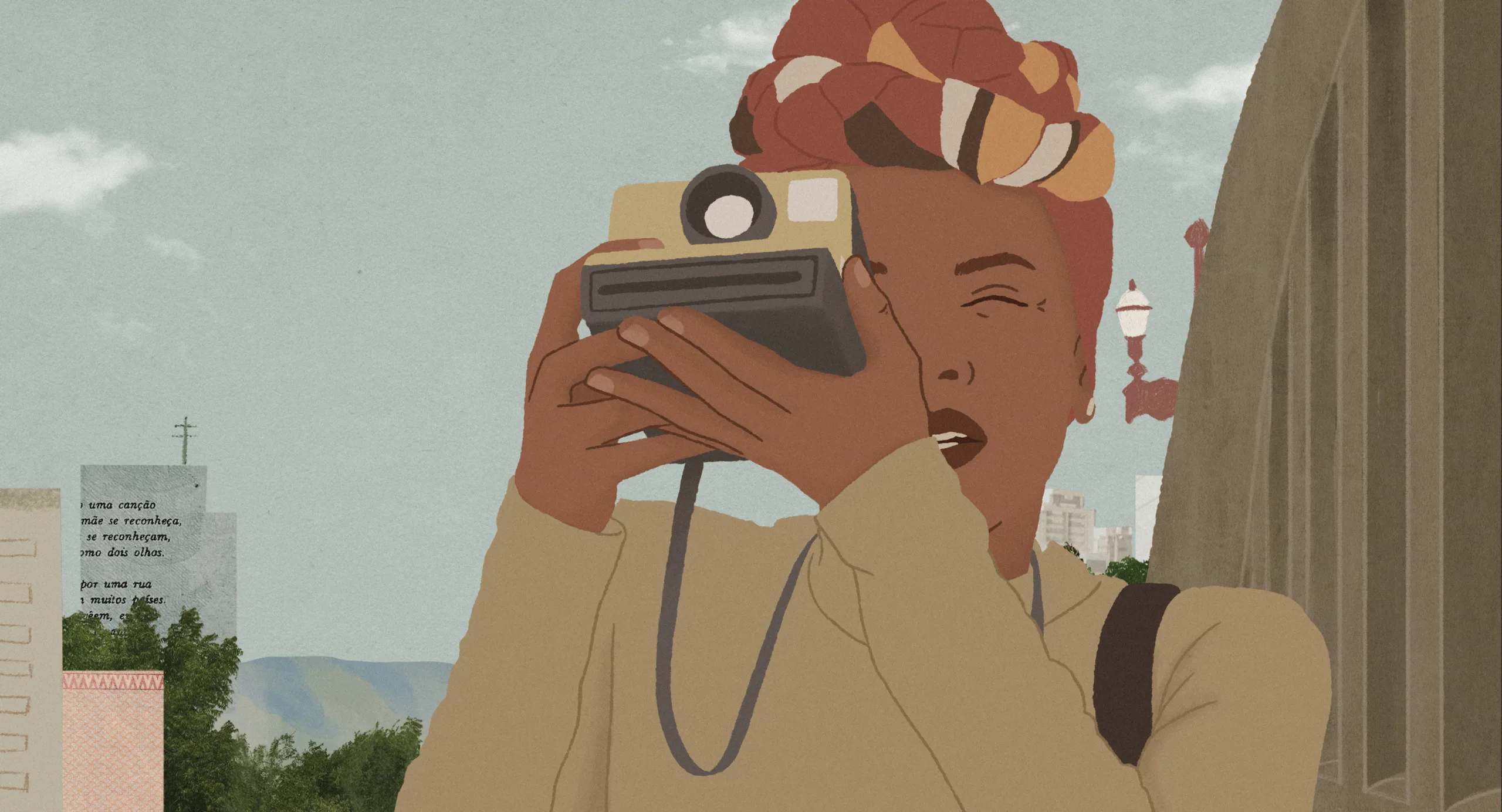
As a former art student, I’m a bit biased toward animation for its boundary-pushing, endless experimentation. “Ana, en passant” is an elemental collage, piecing together many styles and forms of media. This story of grief and memory is contradictorily beautiful; its poetic depth places personal growth as a byproduct of grief.
The film grounds itself in maternal lineage. Ana, a young woman in Paris, is sent on a journey by her grandmother back to her hometown in Brazil, where Ana meets Alice (both voiced by Jéssica Pierina). “I would cross an ocean to find you,” Ana’s grandmother says to her during their last 90 days together, a promise Ana fulfills as she searches for solace. There is no map for one’s memories. With documentary-like touches, “Ana, en passant” attempts to create a guide to recollection.
Meandering between present and past, between reality and daydreams, the story ebbs and flows naturally, yet at times it lets ambiguity linger, sometimes to its own detriment. Movement manifests in multiple ways, developing and driving the story forward. Although Ana is a writer, her inclination to move her body is an inherited habit from her dancer grandmother. Freedom to groove and sway is cathartic while also serving as a connection to ancestral energies. The film subtly showcases the duality of the female body, as Ana and Alice experience their respective growth at opposite stages of life.
“Ana, en passant” is visually surreal. With each new cityscape scene, the built environment unfurls like budding leaves. In doing so, the setting’s construction mirrors the natural materials it’s made of. The interior production design is stamped with postage and other analog symbols; the stationery-like materiality showcases a love for what familial archives are made of.
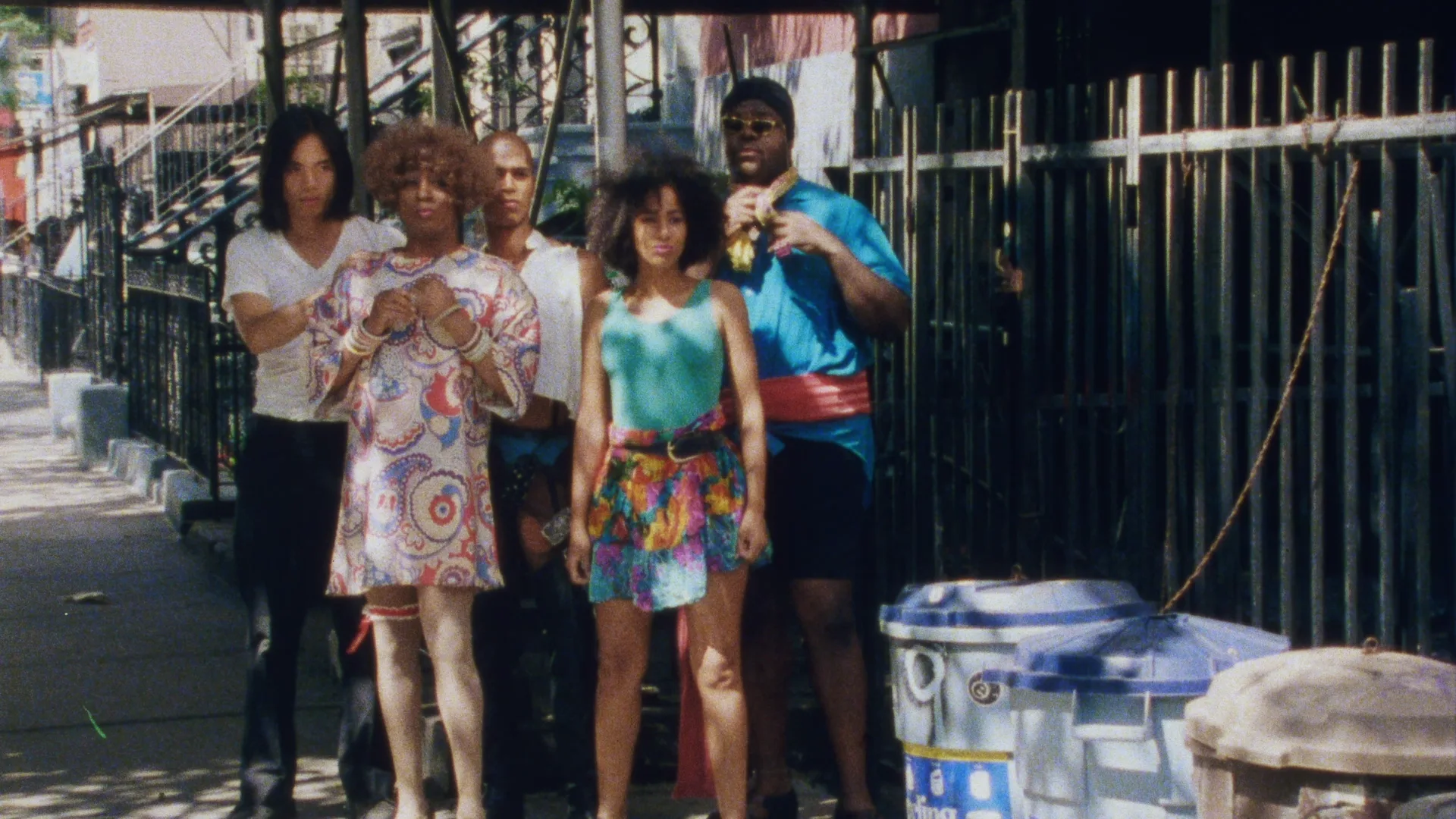
In 1996, “Chocolate Babies” was rejected from the Chicago International Film Festival program; 30 years later, Stephen Winter’s radical, queer film is finally screening at his hometown festival. Set in late 1900s New York, “Chocolate Babies” takes its audience on a wild ride of what it means to live as an HIV-positive person and the broader social and political battle that comes with it.
The movie opens with a gaggle of gays accosting their local city councilman, Melvin Freeman (Bryan Webster). Their vulgarity is backed by facts and statistics, making the problems they raise impossible to ignore, but, of course, the media pegs them as “gay terrorists,” which is just as funny as it sounds. Winter, who wrote and directed the film, strategically intertwines queer and political vernacular. In doing so, the comedic language is also truthful and alarming. “We are Black f****** with a political agenda,” Larva (aka Larry) (Dudley Findlay Jr.) shouts during one of their attacks. While “Chocolate Babies” has many messages for its audience, what’s most striking is how it spotlights care at the center of every interaction, even when it’s sassy.
After its 1996 premiere at the Berlin Film Festival and a brief festival run, Winter’s film never received formal distribution. Because of its somewhat inaccessible nature, it’s easy to call the film a “cult classic.” For its 25th anniversary, “Chocolate Babies” was restored and remastered by the National Film Preservation Foundation, giving the story new legs to be seen by new audiences.
At times, when the characters and city are silent, you can almost hear the film running, adding to the overall visual and sonic texture. Bolstered by the costuming and well-accessorized apartments, each scene’s colors are saturated, and the lighting’s warmth is captivating. This warmth shining on each subject’s face reminds us of their liveliness despite the disease they suffer from.
The long-lasting technical excellence of “Chocolate Babies” surely surpasses its original reception, but the story itself festers in the hearts of its viewers because of the performances. Winter never sugarcoats the realities the queer community faces, and what resonates most is the relationships he develops between his characters. The show showcases professional, platonic, romantic, and familial dynamics. When grief comes to visit, the love remains.