
Most of the time when I am near the end of a festival, I immediately wonder what I might’ve missed. There are so many major titles featuring big movie stars or by imperative filmmakers at Sundance, that it’s very easy to miss what could’ve been right under your nose. So on my last day of having Sundance’s immersive virtual platform available to me, I streamed a few films I’d heard fairly good word of mouth about. And while I didn’t necessarily agree with all of the outside assessments I heard about them, I did manage to grab a couple of smaller titles worth highlighting, particularly this dispatch’s first film.
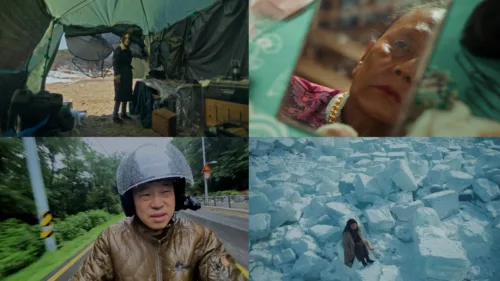
Wregas Bhanuteja’s rapturous, experimental drama “Levitating” features what might be the best opening scene of the year. Bayu (Angga Yunanda), a flutist, participates in a trance party with other musicians. Under his rapid melodic notes, a group of attendees leap, sway and contort in a euphoric vision conjured by his music. Asri (Anggun), who has a trance school, approaches Bayu and demands that he make the participants picture nectar. Bayu attempts to focus his melodic might on the entrancing Laksmi (Maudy Ayunda). As much as he tries, Bayu can’t quite concentrate. As the attendees lay on a dreamlike bed of flower petals, his chords cause sausages, eggs, and burning oil to rain down upon them.
Despite the poor showing, Bayu is still recruited by Asri to be a spirit channeler and he finds some romantic interest from Laksmi. Though both women are supportive, Bayu is possessed by a kind of bitterness. His father (Indra Birowo) wants to sell their family home to conniving land developers interested in building a luxury hotel and commandeering the village’s sacred water. Also, Bayu is wracked by horrific memories involving his mother. Those components allow “Levitating” to fill several generic buckets, from romance to family drama to horror.
While the film’s ambition in that sense can get the better of it, when its myriad of transcendental scenes do occur, they hit with incredible might. Hallucinatory moments that erase the line between spirituality and materiality reach so deep within one’s rhythmic soul that they exist on the edge of primordial. A mud dance, in particular, exemplifies the film’s hypnotic aspirations, especially as the nimble cinematography takes pleasure in allowing the powerfulness of the human body to move and occupy a fragile frame.
The film also has tender desires. Bayu must try to understand his father and to act with unbridled kindness if he can ever hope to find the type of spiritual enlightenment that’ll allow him to conjure with grace. That soulful want often papers over whatever rougher structural aspects exists in “Levitating,” allowing one to fly alongside what’s beautifully evocative film about forgiveness and transcendence.
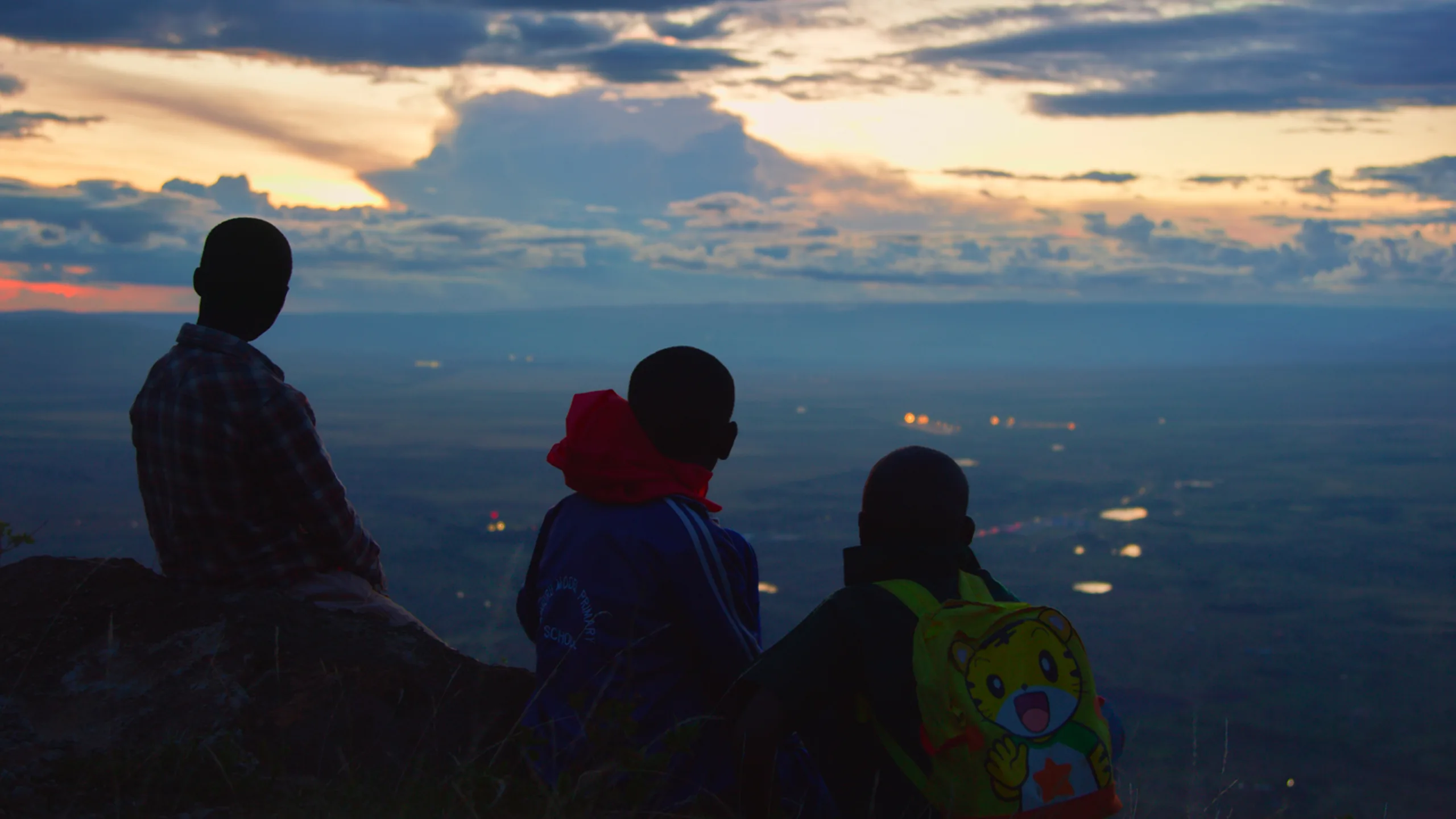
To the Kikuyu people, the land is the source of their identity. That identity was stripped away, however, in the 1930s when colonialists began tearing apart Kenya. Andrew Harrison Brown and Bea Wangondu’s “Kikuyu Land” is a determined investigative documentary that’s led on screen by Wangondu, who’s also a journalist. She delves into the upsetting history of how a people’s heritage, which was seized by craven multinational corporations, has fueled a slavish agricultural industry.
A conventional film composed of more sit-down interviews than it can fit, “Kikuyu Land” guides viewers through the colonization of Kikuyu homes, which were demolished to make way for exploitative tea plantations. The people who once thrived on this land were made subservient, forced to participate in a type of sharecropping. This practice was often positioned by officials, like Kenya’s 1950s colonial emperor Sir Evelyn Baring, as in the spirit of the white man’s burden. To politicians like him, they were doing the Kikuyu people a humanitarian service. In reality, as we discover through Wangondu’s interviews, women workers were often raped by plantation managers and few families broke away from the poverty that was systemically instituted by these owners. That inequality continues today.
This beautifully composed documentary, which features exceptional photography of the verdant Kenyan countryside, explores that imbalance via two avenues. First, it considers Wangondu’s own family history, which, when interrogated, can feel displaced and navel-gazey compared to the larger story. While it’s certainly important to contend with the roots of one’s privilege, and how ruthless inequity can cause one to step over others in a pursuit to escape those forces, such a tangled subject probably required far more time than the film grants. Instead, it’s the second path—the fight led by Kenyan activist Nganga Mungai against the National Land Commission (NLC)—that proves far more fruitful. Against the NLC, Mungai submits land disputes on behalf of the Kikuyu community. During his battle, we also discover the deplorable conditions workers contend with through undercover videos, which blur out workers’ faces, to show the vicious threats hurled by these overseers.
If you’re unfamiliar with where your tea comes from, this documentary will probably shock and disorientate you. And while this film’s approach is far too broadly focused for its specific subject matter, “Kikuyu Land” does well to raise an alarm against exploitative companies like Unilever. One hopes that this stimulating and well-researched documentary allows the Kikuyus to be heard.
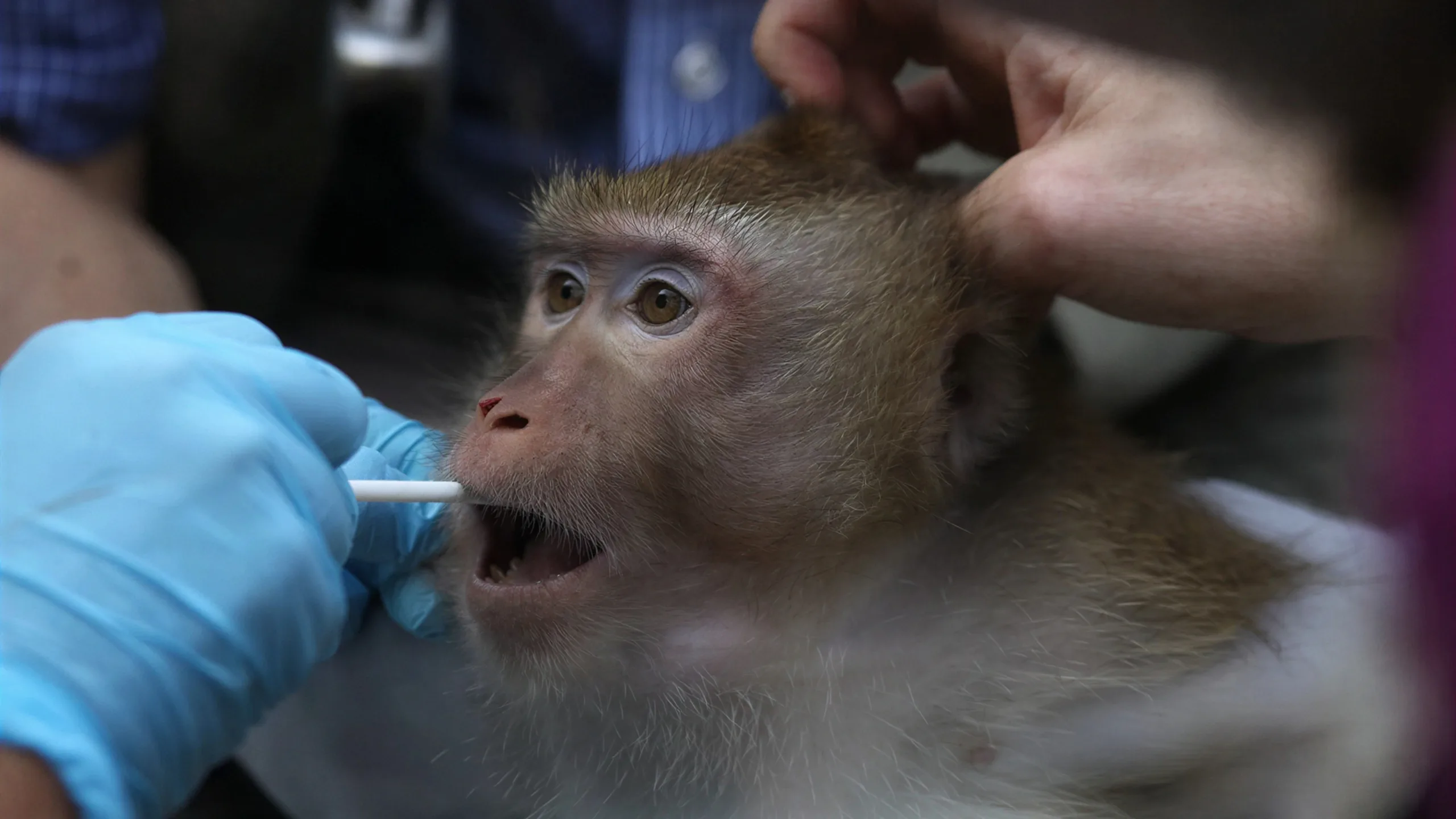
Not gonna lie; this one had me in the first half. Tony Jones’ “Sentient,” a bristling, often contrived critique of animal testing in the biomedical field begins with well-placed fury only to lose its way. Jones assembles a passionate cadre of talking heads, who span the sciences to contrast the past need for animal testing with whether it’s presently necessary. The most passionate of these experts is Dr. Lisa Jones-Engel, who recalls coming into contact with primates after writing letters to Jane Goodall, Dian Fosse, and Biruté Galdikas with the desire of becoming one of their assistants. Galdikas invited her to participate, which launched a career that would take Jones-Engel to LEMSIP, where she cared for chimpanzees who would eventually become test subjects themselves.
Through her painful memories and some harrowing footage of macaques—who are presently the science du jour—enduring cramped living conditions, violent capture, and debilitating trials, we’re forced to take in the emotional and physical toil that invasive testing inflicts on both humans and animals. The film, smartly, never dismisses the importance animal testing has had on our medical advancements, from polio to COVID, but stops short of calling it a necessary evil. Rather the documentary persistently asks whether a human life is inherently more important than an animal’s, particularly, if we’ve deemed them sentient. You can understand why the documentary leans on asking that question. It’s far easier for apathetic humans to dismiss animal testing if it’s done to a species that, unlike primates, is further away from us in terms of genetic markers. But that framing leaves the documentary open to viewers accusing it of privileging more human-like species.
Still, for much of its stomach-churning runtime “Sentient” accomplishes what “Blackfish,” which critiqued the living conditions of whales in captivity, did so well: the film puts in the headspace of primates like macaques by loudly telling us, often through an overly expressive score, how to feel about the pain we’re witnessing. It also takes heed to demonstrate the emotional difficulties faced by the scientists tasked with housing, caring, and testing on them. Many of them, like Dr. Sally Thompson-Iritani at Washington National Primate Research Center, question whether their past actions. Others like Behavioral Neuroscientist Dr. Garet Lahvis, consider whether scientists are leaning too much on animal trials, to the point of not fully considering the traumatic weight of their actions.
The film loses the plot, however, when it proposes AI, which is equally harmful to the environment as an alternative animal testing. It further slides into harebrained territory when it namechecks Robert Kennedy Jr. The film’s opposition to his demonizing of vaccines is counterbalanced by the film praising his decision to cease animal testing. Unfortunately, that measured approach is quite wobbly in the hands of these giddy talking heads. Jones’ inability to find a stable middle ground blanches the purity of his intentions, reducing his film’s potent message into an overwrought screed.