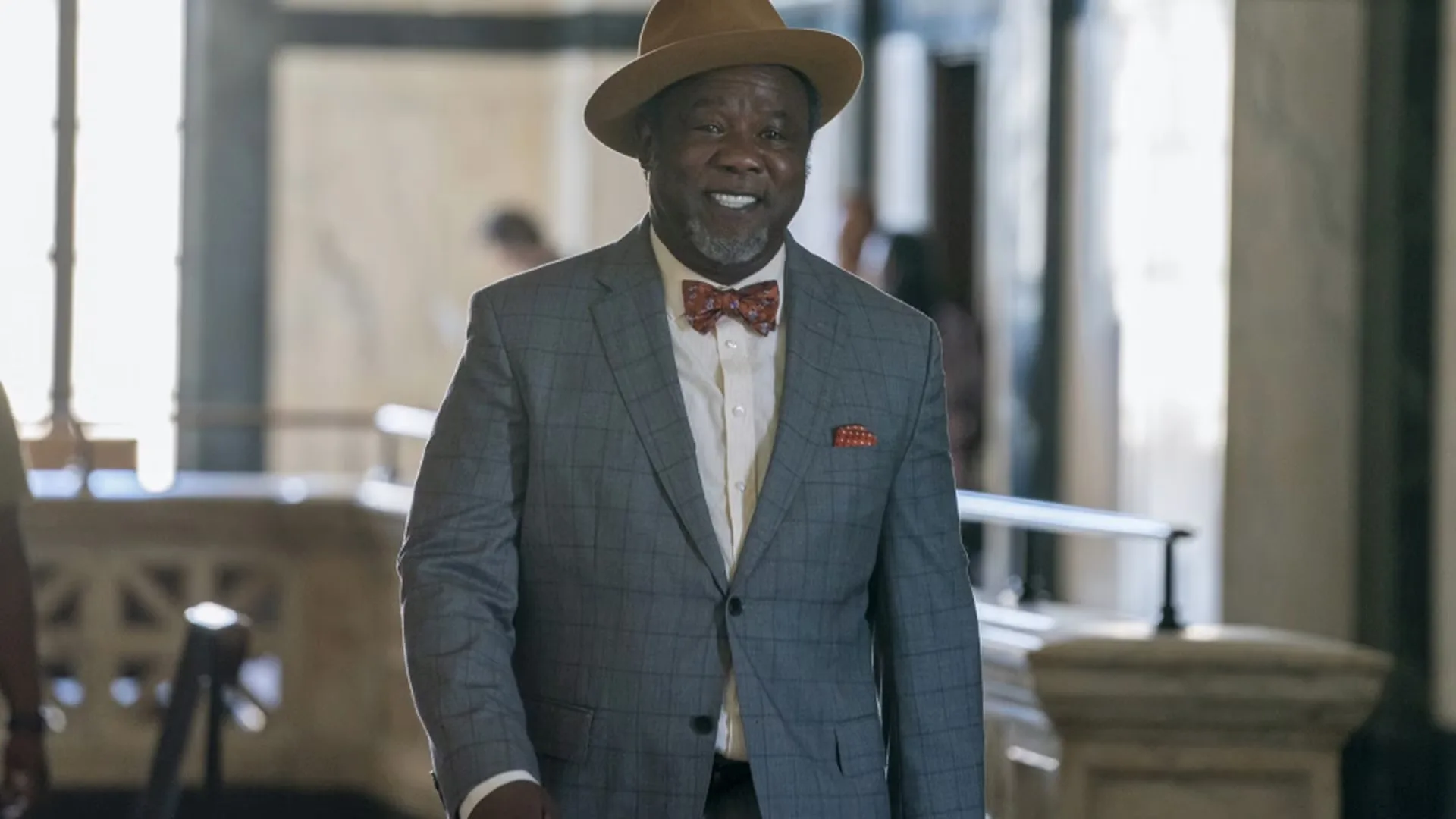
The world was startled and saddened over the New Year’s holiday week to learn of the passing of the great Isiah Whitlock Jr., someone whose presence enriched every project he joined. He was one of those guys who made you smile when he sauntered into a scene, aware of his screen presence and able to use it like a weapon. Certain character actors bring texture to films and TV shows by grounding scenes, playing a guy viewers feel they know, and who exists between the major beats of the story.
Whitlock didn’t steal scenes as much as he elevated them, becoming a part of the fabric of storytellers like David Simon and Spike Lee, who knew exactly how to use this stealthy genius. His manager posted the news, writing, “It is with tremendous sadness that I share the passing of my dear friend and client Isiah Whitlock Jr. If you knew him, you loved him. A brilliant actor and even better person. May his memory forever be a blessing. Our hearts are so broken. He will be very, very missed.”
Whitlock was a Midwestern kid, born in South Bend, where he attended John Adams High School. He was also an athlete, a football player at Southwest Minnesota State University, but an injury pushed him from the field to the stage, where he played a role in The Crucible. He caught the acting bug, joining the American Conservatory Theater in San Francisco after graduating, and taking off from there.
He had some small TV credits from the era, but his first two film roles are an amazing one-two punch of very different 1990 classics: “Gremlins 2: The New Batch” and “Goodfellas.” He’s memorable in the Martin Scorsese masterpiece. Still, he would really take shape in Lee’s “25th Hour” as Agent Flood, where he first uttered his trademark pronunciation of a certain profanity, one that would then be incorporated into future projects, and made most famous repeatedly on “The Wire.” The word became so associated with Whitlock that he marked Twitter’s move to 280 characters with a memorable use of the new space. He would claim it took nine “e”s to say it right.
Whitlock would work with Lee repeatedly, appearing in “She Hate Me,” “Red Hook Summer,” “Chi-Raq,” “BlacKKKlansman,” and “Da 5 Bloods.” Lee recognized Whitlock’s strengths, making him a valuable part of his regular player roster. Other film highlights include “Not Fade Away,” “1408,” “Pieces of April,” “Pete’s Dragon,” and “I Care a Lot.”
Whitlock was also a significant presence on television, starting with recurring appearances in the “Law & Order” universe in the 2000s and 2010s—he appeared in 14 episodes across the franchises—but he will likely be most remembered for State Senator R. Clay Davis on David Simon’s “The Wire.” Whitlock captured the kind of corruption that comes with a smile: someone who acts like they’re a supportive part of the community, doing everything in their power to line their own pockets instead of acting in their constituents’ interests. He’s a guy who lives under a constant cloud of investigation and immorality. Whitlock doesn’t play him like a mustache-twirling villain, instead treating him like so many real-life opportunists who wield power with casual malevolence. Even Stringer Bell wanted him dead.
His cynical comic timing made him a perfect fit for the world of “Veep,” where he appeared memorably in seven episodes, and he was also memorable with recurring roles on “The Mist,” “Your Honor,” and last year’s “The Residence.”
We’ll leave the final word to Spike Lee, who posted a great photo of him and Whitlock on Instagram last week, writing: “Today I Learned Of The Passing Of My Dear Beloved Brother ISIAH WHITLOCK. GOD BLESS🙏🏾💜🙏🏾💜🙏🏾💜🙏🏾💜🙏🏾💜”
God bless.