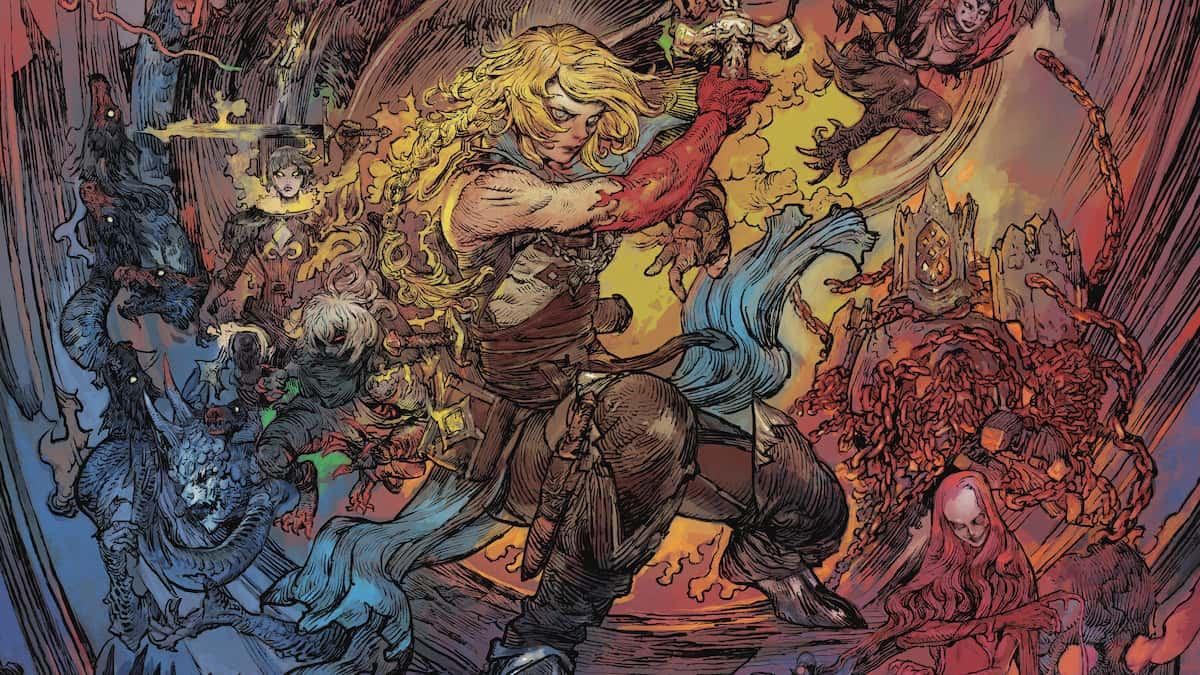
Here’s what fans of the legendary “Castlevania” series want to know: “Belmont’s Curse” is as good as you hoped, maybe even better. It is a rollicking throwback to the side-scrollers that were so formative they helped launch a genre—the term “Metroidvania” owes half its portmanteau to this series—while still feeling clearly made by modern, brilliant developers.
It seems like we get a couple of great Metroidvanias every year lately, with series like “Dead Cells” and “Hollow Knight” taking the gaming world by storm, and “Belmont’s Curse” is the best, at least so far, for 2026: A gripping reboot that remembers what made this franchise an influential success in the first place while never feeling like pure homage. It’s fun, challenging, and addictive. Just like the “Castlevania” games you remember.
“Castlevania” turned forty last month, but its most definitive game arguably didn’t arrive until 1997’s “Symphony of the Night,” a masterpiece that shaped player expectations for a Metroidvania with its puzzles, nonlinear level design, hidden secrets, and RPG elements. You can see the DNA of “Symphony,” one of my favorite games of all time, in “Belmont’s Curse,” a game set chronologically between 2005’s “Castlevania: Curse of Darkness” and 1989’s “Castlevania: The Adventure.”
“Belmont’s Curse” opens with Rose Belmont (Abby Trott) arriving in a skeleton-infested Paris with her father, Trevor Belmont (JB Blanc), one of the Castle-verse’s most famous characters. Shortly after arriving, Rose discovers she’s on her own, pushed into a hero’s quest that includes infamous characters from history, literature, and even recent iterations of this universe—Alejandra Reynoso and Graham McTavish return to voice Sypha and Dracula, respectively, as they did in the animated series. Of course, the main goal is to stop Dracula from unleashing Hell on Paris, but that’s only a slice of the storytelling pie here, one enriched by characters from across the games.
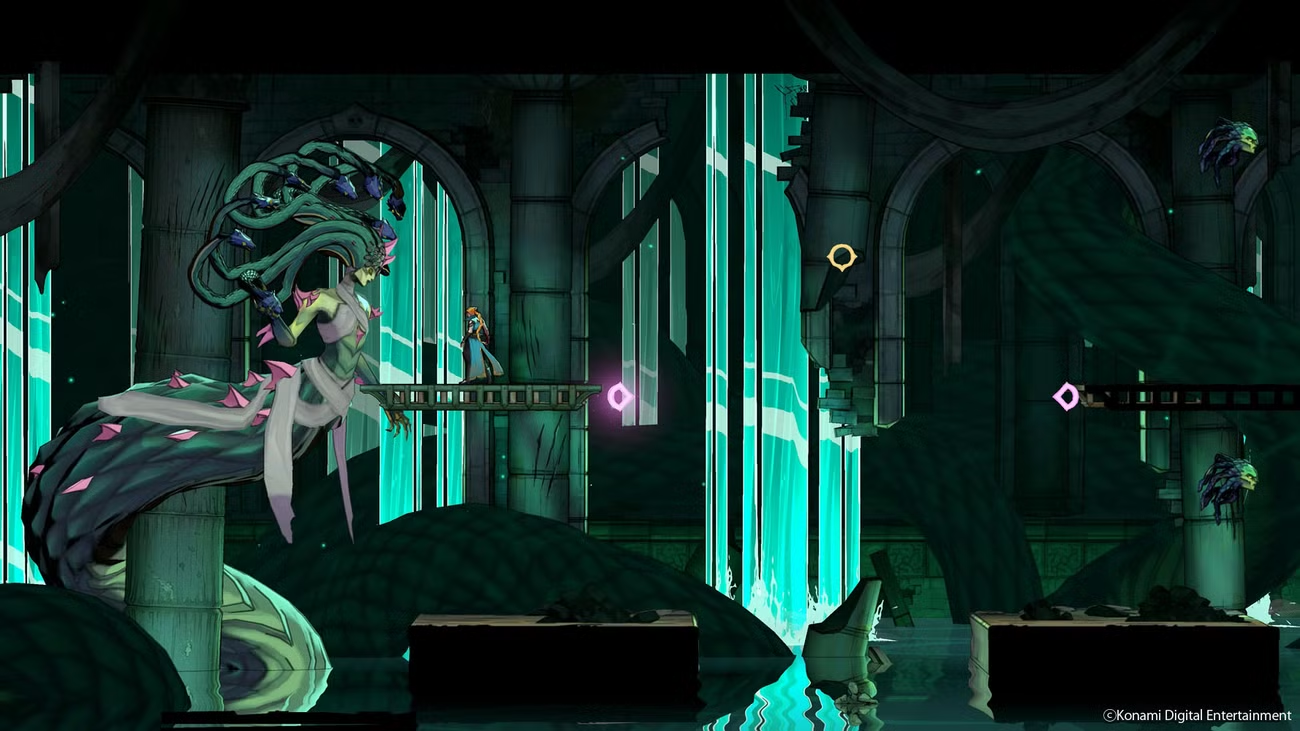
To gather enough strength to take on Dracula himself, Rose seeks out a series of enemies, starting with The Fallen (Ray Chase), then moving on to Joan of Arc (Erica Lindabeck) and Medusa (Melique Berger), before facing about a dozen others. When Rose defeats a boss, she not only gains a power from that enemy—like Petrifying Gaze from Medusa or an amazing power to shoot flames from the ground from Joan that became her go-to through most of the game—but they become a sort of ally, a character to whom Rose speaks as if she’s keeping it in her satchel. The narrative structure of “Belmont’s Curse” keeps it fresh: Rose isn’t just growing stronger like a standard RPG with new weapons and spells, but is almost assembling her own team of Castle-vengers.
Of course, to do so requires an incredible amount of traversal. The Metroidvania is defined in part by nonlinear level design, and how it works can be essential to a game’s success or failure. “Belmont’s Curse” doesn’t have a gigantic map, but it does have one that keeps opening up new sections as Rose gains power. For example, a section may be unreachable until Rose learns to dash or double jump, so you’ll have to come back later.
The developers of “Belmont’s Curse” use this technique to guide you through the game without ever feeling like you’re moving in a straight line. In a time when hand-holding has become a hot topic with the controversy around “Marvel’s Wolverine,” this game does just the right amount of it, although I’ll admit to wandering for about an hour at one point because I couldn’t figure out for the life of me what the story wanted me to do next.
Other than that little blip that could be written off as a long week, “Belmont’s Curse” brilliantly rewards exploration, forcing you to backtrack and check your map to see what you might have missed, but also designing the game in such a way that you will often organically stumble upon where you need to be. One can tell that it was developed by the team behind the incredible “Return to Castlevania” expansion for “Dead Cells,” one of the best games of its era. Konami saw how well that worked and passed the whip to them for this revival, which is one of the smartest decisions this historic company has ever made.
While combat in “Belmont’s Curse” might look rudimentary to an onlooker, there’s more nuance to it than merely strike and dodge. Rose comes across over a dozen weapons of increasing strength that can be chosen based on preferred gameplay, and she utilizes the aforementioned Arcanas or powers of those she defeats, which can also be upgraded through gameplay. It’s not overwhelming RPG customization, but just enough to make a playthrough feel personal and pliable.
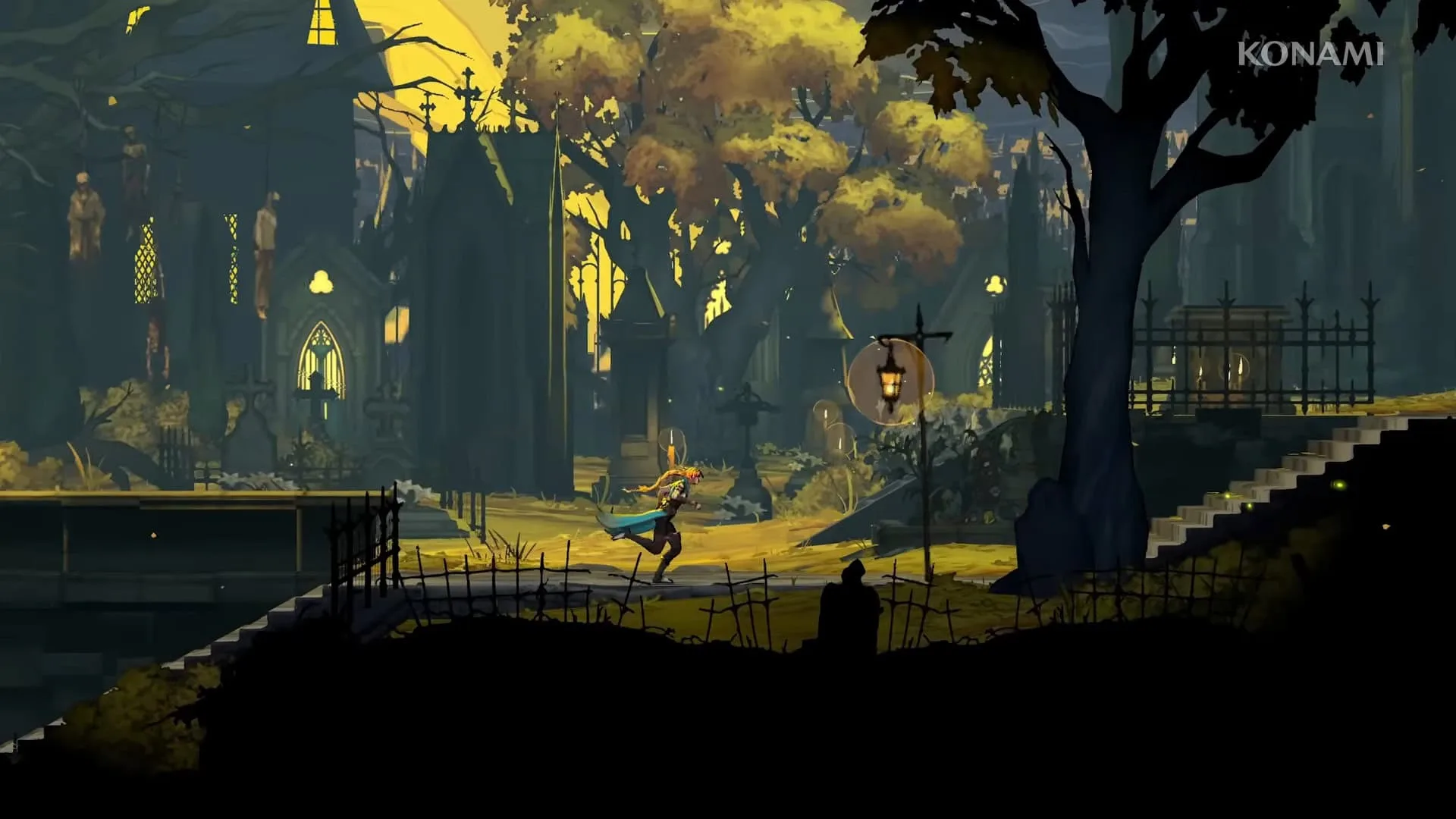
Finally, there’s the look of “Belmont’s Curse,” something else that might initially seem dated to someone stumbling into the room but hides remarkable detail, often in the painterly backdrops. From levels set in Paris & Notre Dame, from a wicked Clock Tower down to slimy Catacombs, the levels in “Belmont’s Curse” are one of its greatest strengths, filled not just with challenging puzzle design but marvelous visual cues and inspirations.
If the game has a technical weakness, it’s a repetitive, somewhat exhausting score that feels like a throwback to the ‘80s and ‘90s iterations of this franchise, but it can be an aural enemy when you’re struggling with where to go next.
In the end, “Castlevania: Belmont’s Curse” should totally satisfy both hardcore fans of this series and those who have never picked up a Vampire Killer. With great voice work, beautiful level design, and vibrant storytelling, it’s a reminder of why Metroidvanias became an entire genre. And maybe that no one does it better than Konami.
The Publisher provided a review copy of this game on PS5. It will be released on October 15, also on Nintendo Switch, Windows, and Xbox Series X.