At RogerEbert.com, we try to assemble dispatches of three films around forms like documentary, specific programs like Midnights or Galas, or even themes like theatre and youth. What happens is that there will inevitably stragglers: Films that don’t have dance partners but still deserve coverage. This is one of those, a partnership between two films with nothing in common other than I saw ‘em and thought you might want to know if they’re any good. They are.
Actually, one of them is great. The Lebanese heist drama “Furies” is one of the more confident and riveting debuts of 2026, a story of two sisters fighting back against a broken system. It’s got incredibly strong visual language that works to amplify the tension of a story that never stops moving. Director Rami Kodeih has made a movie that’s a clever inverse of the standard heist formula in that it’s not about taking someone else’s money; it’s about getting your own back.
In 2019, the banking system in Lebanon collapsed, which meant that people couldn’t get their own money, funds they earned to put a roof over their heads and food on their tables. Imagine being homeless because a bank essentially lost your money. Kodeih sets his backdrop with a harrowing scene in which a man walks into a financial institution, douses himself in gasoline, and threatens to immolate if he can’t get his money. That’s the environment in which this story will unfold, one that moves like a thriller for over two hours.
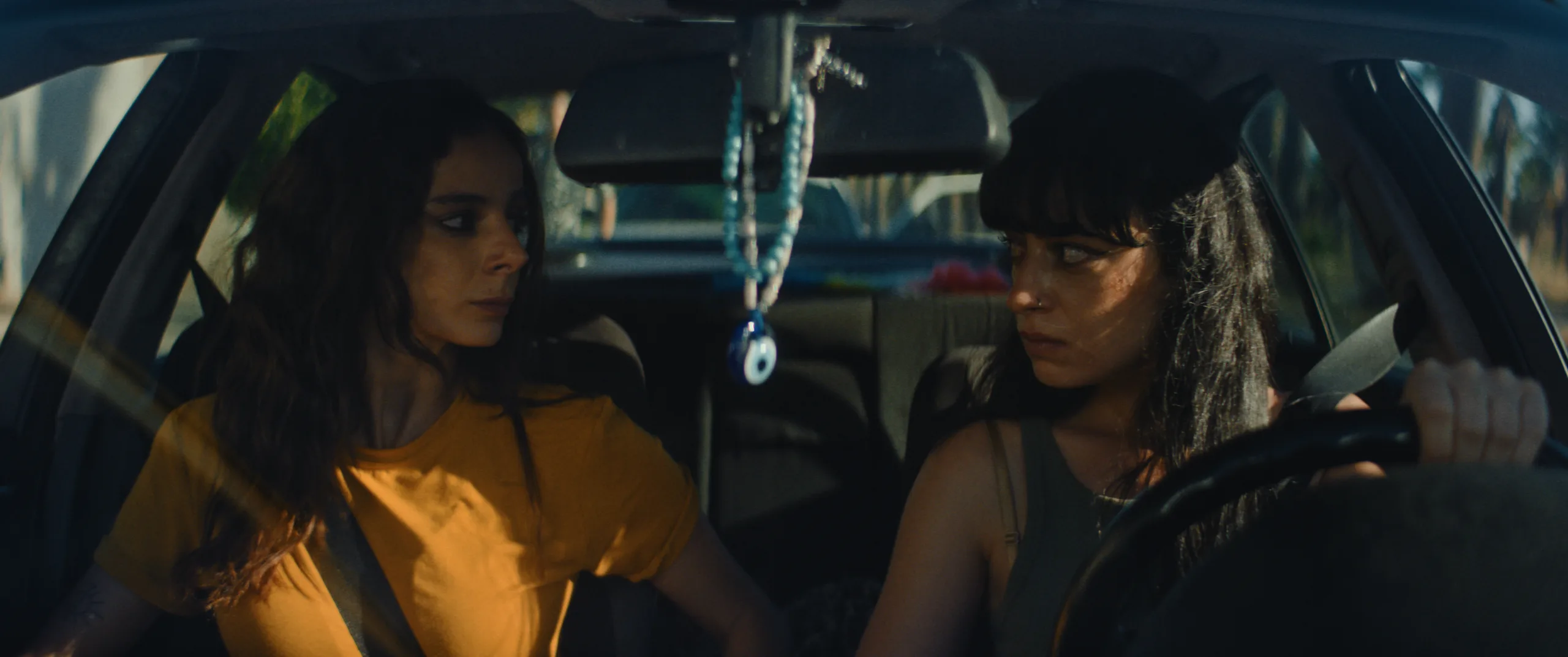
“Furies” takes place in 2022—so three years into this national nightmare—and Dalia (Maria Nakouzi) has been diagnosed with uterine cancer, which she can’t afford to treat because of the financial crisis. Her sister Maro (a mesmerizing Rym Mroue) lives in perpetual rage as well, being told she can’t get into her savings account to help her sister. It won’t matter that they caught Dalia’s cancer early if they can’t pay for the treatment to stop it from spreading. It’s an original addition to the ticking clocks we so often see in heist movies: In this case, it’s to stop a cancer from growing.
After a confrontation in the bank, Dalia stumbles into the life of a concierge (Hadi Bou Ayash), who just happens to share a wall with the hallway that leads to the vault. Dalia almost instantly starts planning a heist. They’ll break through the wall, and run off into the night with the money that’s actually theirs anyway. They find a pair of co-conspirators in men named Sunshine (Issam Bou Khaled) and Hamza (Hasan Akil)—the former a melancholy foundation for the quartet, and the latter a wild card who seems the one most likely to mess it up. To the film’s credit, all four characters feel distinct and genuine, never getting lost in the heist machinations, but it’s the perfectly sisters you’ll remember.
And, man, are those machinations fun. A sequence in which the two men stage a fight in the street to distract from the noise being made by the destruction of the wall is breathtaking, one that feels like it could spin out of everyone’s control in an instant. It helps a great deal that Kodeih and his team find a sweaty, shaky visual language to the film. Even in conversations, the camera is always slightly moving, as if it’s too restless to stay still. It’s too furious.
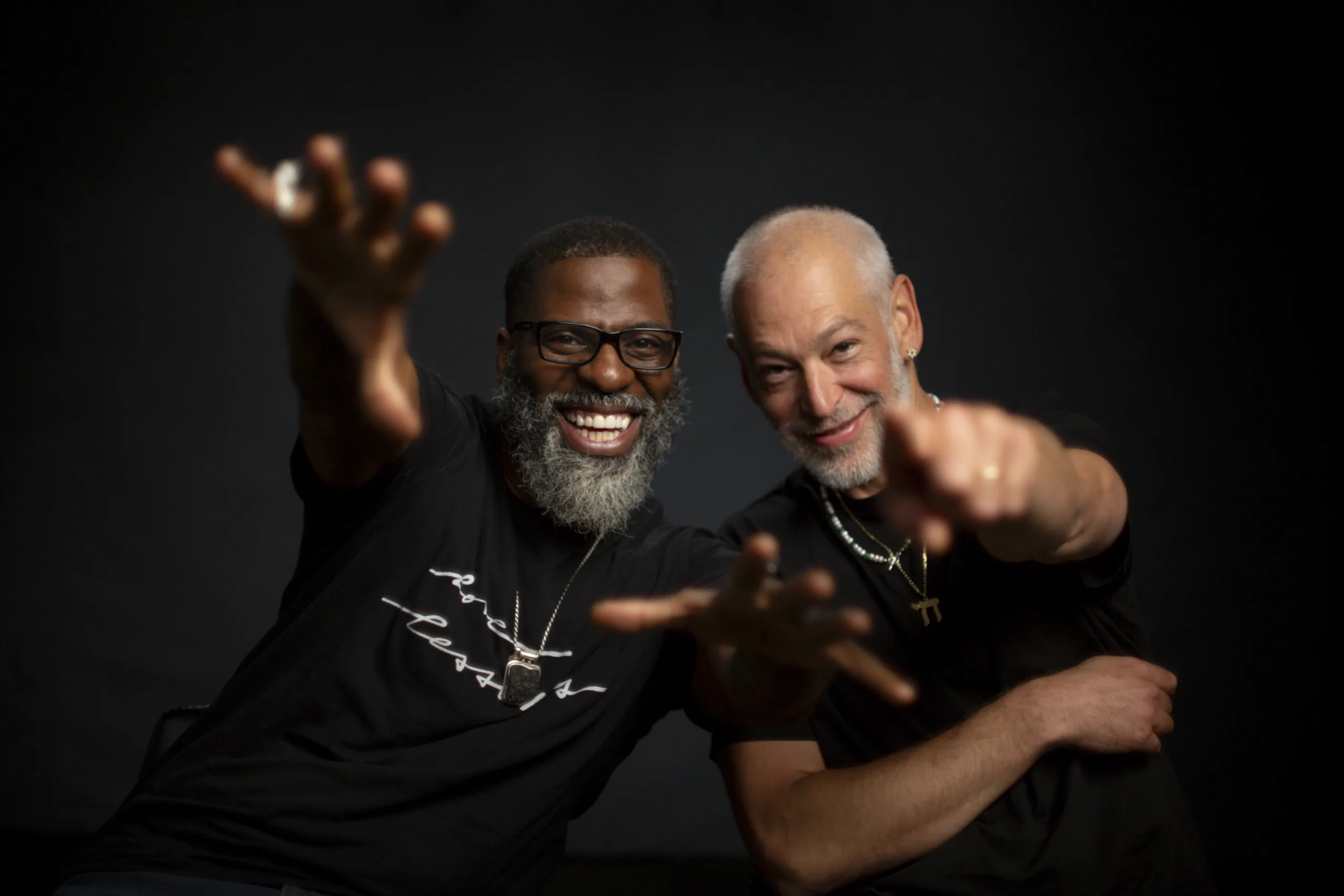
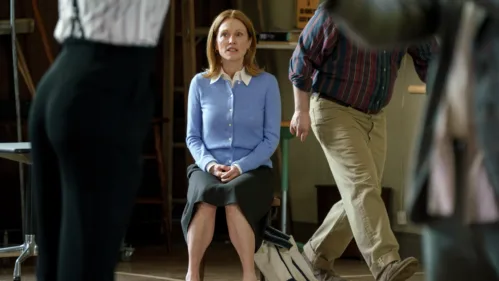
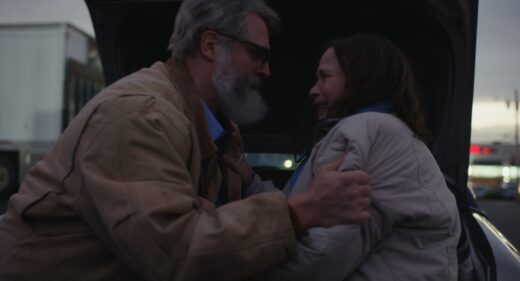
Finally, there’s Lacey Schwartz Delgado’s effective documentary “Re/Pair,” a film with an engaging concept: Conversations between Black and Jewish people about the ties and divides between their communities. As is naturally going to be the case with a project like this one, some of these pairings are more effective than others (some feel like they should have been cut entirely), but most people seem engaged by Delgado’s project, often speaking personally and honestly about stigma, history, and personal revelation.
The truth is that connections between the Black and Jewish communities have been crucial to world history—just look at how entertainment and politics have been shaped by them for a place to start—but the 2020s are a unique time to take this snapshot, from the wake of what’s happening in Gaza to responses to BLM to even Kanye West. To its credit, most people here don’t avoid the tough subjects, even it sometimes feels like there are too many of them to be thoroughly addressed in a feature film. This is the stuff of 400 pages of the written word in a dense book, but it does feel like Delgado recognizes that these conversations are starting points and not conclusions.
Delgado pairs 38 people across 19 conversations. Some are instantly recognizable like W. Kamau Bell, Van Jones, David Schwimmer, Matisyahu, Rhymefest, and Ashley Jackson, daughter of Jesse (and, yes, they do get into his “complicated” relationship with the Jewish community). To the film’s credit, this is not an oppression competition, although the conversation does hit a lot of historic moments from the last 100 or so years. Of course, not all participants are created equal, although the batting average for eloquence is impressively high. There are only a few where one might have hoped for a back-up.
“Re/Pair” is at its best when it’s at its most personal. Hearing Matisyahu speak on how he was attracted to the music of Bob Marley because he used words that were being said in synagogues (like “exodus”) is a fascinating cultural detail, and he’s partnered well with the great Rhymefest in discussing how Jewish and Black music have intertwined. Robert Klein does great commentary on the history of Jewish humor and just consider how many impactful stand-ups have been Black or Jewish.
Delgado allows for some conflict and criticism—one interesting chapter discusses how many attacks on DEI came from Jewish writers—but “Re/Pair” ultimately feels a little afraid to really break the skin. To her credit, however, she’s not preaching unity and forgiveness either. This is not a “let’s all get along” documentary as much as a call to question the impact of what it means when we don’t.