And so the doors close on another year of the Fantasia International Film Festival—my seventh or eighth year covering in general, and the third covering for this site (and, blissfully, in person). It’s always a surreal experience to be back in Montreal each year, seeing the same faces and fellow critics I’ve admired and called friends, or even worked with as editors and employees (Horror Queers co-host Joe Lipsett, who used to edit for me at The Spool) and coworkers and publicists, albeit from afar. (Of course, it’s also nice when fellow Chicagoans accompany me to the fest; looking at you, Dede Crimmins of Rue Morgue.)
But Fantasia lasts so long, and I can only really be there for one week out of the whopping two-and-a-half, which means the latter part of my journey is often spent reflecting on what I’ve seen, catching up on what I couldn’t see in person, and doing so much writing. But mostly, this has been a year of growth for me: These weeks happen to fall on some pretty bittersweet anniversaries, and there are a few places in Montreal that are colored with the pain of those memories. It’s fun, but can be taxing, and I lean on loved ones (including my spouse, whom I’m lucky to get to accompany me each year) to get me through the harder moments.
Each year I go, it gets just a bit easier; the halls of the hotel I stay at don’t feel quite as haunted with the echoes of anguished phone calls from now-broken friendships, or glimmers of best friends now long since passed. Hell, I watched the moment Joe Biden dropped out of the 2024 presidential race on Canadian news channels my first year there. It has been, as the French-Canadians presumably say, un montagnes russes.
For as emotional as the fest gets, though, there’s always the movies; I’m always so struck by how genial and scrappy Fantasia gets. Sundance, Cannes, etc. are all prestigious festivals, and you’ll see the stuff there that ends up becoming awards fodder, or even box-office hits, months down the road. But Fantasia is a celebration of the scrappy, the scary, the endearingly local, true working-class filmmaking at work from artists all around the world (and, most charmingly, in Montreal itself) just looking to cobble together some money and make something work. The Louise Weards and Alice Maio Mackays and Adams Families of the world aren’t raking in A24 dollars for their works; they just want to express something, and will throw together whatever financing they can muster from crowdfunding, patrons, or even their own personal savings just to put something together they can screen in a repurposed lecture hall at Concordia University. And it’s so often worth it.
I’ve been happy with the films I’ve seen here and the experiences I’ve had, and I wish I had time to give all the pictures I witnessed the space they deserve on these here pages. But here are some that deserve mention:
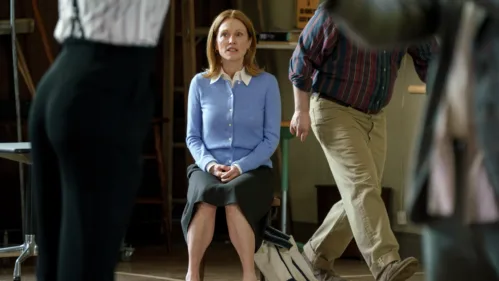
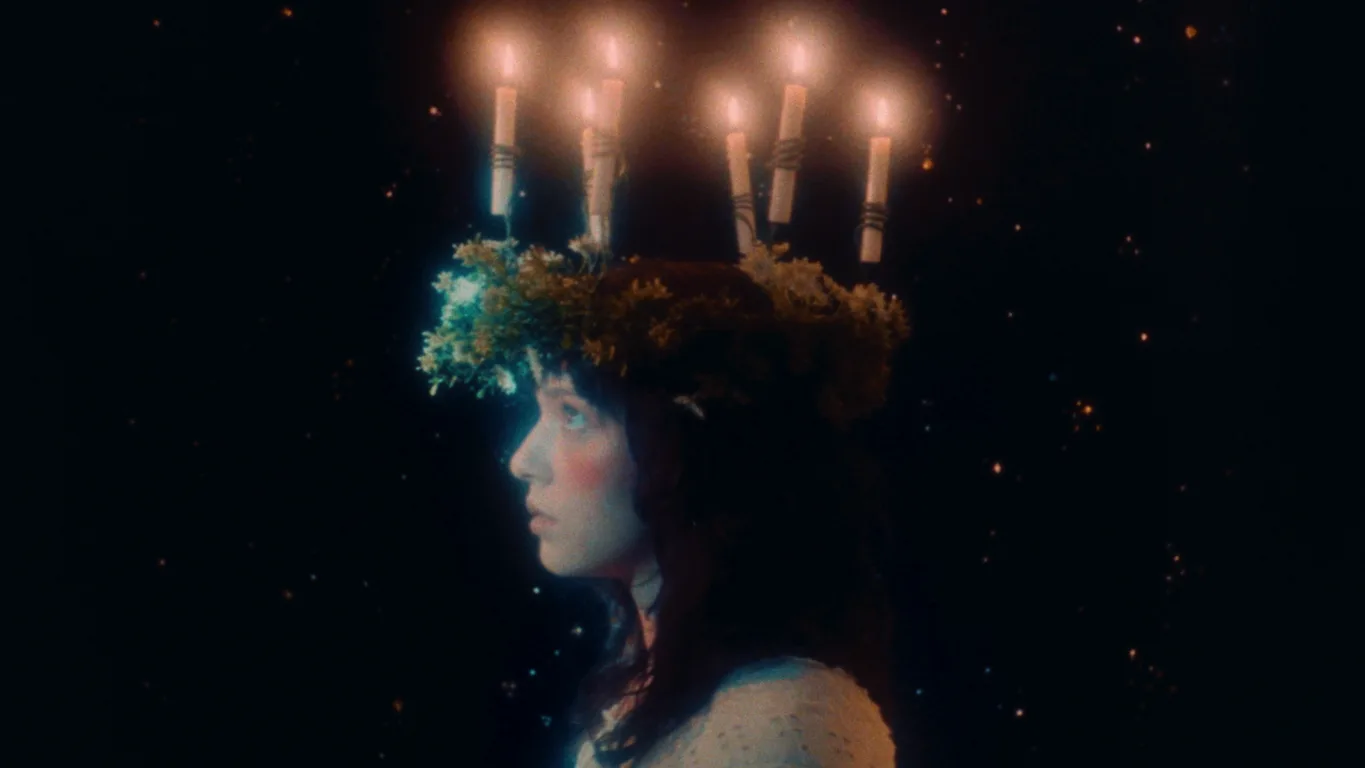
“Insectacy”: “I don’t want to make love. I want to be eaten alive.” Sadie (Tirion Healy) can’t get off unless she feels insects crawling all over her body, which is maybe the most succinct way I can describe Angus Silver’s dreamlike, kinky debut. There’s something of the Czech Weird Wave in Silver’s stately, folkloric tale of an antisocial nurse slowly coming undone (or metamorphosed?) by her unconventional desires; he captures Healy’s enigmatic visage not unlike Jaroslava Schallerová in “Valerie and her Week of Wonders.” It’s darkly funny, occasionally to the point of anti-humor, but through all of its deadpan approaches, it shows a very radical agency toward the desires of its protagonist, and centers her desires in a way that feels very empowering.
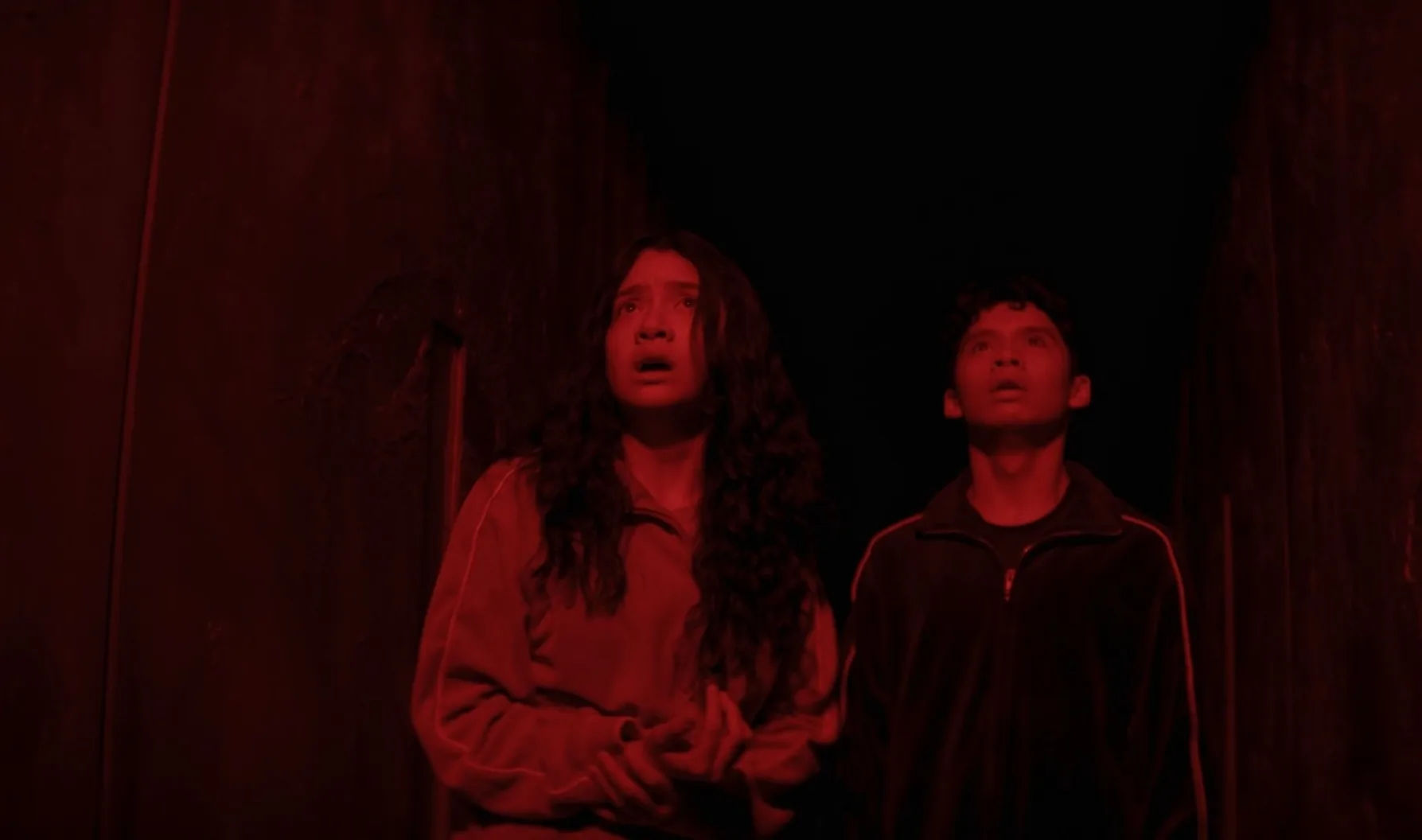
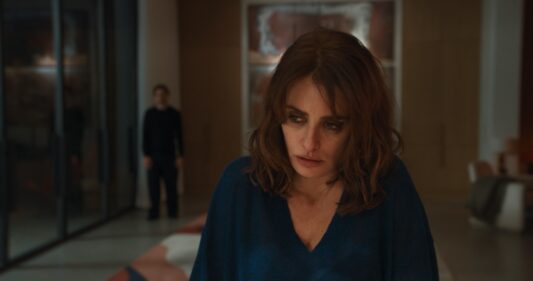
“Home Bodies”: Locked-room sci-fi horror flicks are my catnip (See my irrational love for Vincenzo Natali’s “Cube”), and Casey Walker’s high-concept premise seems tailor-made for me. The film centers on a pair of young twins (Ian and Emma Ho, from the final season of “The Expanse”) who’ve been raised their whole life in an isolated bunker-like smart home, nourished only by the food, water, and entertainment provided by the computer-like voice of their “Papa” (Walker).
But their quiet equilibrium is disturbed by the arrival of a mute, teenage-looking android called “Pal” (Ess Hödlmoser), whose provenance and purpose threaten their delicate balance. Love the scrappy production design and the central performances; there’s something here about the social isolation of COVID kids during lockdown, as well. But the film doesn’t do as much with the premise as I’d like, and it’s let down by a final act that offers solutions that are a bit too predictably neat and tidy. (Shame about that credits font, too; it screams “1990s PC space combat simulator game,” and it’s barely readable.)
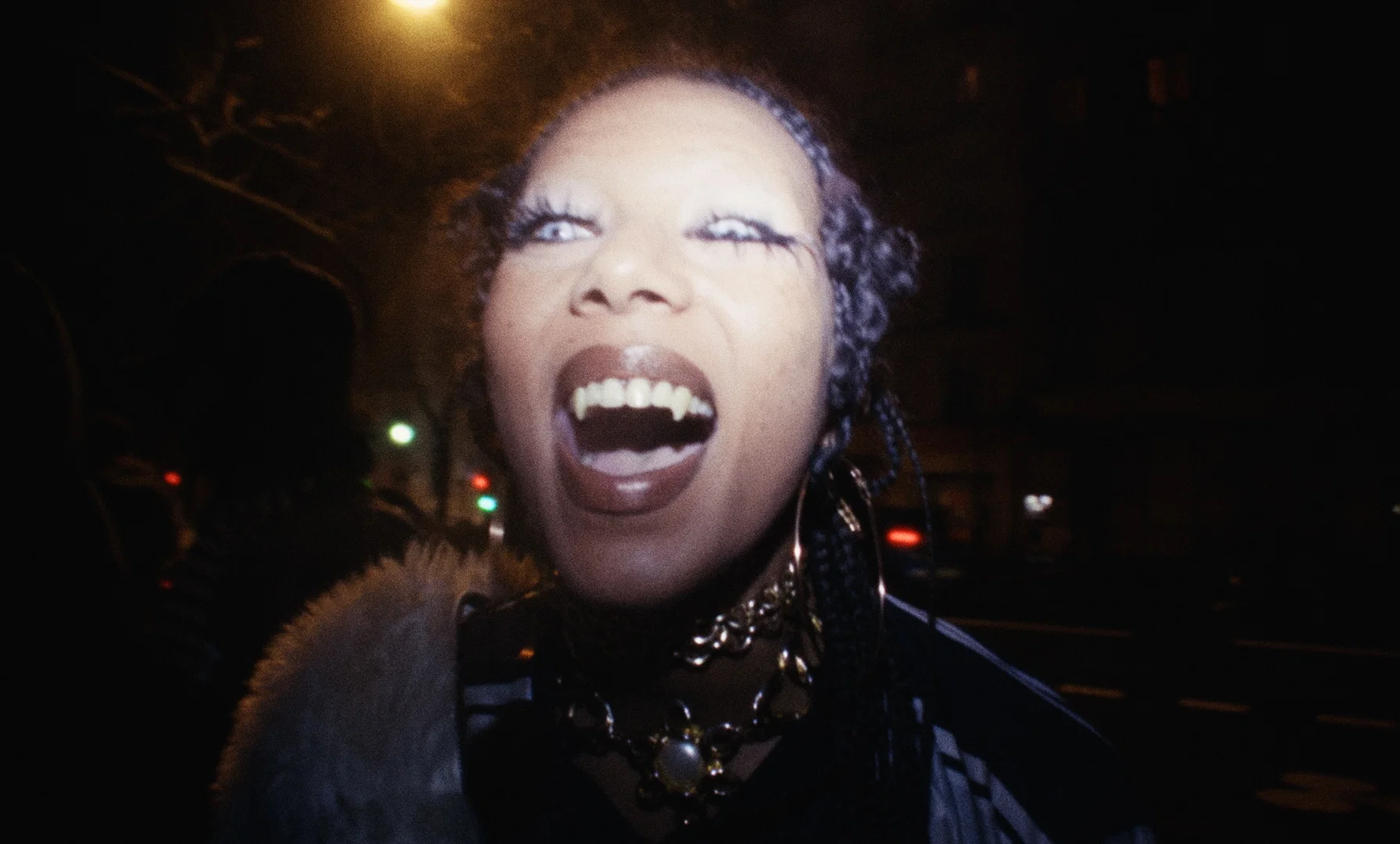
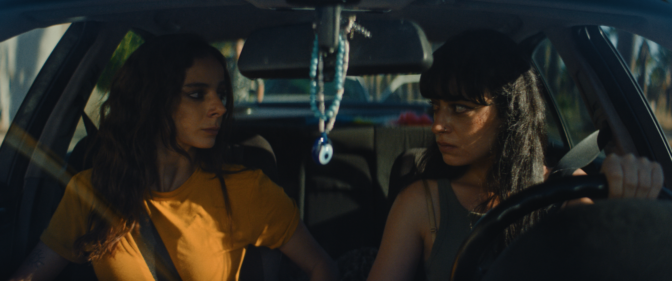
“I Love Paris”: If you’re looking for something to scratch that “What We Do in the Shadows” itch, with an added dash of “Bones and All” and maybe “Euphoria,” Nicky Murphy’s “I Love Paris” is a welcome balm. Where “The Vampire Lestat” injects vampirism with a big dose of glam rock, Murphy’s mockumentary-style film imagines a young, hopeful Billie Eilish type: Aminata Thiboult’s Paris, a young, brash pop musician who’s still struggling to get into festivals, and sees her recent love bite just another tool in her arsenal to achieve the fame she truly hungers for.
Murphy and Thiboult (who co-write) take us on a whirlwind tour through Paris’ underground nightlife scene, capturing its own innate nocturnal rhythms while Paris and her rapidly growing entourage look for new necks to open and new contacts to further her career. Thiboult is so very magnetic in all her laid-back recklessness; it’s a commanding performance that draws you in with each tossed-off excuse or frustrated roll of the eyes. Vampirism and the attention economy have hardly ever felt so intertwined as here.
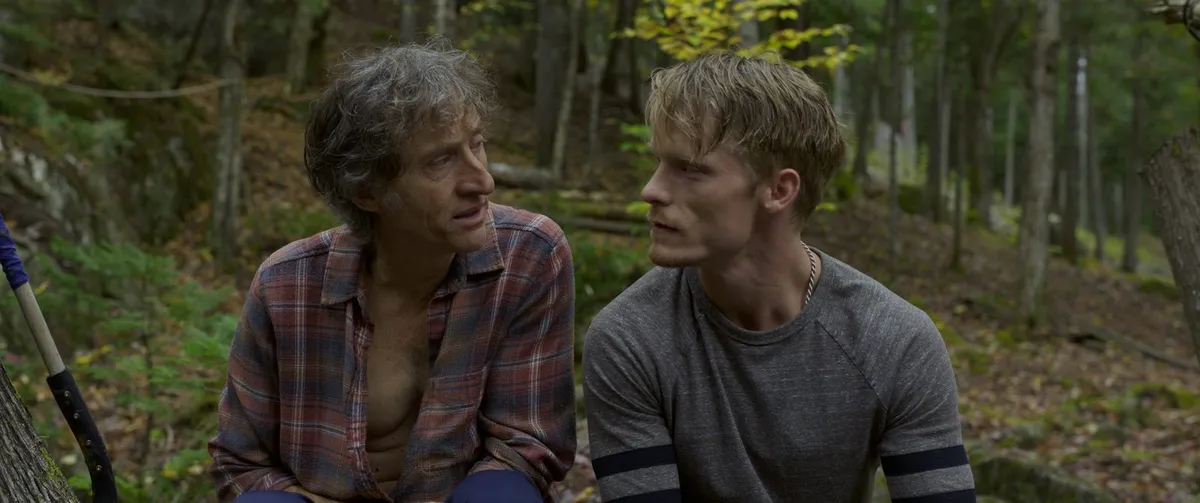
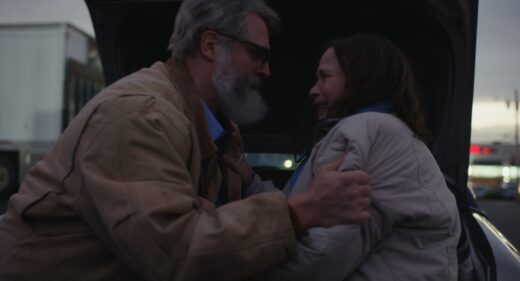
“Tight Lettuce”: Now this one surprised me, a sobering but winsome addiction dramedy from Harrison Houde, who adapts a real-life story of a friend’s lifelong efforts to help his father overcome his addictions and self-destructive spirals. It’s the kind of tale that would feel pat and overly sentimental in the wrong hands; here, with a small crew, modest aims, and the cultural specificity of its Quebec setting, there’s something magical here. Think “Beautiful Boy” in reverse, with a caring, empathetic son (a soulful Dakota Daulby, who co-writes) staying close to his father (Emmanuel Bilodeau) as he smokes crack and does fentanyl and turns everywhere he lives into a dump.
Houde’s command of his cast is supreme here, teasing out gentle, lived-in performance from all of his actors. The real standout here, though, is Bilodeau, offering a real warts-and-all performance of a man who gets people to ignore his addictions with his irrepressible charm, grinning through yellow-stained teeth, pain barely contained in his wrinkled, drug-ravaged face. His gravelly voice, sounding somewhere between Québécois Gru and Larry David, also offers some of the most unusual, invigorating line readings I’ve heard in a minute.