
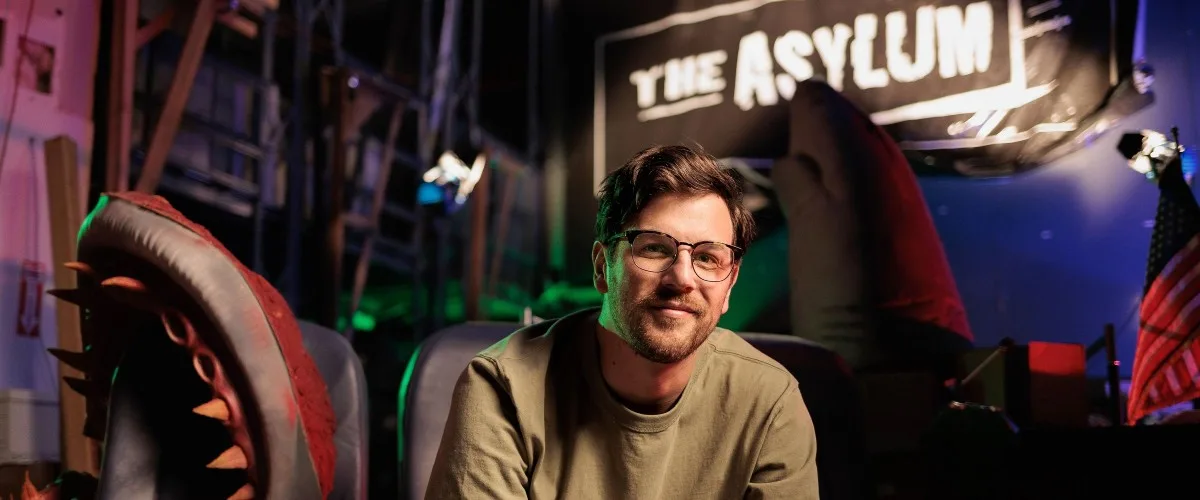
“We make shitty movies for people with bad taste … and alcoholics.” – Paul Bales, The Asylum
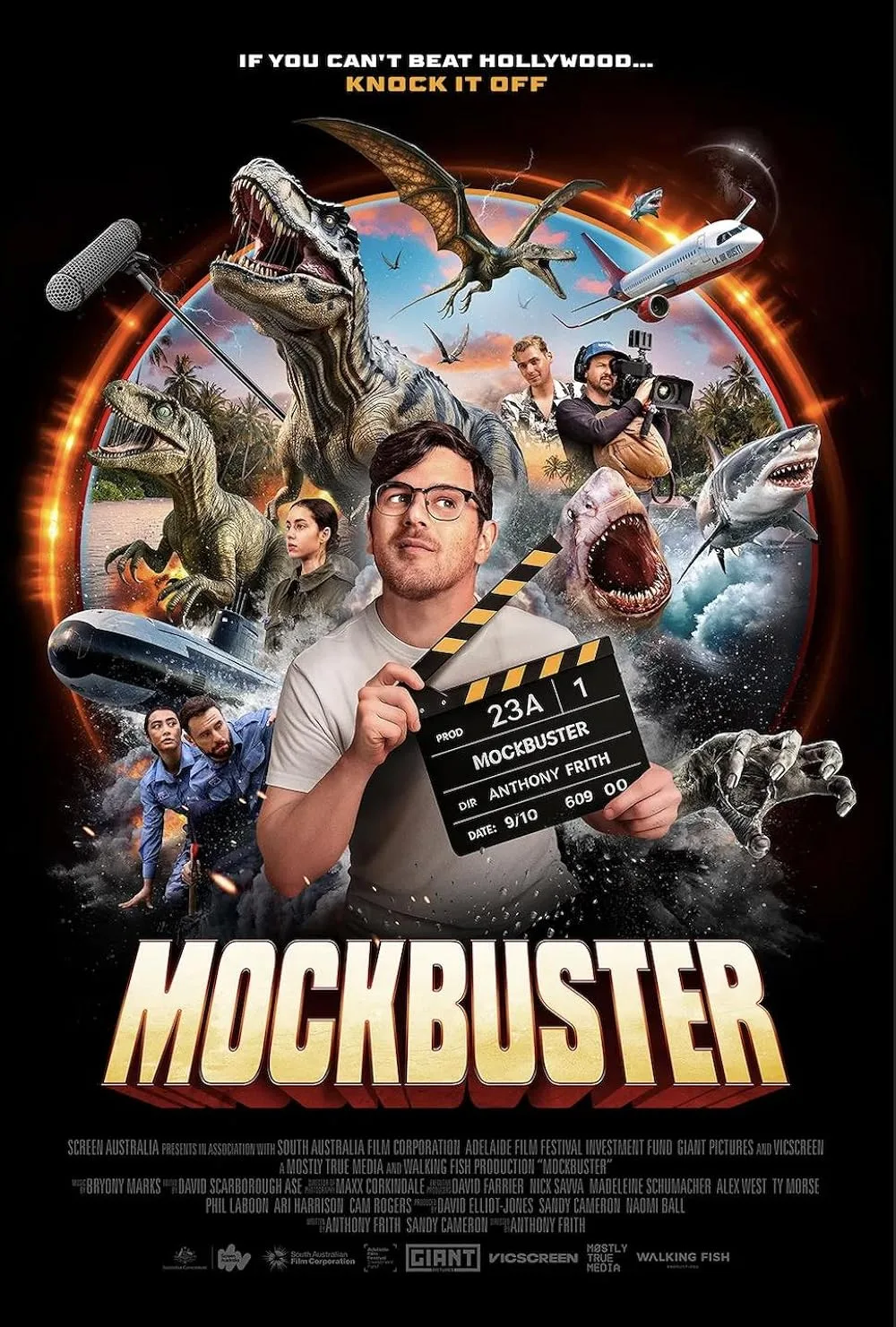
Anthony Frith’s “Mockbuster” pulls back the curtain on the low-budget film factory that is The Asylum, a company with a very simple formula: make movies cheaply enough that it’s almost impossible for them to lose money (which their executives claim they never have). They have built an industry around movies one might argue are purposefully bad, leaning into a long legacy of midnight flicks and straight-to-video cheapies. One of their business models is to make films called “mockbusters,” movies that almost work as parodies of familiar hits with names like “Top Gunner” and “Tomb Invader.” Their biggest hit to date is the basic-cable phenomenon that was “Sharknado,” a movie shot in 10 days. “Mockbuster” charts the arc of Frith, an Australian filmmaker stuck in the rut of making corporate safety videos who gets his first gig with Asylum, and how it nearly destroys him.
There are a lot of smart lessons to take away from the charming and playful “Mockbuster,” but the main one is this: It’s not easy to make any movie, even a bad one. There’s a perception that this kind of cheapo knock-off is easy, but there’s nothing simple about a 6-day shoot, one in which over 20 pages of screenplay are often expected in a single day. It will make you hesitate to call any film lazy. There are a lot of bad movies, but even the worst took a lot of effort from people committed to the assignment.
Another funny lesson? It turns out that really all you have to do to make an Asylum movie is ask. A fan of the Asylum brand, Frith emails the company to see if they’re interested in working with him and basically gets a yes right off the bat, even though there’s no screenplay. He gets a contract to make “The Land That Time Forgot,” a movie that Asylum is making for two reasons: it’s public-domain source material, and dinosaur movies print money. Working from a one-page synopsis, Frith returns to Australia to assemble a cast and crew, most of whom tell him it’s impossible. His first producer heads for the door; his cinematographer balks but eventually gives in to the chaos.
The best material in “Mockbuster” reveals how the six-day shoot and low budget don’t allow for any variables or personality clashes. On what looks like the first day, one of the stars butts heads with the D.P., but there’s no time for the fight or the reconciliation. When the Asylum powers that be demand costume approval in a very different time zone, it leads to a pause in shooting in a schedule that can’t handle pauses. Frith butts heads with First Assistant Director Stephanie Jaclyn as tensions rise. It’s not exactly “Hearts of Darkness” or “Burden of Dreams,” but it’s almost comforting to know that none of this is easy, and that even the cheapest productions lead to drama. Early in the film, Frith references the oft-quoted theory that if you turn what you love into a job, you’ll never work a day in your life: “Mockbuster” captures how even a dream job takes actual work.
Perhaps to match the Asylum dictum that no film should exceed 90 minutes, “Mockbuster” ends rather abruptly. After returning the footage to Hollywood, Frith is told that some of it will require reshoots, and that a contract means jamming Michael Paré into an entirely new subplot. (Paré is wonderful, as is Eric Roberts, a charmer who truly sees no difference between acting with Christopher Nolan and doing an Asylum production.) The FX guy shows Frith how some of the shots just don’t work—for example, how can the raptors come from the same side of the screen that the actors just ran off to safety—but how “The Land That Time Forgot” got from Australia to Pare to its premiere gets a little muddy. It feels like a scene or two of trying to edit the film might have helped, although it’s not hard to believe they just used every scene they shot.
“Mockbuster” ends with the premiere of “The Land That Time Forgot,” and there’s great joy in seeing the cast and crew loving every minute of their B-movie fame. It’s the payoff for the pain, the main reason most people get into this brutal industry: To see something they made up come to life. Even if it’s a shitty movie for people with bad taste.