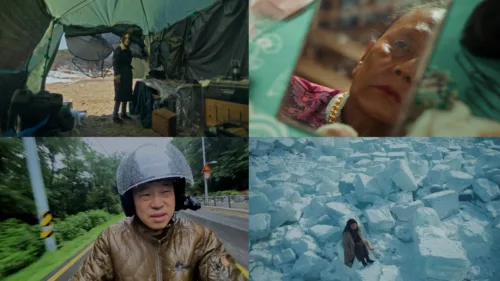
Three of the most ambitious films of Sundance 2026 traveled thousands of miles to get to Park City, a reminder that this very-American festival also takes the time to highlight dramas from Japan, Hong Kong, and even Lithuania, too.
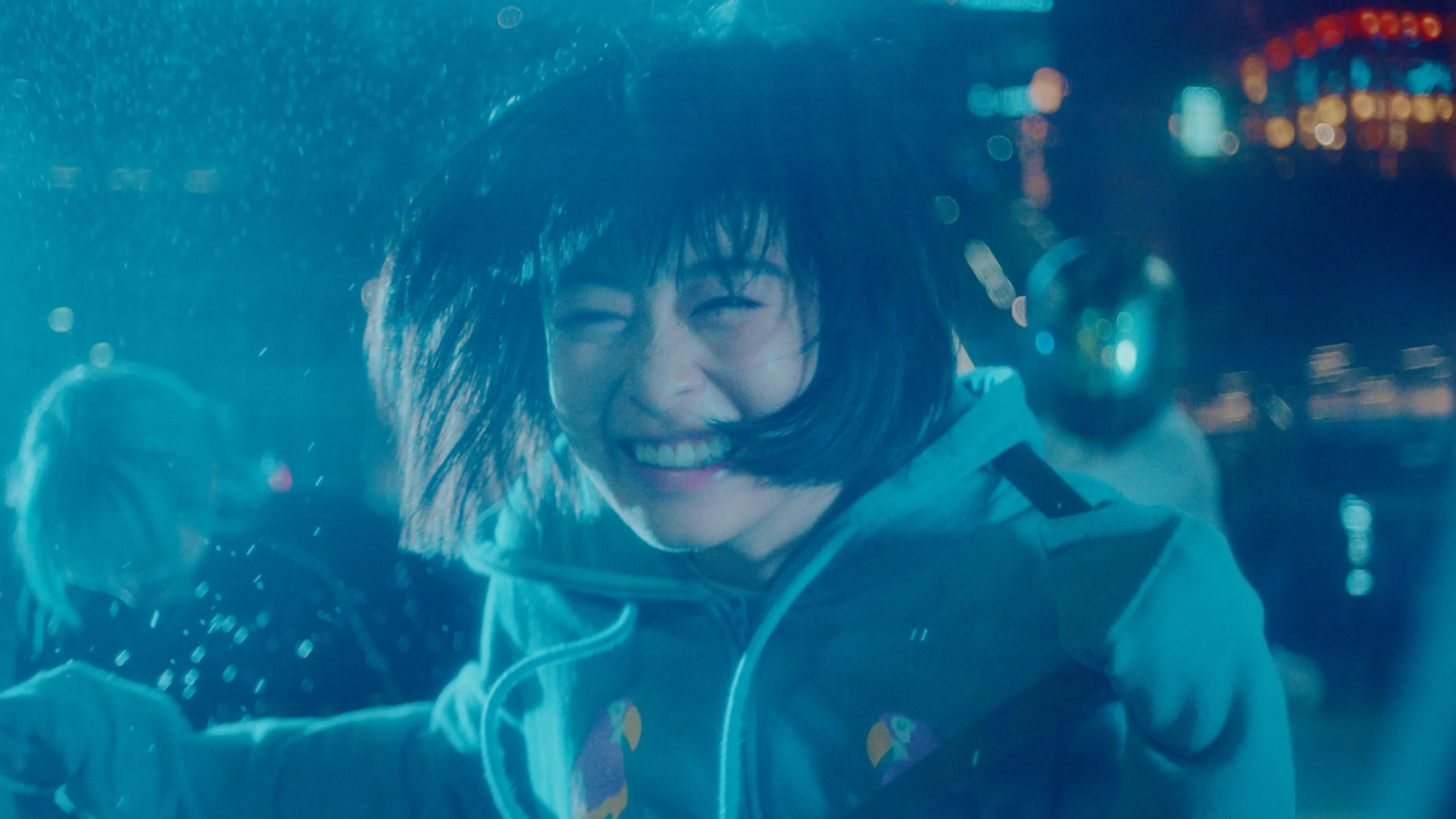
The Tōyoko kids are the young, marginalized people who gather in a specific region of Tokyo, usually around the Shinjuku Toho building. They are often not just unhoused but victims of abuse, and some work in the sex industry on the streets of Japan. Makoto Nagahisa (“We Are Little Zombies”) uses the truth of the Tōyoko kids to tell a fictional story, delivering a film that alternates between “Kids”-esque naturalism and highly stylized filmmaking. There are scenes in “BURN” that feel like surveillance, shots of the square in which these kids live that play more like documentary, scenes in which it seems likely that the people in the background were just going about their days with no idea they were in a Sundance film. Those are balanced by visuals that could come out of a music video with swirling cameras and fake flames. The result is an ambitious, riveting piece of work that loses some of its initial momentum but never enough to completely extinguish its fire.
Nana Mori plays Ju-Ju, a young woman who flees abuse at home into the arms of the Tōyoko kids. Early scenes in which Ju-Ju in introduced to the makeshift family around her pulse with an energy unlike anything else that played in Park City this year. Nagahisa thrusts us into this world, leaving our head spinning as much as Ju-Ju’s. That the film naturally loses a bit of this initial intensity when it settles into a plot involving Ju-Ju trying to earn enough money to escape via sex work is understandable, but Nagahisa remains committed to his vision.
It’s an admittedly easy to see where “BURN” is going—they don’t make many films like this in which a character like Ju-Ju’s plans all go as she hopes they will—but Nagahisa maintains a strong visual language, and a commitment to refusing to turn Ju-Ju into a device. Mori is very good at balancing this child’s innocence with a world that commodifies it—she’s told by her mentor in the sex trade to tell her johns that she’s a virgin to raise the price and interest, for example. These kids have the wonder and exuberance of young people, but it’s not only shaded with trauma but forced down by a very adult world of people who consider them disposable. While it contains some harsh, bleak truths, there’s an empathy for these kids that’s palpable, and it’s the sense that Nagahisa cares about Ju-Ju that makes it work. We all need to care more about the children discarded and abused by society.
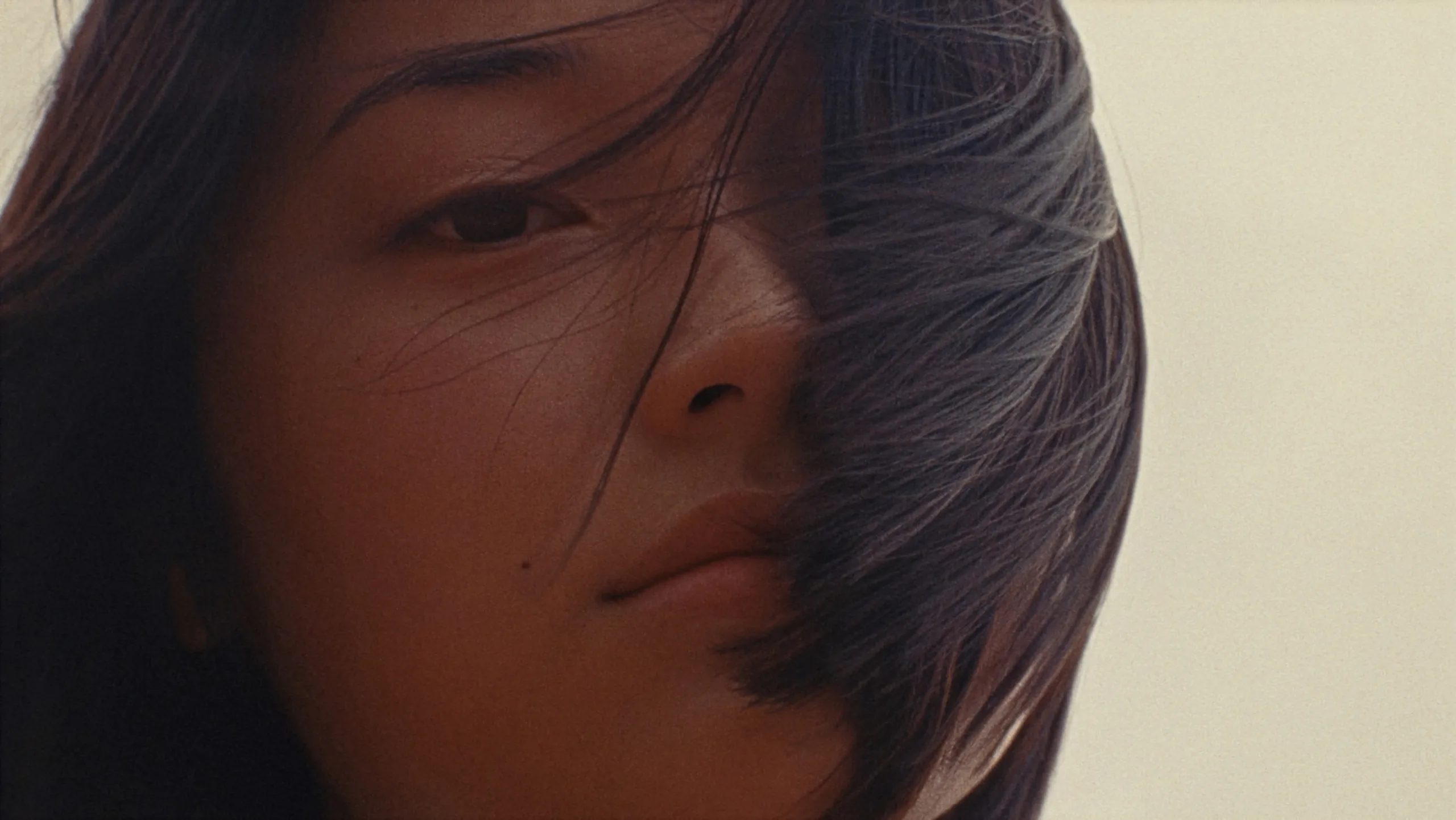
Kogonada, the visionary director of the incredible “Columbus” and “After Yang,” returned to Sundance mere months after his first disaster, the critically reviled “A Big Bold Beautiful Journey.” His “zi” feels like an act of cleansing, a way to exorcise the demons of a failed Hollywood project with an intimate, low-budget walk-and-talk through the streets of Hong Kong. Inspired by the films of Wong Kar-wai and Bi Gan, “zi” wears its modest aspirations on its sleeve, but it’s so slight and shapeless that it slips through your fingers every time you try to get a grip. As one of the biggest fans of kogonada’s early works, I desperately wanted to wrap my arms around “zi” but there’s just not enough to hold onto, resulting a film that’s an admirable experiment but a misfire, nonetheless.
Kogonada reportedly took his stars and cinematographer on the streets of Hong Kong without a shooting script, making the entire film in under three weeks. Michelle Mao plays Zi, a musician who may have a brain tumor. She starts to see visions of herself in Hong Kong, chasing one down a street and up a staircase, where she meets another young woman named only L, played by Haley Lu Richardson, reuniting with her “Columbus” director and playing a sort of empathetic mentor to Zi on this long night. They join up with a third, a man named Min (Jin Ha) who was once partners with L and has been tracking Zi that might know something about her condition. It’s all very vague. Purposefully so.
One can tell that too much of this is being made up as it goes along, especially as “zi” spirals into dreamy, maybe even sci-fi territory regarding its protagonist’s potential neurological condition. Alternating between reality and possibly even a dream or memory, “zi” is purposefully vague in a way that will be either captivating or infuriating for viewers. While it’s admirable how far away from a traditional Hollywood crowd-pleaser that kogonada has run with this film, it’s an example of that fine line between intriguing and just obtuse.
Ultimately, “zi” feels like a necessary step for kogonada, a transition from Hollywood back to the filmmaking that moves him. Much like Zi herself, kogonada has seemed stuck between realities, interested in big budget ventures and DIY stuff like this in equal measure. I suspect he’ll strike the right balance between the two next time.
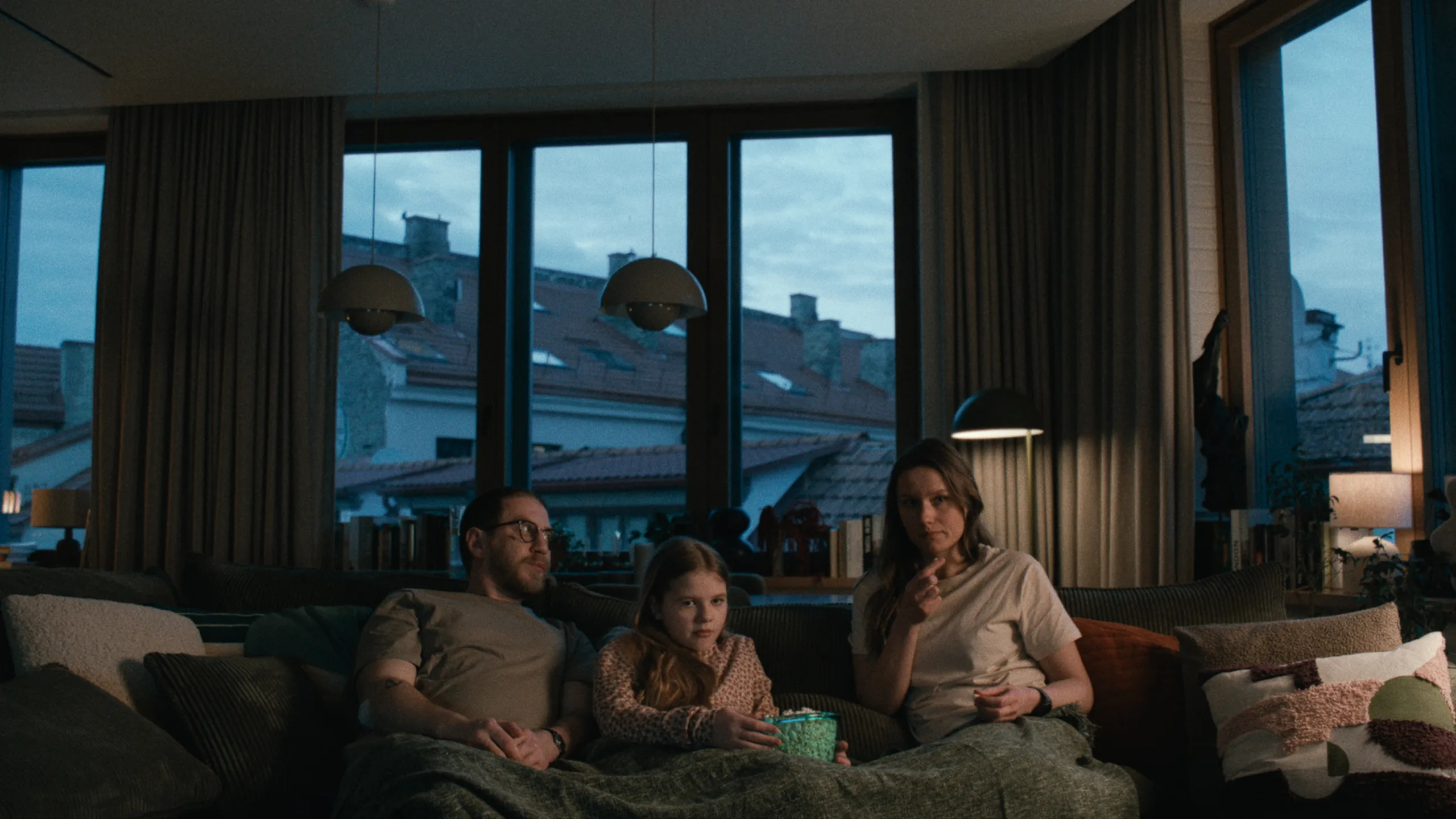
Finally, there’s the nuanced “How to Divorce During the War,” one of the better films that I saw in the World Dramatic Competition program this year. The first 20 minutes of Andrius Blaževičius’ domestic drama strike a perfect tone, especially a long shot seen through a car windshield as we witness one of the final battles between married couple Marija and Vytas. Parents to an only child named Dovile, their married days are over, but they decide to dissolve their partnership just as Russia invades Ukraine. In the nearby country of Lithuania, one that worries that Putin’s overreach could arrive at their doorstep, Marija (Žygimantė Elena Jakštaitė) and Vytas (Marius Repšys) are forced to balance the everyday details of divorce with widespread, nearly existential dread. In other words, this is a film about so many of our lives in the 2020s, times in which history seems to be made every day, and yet there are also bills to pay and kids to feed. It’s a smart movie about how micro and macro upheavals co-exist, and how the choices we make that we expect will “fix” us can only do so much in a broken world.
“How to Divorce During the War” doesn’t traffic in melodrama. It’s a subdued character study about how we navigate the personal and the political at the same time. There are echoes of the familiar divorce drama in how Vytas takes out his failed artistic ambition on those around him and how Marija rebounds into a relationship doomed to fail, but there are also things specific to the “during the war” part of this conflict. Marija quits her job over the fact that they won’t close their Russian branch and ultimately takes in a family of Ukrainian refugees who drive her crazy. She fled one person she considered a man-child, and now her charity has produced even messier ones around her house. For his part, Vytas goes to protests and speaks out against the war, but he too has to return to the mundanity of the divorce process while everything collapses two countries away.
“How to Divorce During the War” is smart, dryly humorous, and perfectly shot. There are passages that feel arguably a bit too slow and self-aware of their droll storytelling, but this still feels like nothing else at Sundance, a reminder that the confusion you feel about balancing your everyday life with your fear of the future is universal.