Documentaries are always a hot commodity at the Sundance film festival, and this year in the premieres category, I was able to catch three of them. Each film in this dispatch is marked by the idea of accomplishment and legacy. They endeavor to inspire, surveying feats of career, sport, social change, and life itself. And while two of these films painted gripping portraits, one completely missed the mark.
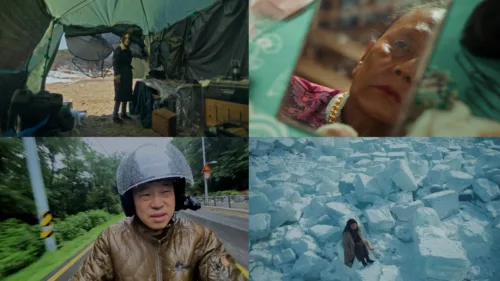
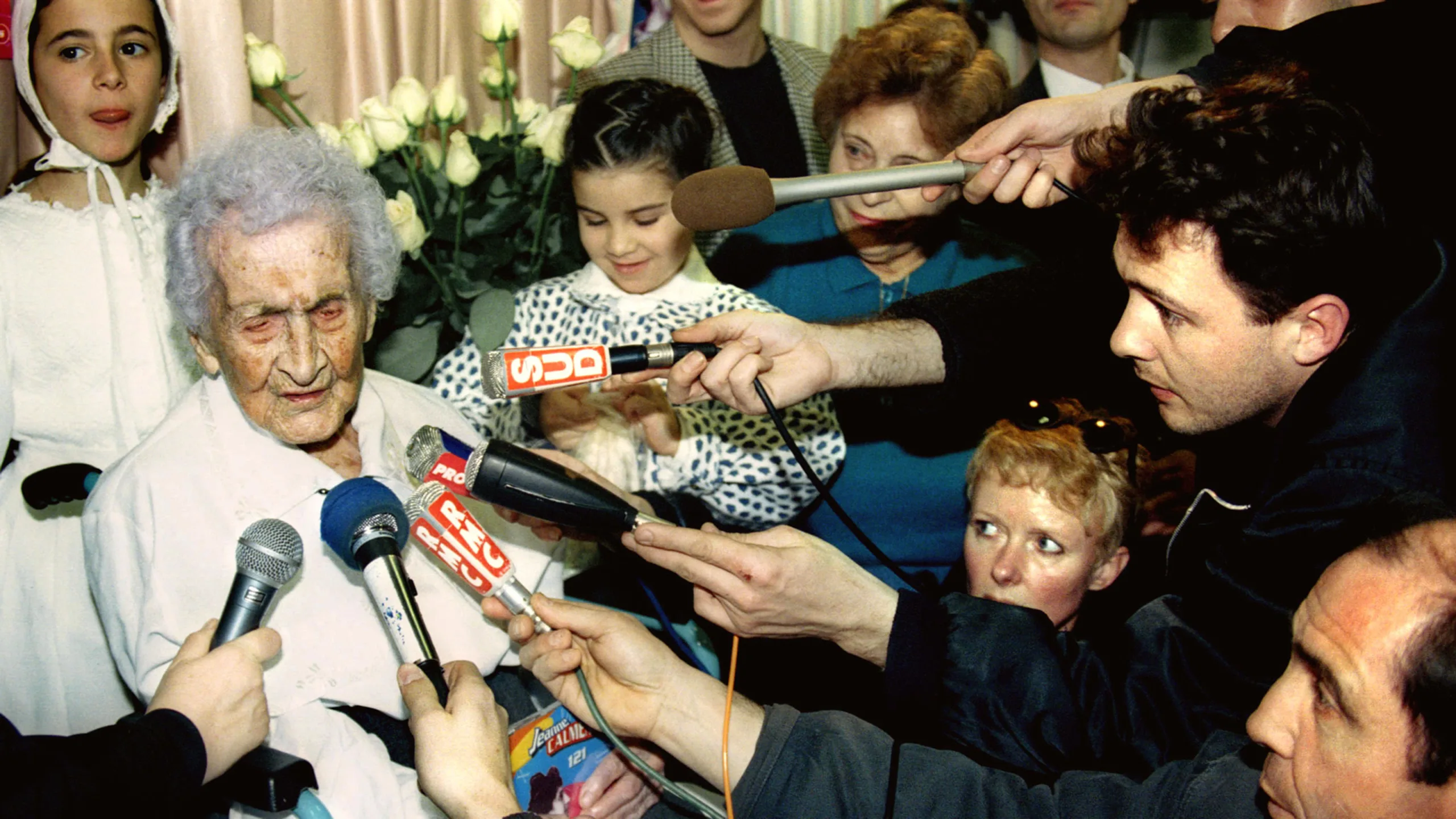
Sam Green’s “The Oldest Person in the World” isn’t much more than its title posits it to be. A lifelong fan of the Guiness Book of World Records, proof of the improbable has always been a fascination of his. Since July of 2015, he set his sights (and lens) on those who challenge the expectations of mortality: not simply centenarians, but those who’ve surpassed that title, sometimes by nearly two decades.
Crossing North America, Asia, and Europe to meet the record holders (all women), Green is mostly fulfilling his curiosity. The documentary bears witness to age more than it winds any thoughtful web about life itself. The failure to engage may be, in part, to the lucidity of the women (which varies), and the simplicity of his interviews with them. Green relies on the viewer being impressed by the age of its subjects more than he endeavors to prompt meaningful questions about their lives, histories, and cultures (and how they have all evolved over time).
Integrating his cancer diagnosis, his brother’s suicide, and the birth of his son into the film, Green is cyclically reminding us why he cares about the topic, but these elements are disjointed. While they do maintain the thematic throughline of mortality and its evolving perspectives, it does so haphazardly and is often bogged down by cliche.
“The Oldest Person in the World” desperately wishes for existential depth, but Green’s sentimentality and cloying, soft spoken narration are pleading and off-putting. In addition to the tonal begging, it’s hard to feel like there aren’t a host of missed opportunities nagging at the film. Speaking with the world’s oldest citizens and neglecting to take advantage of cross-cultural perspectives on life, history, and spirit is simply put, a tremendous oversight.
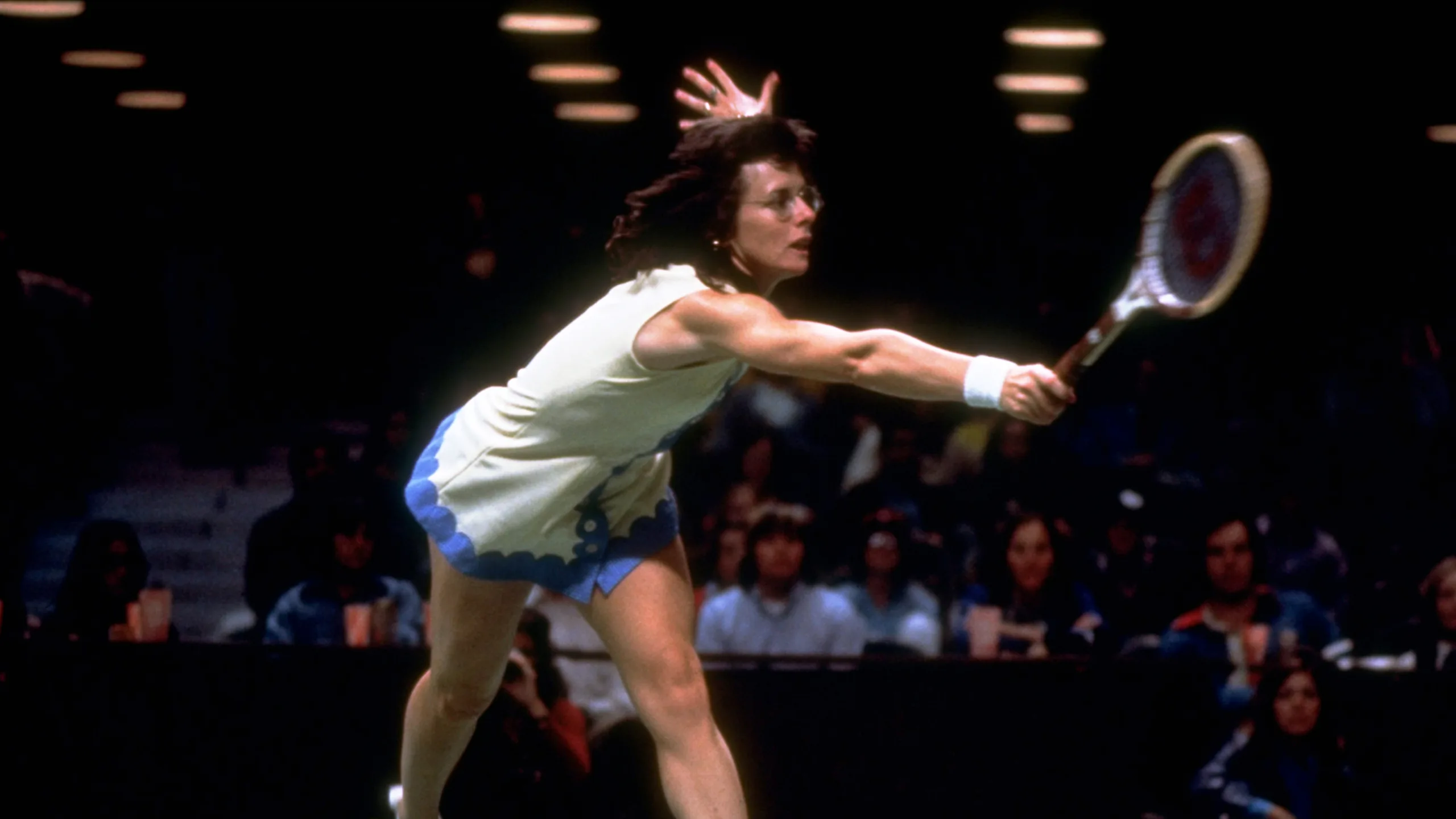
Conversely, Liz Garbus and Elizabeth Wolff’s wonderful documentary, “Give Me the Ball!” is a splendid history of the life and legacy of tennis great Billie Jean King. Taking us from her early childhood years, romping around playing any sport involving a ball (giving the film its name) to present day, where King is set to finish her history degree in May (at the age of 82), it’s hard to imagine that the documentary left any stone unturned.
And yet with its ultra-comprehensive ambitions, “Give Me the Ball!” never feels bloated. Formatted by a hero interview with King herself, the film feels like an intimate conversation with its charismatic subject. Donning magenta large-frame eyeglasses and a bright teal sweatsuit, King leaps off the screen with a vibrance that is rivaled by her cheeky, glowing personality. “Give Me the Ball!” borrows King’s spunk in its own kinetic structure, with energetic cuts between lively archival footage, inspiring photographs of its subject, and head-banging needle drops, like Bikini Kill’s “Rebel Girl.”
With the famous battle of the sexes match against chauvinist Bobby Riggs (itself already cinematically explored) as the centerpiece of the doc, the film fills in the gaps as to the social standards surrounding women and athletics that King upended. It certainly celebrates her numerous wins on the court, but perhaps most importantly, showcases her cultural accomplishments as a trailblazer for women’s rights in sports. Rallying against the classist, misogynist, and racist consequences of a sport run by rich white men, King forged a path not simply for herself, but for any woman who was denied access.
Yet her out and proud disposition as a figure in sports contrasted with private dilemmas, including an eating disorder and struggle with her sexuality. Conflict and competition defined her life for decades, for better and worse, and “Give Me The Ball!” showcases this spectrum while enforcing the power with which King operated in spite of it. She worked herself to the bone personally and professionally, and while there were times she came close to breaking, her primal competitive spirit buoyed her from sinking into the depths.
Watching King on the court is invigorating. Her “masculine” playing style was up close and personal, not to mention powerful. She approached her activism in the same way, by assembling other female players, putting herself in front of the media, and refusing to back down to opposition. King’s pursuits, the effect of which form the foundation of women’s sports today, were never about personal gain, but a step forward for the collective. And with a dedicated vigor only fitting to match its subject, “Give Me The Ball!” surveys more history and impact than I can outline with any semblance of brevity, and does so with an ecstatic, enduring thrill.
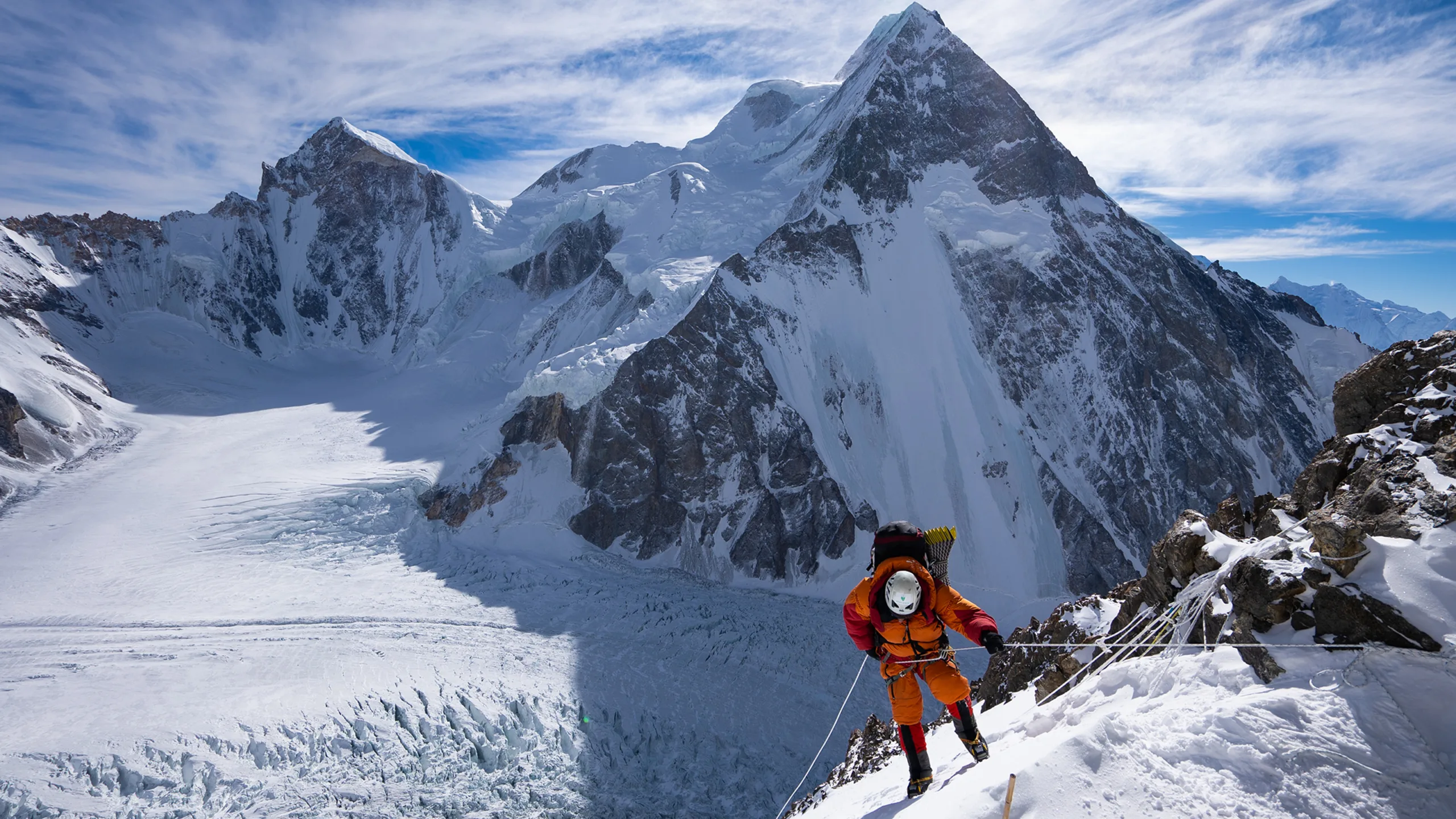
Where King’s legacy is defined by a spread-the-wealth philosophy, those examined in Amir Bar-Lev’s “The Last First: Winter K2” were on the quest for a legacy inseparable from singularity. There are only 14 mountains in the world that exceed 8,000m in height. In 2021, all but one of those peaks had been summited in the winter. Pakistan’s K2 (aka “Savage Mountain”), the second highest mountain in the world, remained as the film’s titular “last first,” the only record left to claim.
Icelandic mountaineer John Snorri set his sight on the goal. Gathering a small team, including Pakistani father-son climbing duo Ali and Sajid Sadpara, he ventured to the mountain for what was going to be a months-long endeavor. For a while, they were the only ones there, until Nepalese climber and famed record-breaker Nims Purja arrived to do the same. Nepalese climbers, despite their extraordinary strength, ability, and endurance, have historically been relegated to the role of sherpas: guides and porters who are instrumental to the summits of the Himalayas, yet are nameless to the Westerners who hold the official records. Nims wanted to change that for the last first with his team of Nepalese climbers.
However, “The Last First: Winter K2” then becomes a harrowing blend of “Free Solo” and the Titan submersible disaster, as a commercial company known as Seven Summits, puts together their own winter K2 expedition. Fueled by the financial stress of COVID-19, after Pakistan reopened the country, Seven Summits saw an opportunity for survival, and signed on a mix of travel enthusiasts, experienced climbers, and complete novices to take on the task. All of sudden, wanting to secure their own footprint, five dozen people, many unequipped, were headed to the summit. And so, it becomes a competition, gamifying in real time a feat where rushing in the difference between life and death.
Bar-Lev’s documentary is riveting. The landscape of K2 is awe-inspiring: beautiful, but also treacherous and unforgiving. It is not only altitude the climbers must tackle, but thin air, biting cold, avalanches, 150 mph winds, small windows of climbable time, and their own endurance to take it all on. Images of spikes from mountaineering boots just barely piercing stretches of ice they must ascend, in addition to head-sized rocks flying down the wall at fatal speeds are just a few among many horrifying shots that color the portrait of this quest. And like all films which portray extreme feats of sport, the question is: who on Earth would put themselves in this position?
“The Last First: Winter K2” examines this inquiry whilst pulling apart the ethical tenets of extreme climbing via the rise of social media (Snorri describes summiting another mountain and feeling nothing until posting it on Facebook), commercialization, and the intersection of cultural subjugation and nationalistic pride. Bar-Lev’s phobic framework and thorough combination of talking heads testimony and archival footage sourced from the various climbers, is shockingly grounding for something so sky high. Not only an adventure tale, it also surveys pride and tragedy and questions the role of accountability, constructing a film as damning as it is exhilarating.