As the world was mourning the antisemitic murders on the first night of Hannukkah in Australia and America’s all-too-common gun violence, this time at Brown University, further news of shocking violence emerged out of Hollywood that seemed almost impossible. Two bodies had been found at Rob Reiner’s home in Los Angeles, and the ages matched those of the famous director and his wife, Michele Singer. As stories continued to circulate online about what actually happened, people started sharing clips and lines from Reiner films. The art did what it could to overcome the tragedy.
Not just art, history. Movies aren’t the same today without the run of films directed by Rob Reiner in the ‘80s and ‘90s. “He made me love movies”; “He made me want to be a film critic”; “He made me want to be an actor and a director”. These sentiments were everywhere on Sunday night, reminding us of a career that had even more impact than Reiner probably ever knew.
“I’ll have what she’s having.”
“It goes to 11.”
“You guys wanna see a dead body?”
“You can’t handle the truth!”
Was there anyone who made more quotable films than Rob Reiner in the ‘80s and ‘90s? Films like “This is Spinal Tap,” “When Harry Met Sally,” and “The Princess Bride” shifted pop culture in a way that it feels isn’t really possible anymore. They became community obsessions, especially in the era of VHS, when people would rent “The Princess Bride” or “Spinal Tap” over and over again. (Trust me, as a video store manager in the era, Reiner films were always out.)
He had an incredible ability to tap into what millions of people wanted in drama or comedy, never feeling like his movies were merely following a trend, but rather satisfying needs we didn’t even know we had. Whether he was puncturing the egos of rock stars, commenting on failed leadership in “A Few Good Men,” or teaching us about love in “The Princess Bride,” he made movies that it truly felt like everybody liked. As it feels like popular films get more divisive with each generation, looking at Rob Reiner’s filmography evokes nostalgia for a time when moviegoing felt more like being part of a community. A community that is hurting today.
Of course, Rob Reiner was the son of one of the funniest men who ever lived, so he had comedy in his blood. Born to Estelle and Carl Reiner in the Bronx in 1947, Reiner moved West and attended both Beverly Hills High School and UCLA Film School. Like so many of his era, he started his career writing and acting for TV. He had bit parts on so many legendary shows of the era, including “The Andy Griffith Show,” “The Beverly Hillbillies,” and “Batman,” and he wrote for the wildly influential “Smothers Brothers Comedy Hour” in the late ‘60s.
Reiner got his first big break when he was cast as Michael Stivic on “All in the Family.” Called “Meathead” by his conservative father-in-law, Archie, Stivic was often a mouthpiece for social and political issues of the ‘70s, and Reiner would remain politically active for decades. Frequently named on lists of the best shows of all time, “All in the Family” was the most-watched TV show in the country for five consecutive seasons. Like the movies he made in the ‘80s and ‘90s, it became part of the fabric of pop culture, a show that sparked conversation while making people fall over laughing.
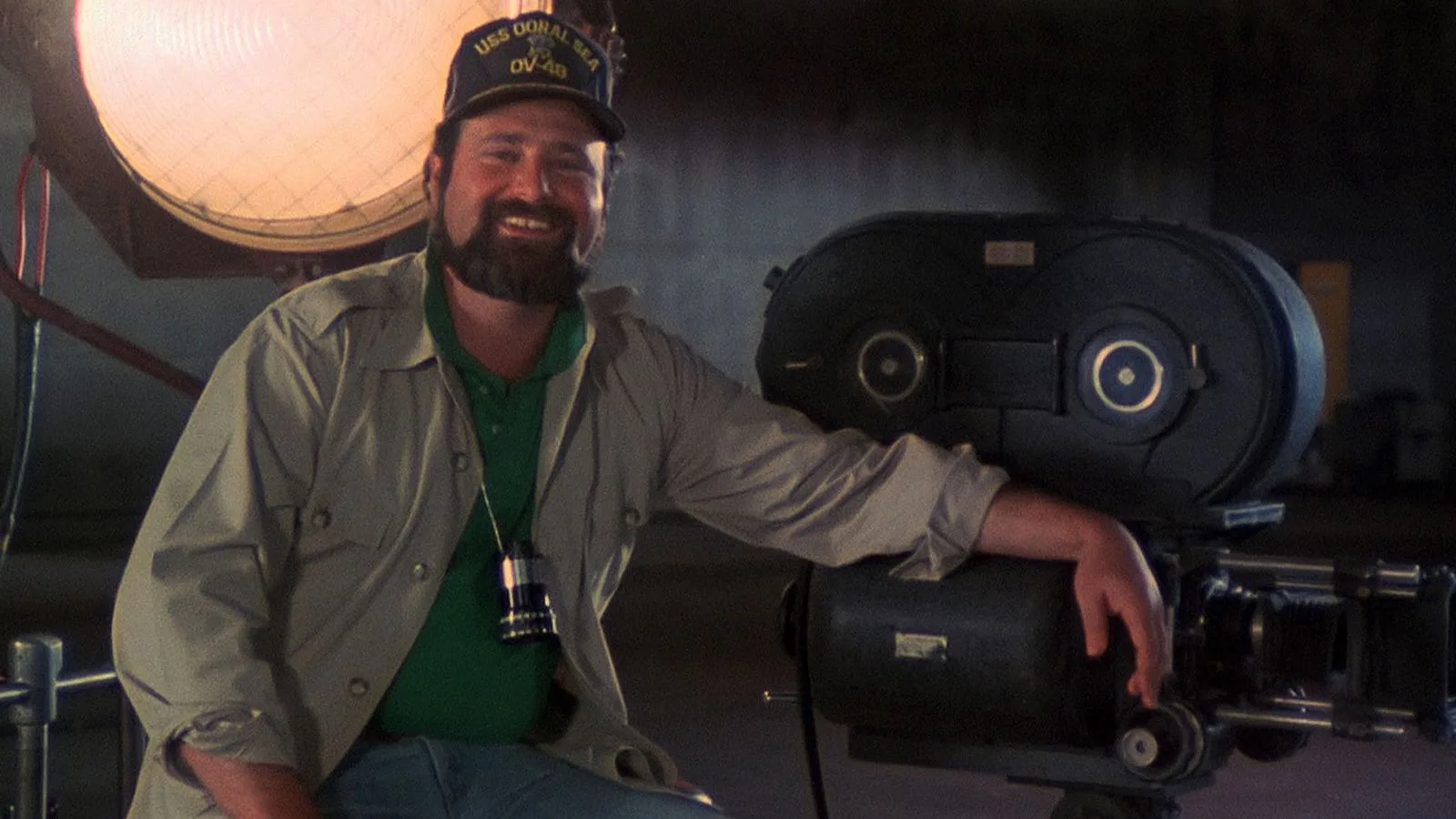
Reiner could easily have stayed in front of the camera and delivered fun performances again in projects like “New Girl” and “The Wolf of Wall Street,” but his fame came as a director, starting with one of the best debuts ever: “This is Spinal Tap.” A spoof of rock-docs like “The Song Remains the Same” and “The Last Waltz,” Reiner’s mockumentary wasn’t even that much of a hit when it came out, really finding its audience on VHS. So much has been written about “Spinal Tap” over the years, but Reiner’s performance as Marty Di Bergi still feels underrated. The band members get the big laughs, but Reiner is the perfect straight man for the improvised chaos around him.
After the successful follow-up “The Sure Thing,” Reiner’s following two projects were adaptations of famous writers of the era: Stephen King and William Goldman. When Reiner adapted King’s “The Body” into the hit “Stand by Me,” he proved himself a remarkable director of performers, especially young ones. The core players of “Stand by Me”—Wil Wheaton, River Phoenix, Corey Feldman, and Jerry O’Connell—are all simply fantastic, and that happens when a director knows how to make a young cast comfortable and confident enough to be their best. It’s one of those rare movies that’s even better than you remember.
The same can probably be said of “The Princess Bride,” which gets better every time you see it. Playful, funny, romantic, and so smart, “The Princess Bride” is the kind of old-fashioned entertainment that they definitely don’t make today and were barely making in the ‘80s. It was a fairy tale that felt somehow fresh and timeless because it’s about themes people have been writing about since the word was invented: love, vengeance, fate.
After that hit, Reiner proved brilliant at choosing collaborators. One could say that Nora Ephron, Kathy Bates, and Jack Nicholson made “When Harry Met Sally…,” “Misery,” and “A Few Good Men” into the smash hits they were, but that diminishes Reiner’s ability to bring the best out of people. He knew how to make material, and the performers delivering it, sing in ways that other filmmakers of the era simply did not. His movies always seemed light on their feet, lacking in corporate desperation. Again, he came from a family of consummate entertainers, and he knew how to entertain.
He also knew how to use his fame and power for good. He co-founded the American Foundation for Equal Rights and chaired a campaign for a California proposition that created First 5 California, a program for early childhood development. He was a vocal advocate for marriage equality, especially in California. He was so active in causes at both the state and national levels that he was even considered a candidate for Governor of California in the 2000s. He campaigned for Al Gore, Howard Dean, and Hillary Clinton, and he was unafraid to publicly challenge Donald Trump, even working on a project called “The Spy and the Asset” about the President’s relationship with Vladimir Putin. He spoke out against Trump as recently as September of this year.
A famous story goes that Carl Reiner gave his son the book The Princess Bride, and that father-son connection informed how Reiner focused the story into one about storytelling and passing down that kind of love. The structure of Peter Falk’s character telling his grandson a fable feels essential not just to this work but to Reiner’s entire career. He told stories that mattered to him. An anecdote circled online last night that Mandy Patinkin once asked Reiner what “The Princess Bride” was about and was told that it’s “about a grandfather telling his grandson that the most important thing in the world is love.”
We felt Rob Reiner’s love every time he told us a story.