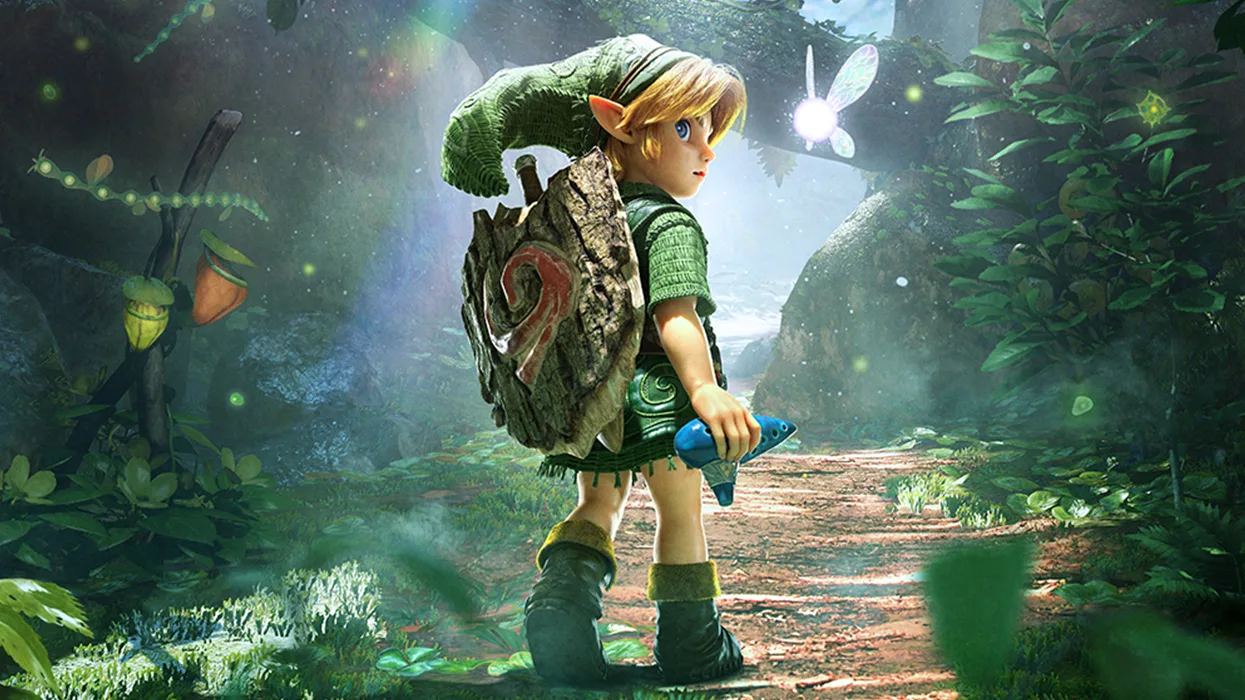
As I’m writing this, I realize I’m one of the rare official game critics who never played the original “The Legend of Zelda: Ocarina of Time.” My first “Zelda” game was actually “The Minish Cap” on the Game Boy Advance when I was a kid, and that was only because I briefly borrowed it from a friend in daycare.
While I don’t remember too much from that game, my most recent memories of the series are with the more free-flowing “Breath of the Wild” and “Tears of the Kingdom”. Going from those to the classic “Zelda” formula in this “Ocarina of Time” remake was a welcome transition that left me satisfied without being overwhelmed. Even without any nostalgic rose-colored glasses, “Ocarina of Time” on Nintendo Switch 2 is a beautiful adventure that feels retro, while also avoiding feeling dated.
The story in “Ocarina of Time” should be familiar to those who’ve played other “Zelda” games. As Link, you’re tasked with saving the world from the evil Ganondorf. The unique mechanic in this entry is that Link can travel between the past and the future, transforming between his child and adult self while venturing out in Hyrule. Certain actions like planting seeds in the past, grow into colorful platforms that assist Link in reaching new areas upon returning to the future. This mechanic makes for fun exploration when finding new secrets, such as hidden heart containers that increase Link’s maximum health.
While the exploration pales in comparison to “BOTW”and “TOTK” regarding sheer open-world vastness, their rewards come quicker. It’s easy to get inundated with huge areas and endless checklists, but “Ocarina of Time” keeps it simple. In the classic style dungeons, there’s often just one single solution to the puzzle, compared to the DIY approach in “BOTW” and ”TOTK.” But it’s equally as enjoyable.
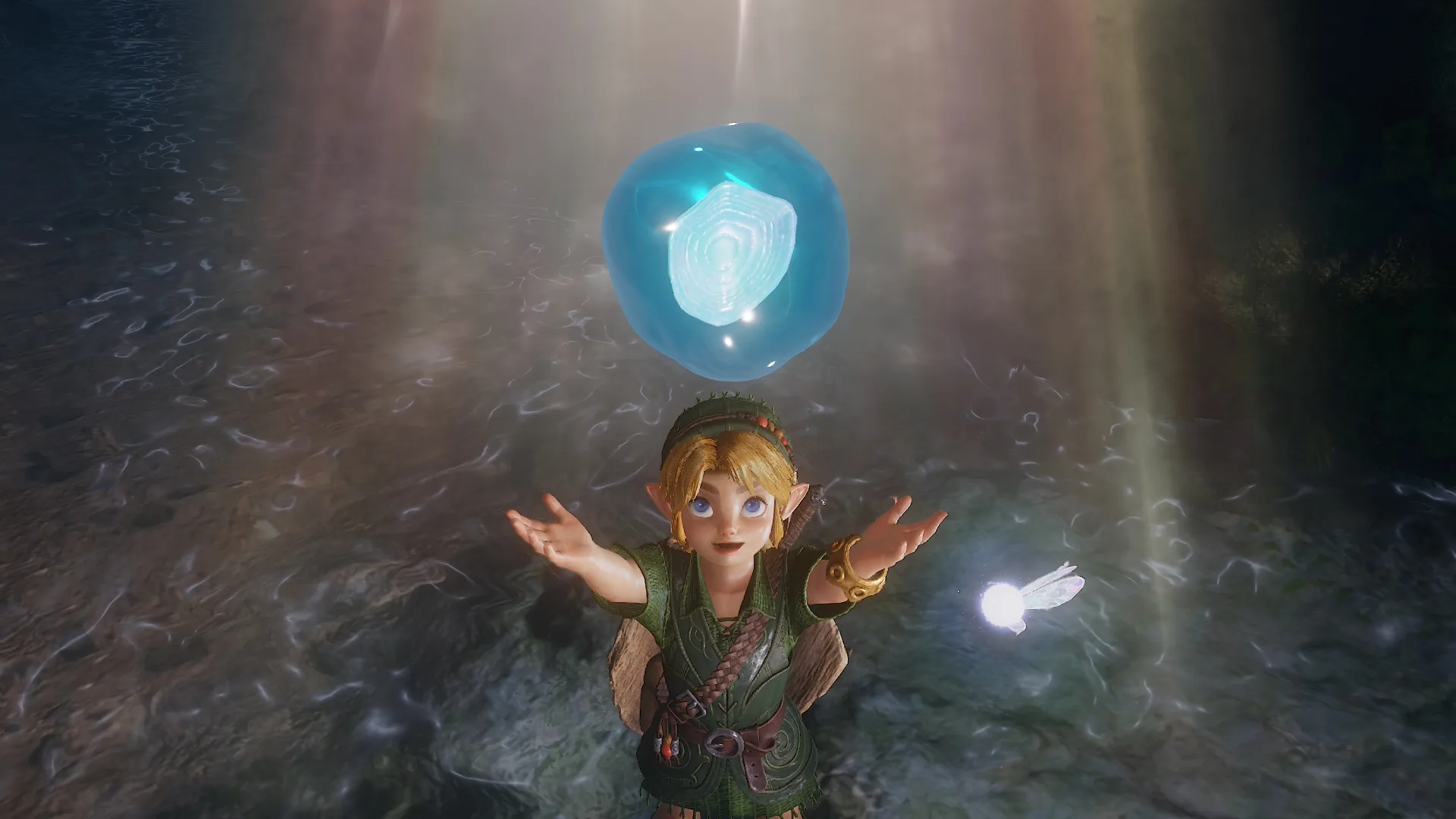
The combat feels sharp but eventually dulls its blade. Link has an arsenal of weapons, including swords, bombs, bows, and boomerangs. It’s an impressive armory, but rarely do his opponents match up to him in equal measure. The game is far too easy. Most of the time, you’re never fighting no more than 2-3 enemies at once, and bosses rarely pose a challenge once you get their attack patterns down. Part of the difficulty back in the 1998 original was dealing with navigating wonky 3D spaces. While I never played the original “Ocarina of Time,” I did play a few games on the Nintendo 64 console, and only having just that single stick on that controller was frustrating.
Video games have come a long way since then, and with the power of not one, but two control sticks this time around on my Switch 2 Pro controller, made maneuvering the camera much easier and the combat much more manageable. Additionally, animations have improved considerably, and thus the moment-to-moment gameplay is simply just more readable when it comes to anticipating enemy attacks.
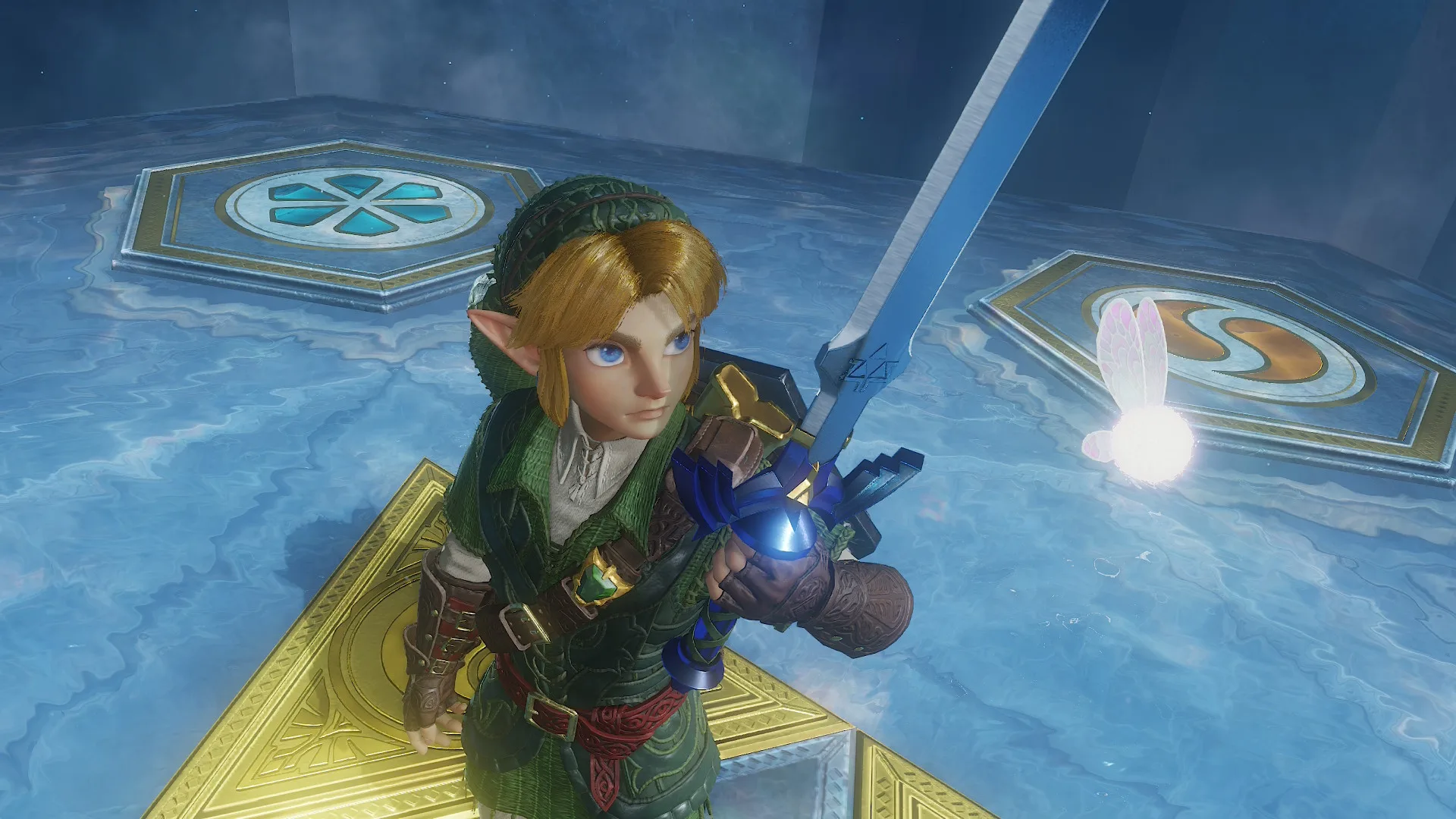
Other recent Zelda games on Switch such as “Echoes of Wisdom,” the “Link’s Awakening” remake, and the “Skyward Sword HD” port all have Hero Mode, which amps up the difficulty. It’s conspicuously missing in this “Ocarina of Time” remake and would’ve made for a more compelling experience.
However, “Ocarina of Time” looks absolutely gorgeous. The environments are quite varied between the volcanic Gorgan City and the aquatic Zora’s Domain, and the striking art direction makes every corner look lively. This game also runs at a smooth 60 fps, with essentially no lag or performance problems.
“The Legend of Zelda: Ocarina of Time” is a welcome change of pace for those who were introduced to the series through the open-world games. Its structure has just enough freedom for fulfilling exploration while also keeping you on a relatively streamlined adventure. Zelda veterans may argue that more could’ve been done with this remake while others are glad that their favorite childhood memories remain intact. But as someone who didn’t play the original, this remake is a comforting dish rather than an enormous buffet. [90/100]